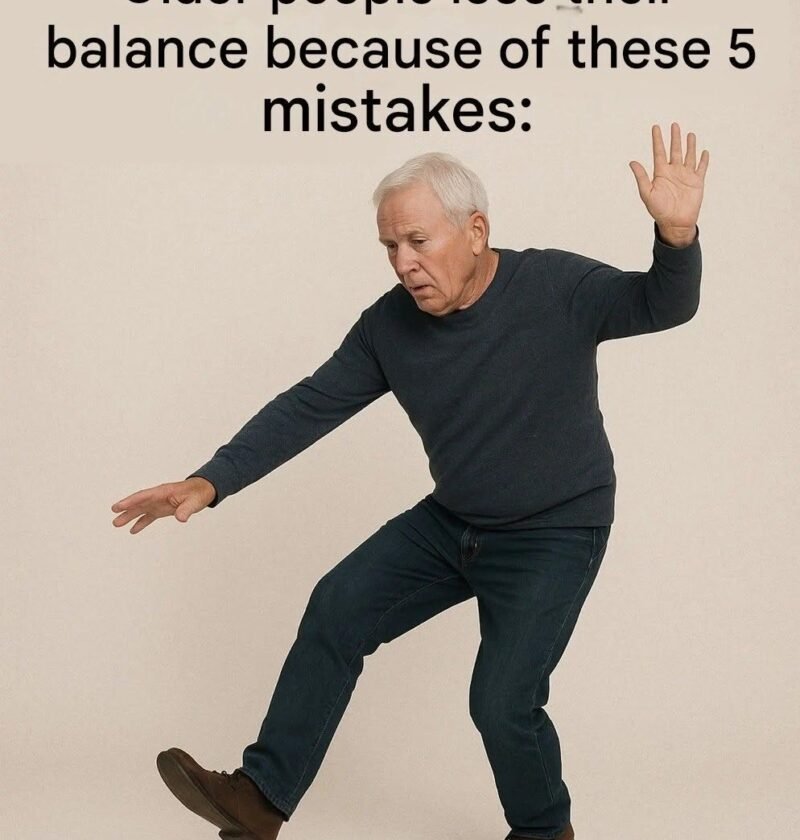
Balance naturally can change with age, but falls are not an inevitable part of getting older. Some common habits and overlooked problems can make balance worse.
5 common mistakes
- Ignoring vision changes
Poor vision can make obstacles, steps, and changes in flooring harder to detect. Regular eye examinations can help. - Wearing unsafe footwear
Loose slippers, worn-out soles, or shoes with poor traction can increase the risk of slipping. Supportive, well-fitting shoes are generally safer. - Standing up too quickly
A sudden drop in blood pressure after getting up—called orthostatic hypotension—can cause dizziness or instability. Sit briefly before standing and hold onto something stable if needed. - Not reviewing medications
Some blood-pressure medicines, sedatives, sleep medications, and other drugs can contribute to dizziness or drowsiness. Have medications reviewed by a clinician or pharmacist rather than stopping them yourself. - Avoiding strength and balance exercise
Becoming less active can reduce leg strength and balance, creating a cycle of increasing instability. Appropriate strength, walking, and balance exercises can help maintain mobility.
When to get checked
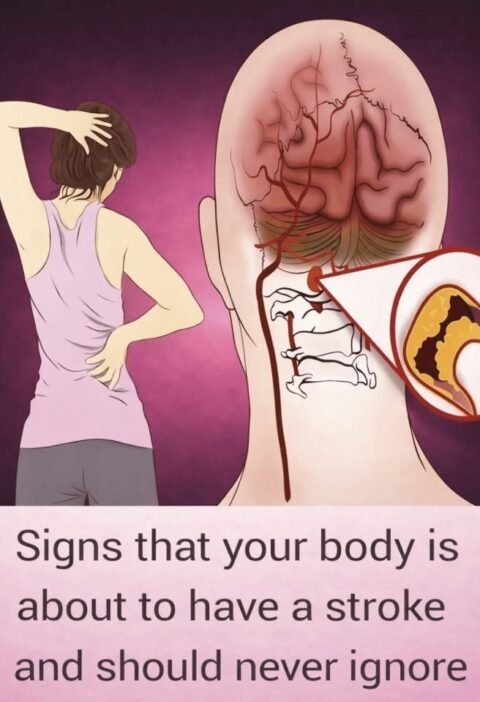
A new or worsening balance problem deserves medical attention, particularly if it comes with dizziness, fainting, weakness, numbness, vision changes, or difficulty speaking. Sudden loss of balance with neurological symptoms can be a sign of a stroke and requires emergency care.
If someone has already fallen, is falling repeatedly, or feels afraid to walk, a healthcare professional or physical therapist can assess the underlying causes and help create a fall-prevention plan.