The “High-Sugar Alert”: 12 Symptoms to Know
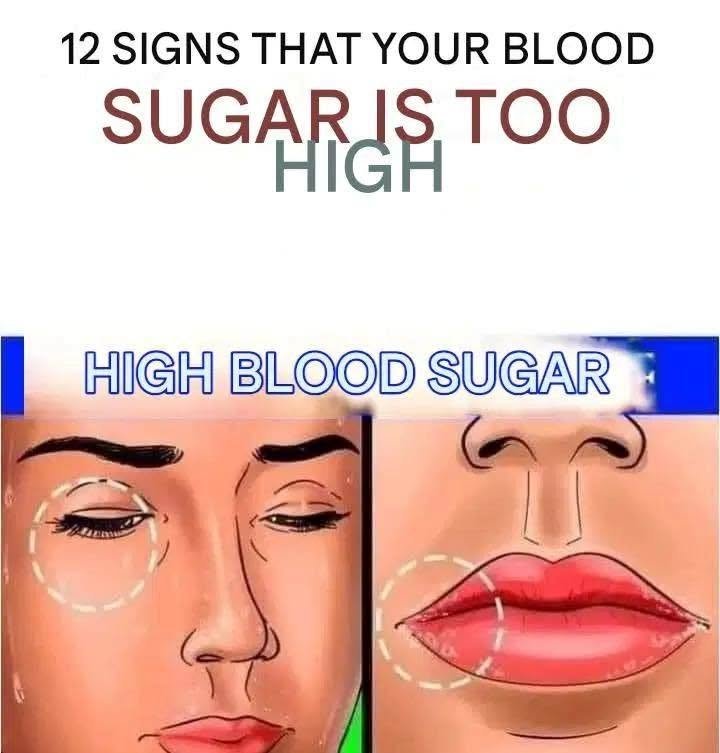
If by “high sugar” you mean high blood glucose (hyperglycemia), there are recognizable symptoms—but a headline claiming that your body reliably shows 12 warning signs can be misleading. Prediabetes and type 2 diabetes can cause few or no noticeable symptoms, so symptoms alone cannot tell you whether your blood sugar is high. CDC+1
Possible signs of high blood sugar
- Increased thirst
- Dry mouth
- Frequent urination, including getting up repeatedly at night
- Increased hunger
- Unusual tiredness or weakness
- Blurred vision
- Unexplained weight loss
- Slow-healing cuts or sores
- Frequent urinary-tract infections
- Frequent yeast infections
- Tingling or numbness in the hands or feet
- Headaches or generally feeling unwell
Several of these are recognized symptoms of diabetes, although they can have many other causes. CDC+2
The important part: don’t diagnose yourself from symptoms
The only way to determine whether you have prediabetes or diabetes is with blood testing. Common tests include fasting blood glucose and HbA1c, which reflects average blood glucose over roughly the previous few months. NIDDK
If you’re experiencing several of these symptoms—particularly excessive thirst, frequent urination, unexplained weight loss, or persistent fatigue—it’s sensible to arrange a blood-sugar test rather than trying a “sugar detox.”
🚨 When it’s urgent
Very high blood glucose can lead to diabetic ketoacidosis (DKA), a medical emergency. Warning symptoms can include vomiting, abdominal pain, extreme tiredness, difficulty breathing, fruity-smelling breath, dehydration, confusion, or fainting. NIDDK+1
Bottom line: These symptoms can be clues, but many people with high blood sugar have no symptoms at all. A blood test is much more reliable than a viral list of “12 signs.”
Sources