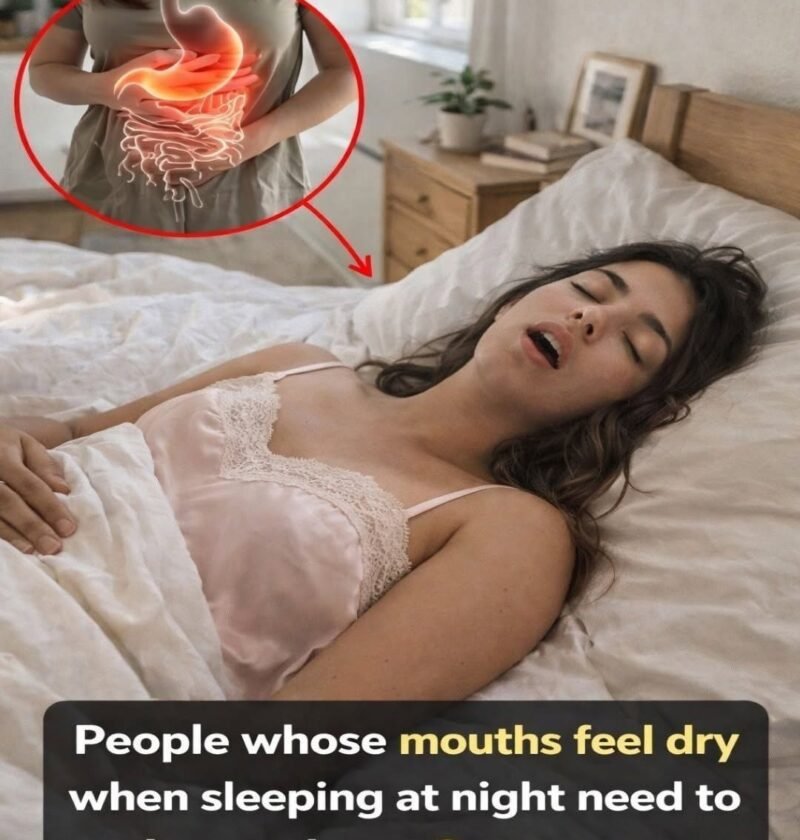
Waking up with a dry mouth every single night can be uncomfortable, disrupt your sleep, and even affect your dental health. Also known as xerostomia, nighttime dry mouth usually happens because saliva production slows down significantly while you sleep.
Here are the most common culprits behind that parched feeling and practical steps you can take to wake up feeling refreshed.
Common Causes of Nighttime Dry Mouth
-
Mouth Breathing: If your nasal passages are blocked due to allergies, a deviated septum, a cold, or sleep apnea, you are likely breathing through your mouth all night, which quickly dries out your saliva.
-
Dehydration: Not drinking enough fluids throughout the day or eating a very salty/heavy meal close to bedtime can leave your mouth dry by morning.
-
Medications: Hundreds of common prescription and over-the-counter medications—including antihistamines, decongestants, high blood pressure medications, and antidepressants—list dry mouth as a side effect.
-
Environmental Factors: Sleeping in a room with very dry air (especially with a heater or air conditioner running) can sap moisture from your mouth and throat.
-
Lifestyle Habits: Consuming alcohol, caffeine, or using tobacco close to bedtime can significantly reduce saliva flow.
What Helps: Simple Remedies to Try Tonight
-
Hydrate Smartly
-
Keep a glass of water on your nightstand so you can take small sips if you wake up dry.
-
Focus on staying consistently hydrated throughout the day, but try to taper off large amounts right before bed to avoid waking up for bathroom trips.
-
-
Run a Humidifier
-
Place a cool-mist humidifier in your bedroom. Adding moisture back into the air prevents your airways and mouth from drying out while you sleep.
-
-
Practice Nasal Breathing
-
If congestion is forcing you to breathe through your mouth, try using saline nasal sprays, a nasal dilator, or allergy medication before bed to keep your nasal passages clear.
-
-
Adjust Your Evening Routine
-
Avoid alcohol, caffeine, and salty or spicy foods for a few hours before bedtime.
-
Switch to an alcohol-free mouthwash specifically formulated for dry mouth (many standard mouthwashes contain alcohol, which can dry your tissues further).
-
-
Protect Your Dental Health
-
Because saliva protects your teeth from decay, a chronically dry mouth increases your cavity risk. Make sure to brush twice a day with fluoride toothpaste and floss regularly.
-
When to See a Doctor: If these simple adjustments don’t help, or if your dry mouth is accompanied by chronic snoring, daytime fatigue, difficulty swallowing, or a burning sensation, it is a good idea to speak with your doctor or dentist. They can check for underlying conditions like sleep apnea or review your medications.
Have you noticed any other symptoms alongside the dry mouth, like nasal congestion or snoring?