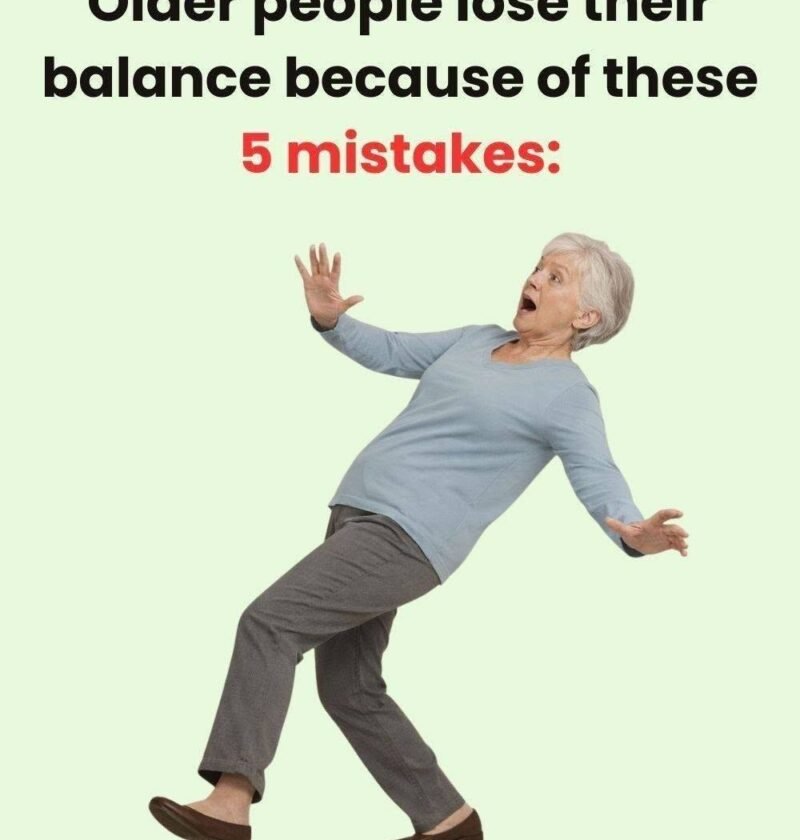
Maintaining good balance is one of the most important keys to preserving independence, preventing falls, and staying active as we age. Unfortunately, small habits and everyday missteps can quietly chip away at stability without us even realizing it.
Here are some of the most common mistakes that affect balance in older adults—and simple adjustments to stay steady on your feet.
1. Wearing the Wrong Footwear Indoors and Out
-
The Mistake: Walking around the house in slippery socks, smooth-soled slippers, or worn-out shoes, or wearing outdoor shoes with thick, uneven treads or high heels.
-
Why It Hurts Balance: Your feet are your primary connection to the ground. Slippers without grip or shoes that alter your natural gait reduce your foot’s ability to feel the floor and adjust to changes in texture.
-
The Fix: Wear supportive, closed-back shoes or slippers with non-skid, rubber soles both inside and outside the house.
2. Overlooking Vision and Hearing Changes
-
The Mistake: Skipping regular eye exams or putting off getting new glasses, or ignoring mild hearing loss.
-
Why It Hurts Balance: Balance is a complex team effort between your eyes (visual cues), your inner ear (vestibular system), and your muscles/joints (proprioception). If your vision is blurry or your inner ear is struggling, your brain loses critical data it needs to keep you upright. Additionally, research shows that untreated hearing loss directly impacts spatial awareness and cognitive load, increasing fall risk.
-
The Fix: Get your eyes checked annually, keep your glasses prescription up to date, and have your hearing tested if you notice changes.
3. Ignoring Strength and Leg Muscles (Especially the Calves and Core)
-
The Mistake: Adopting a completely sedentary lifestyle or focusing only on upper-body movements while neglecting lower-body strength.
-
Why It Hurts Balance: When you trip or start to tip over, your body relies on quick, powerful muscle contractions—especially in your ankles, calves, hips, and core—to catch yourself. Weak leg muscles mean a slower reaction time when you need to recover your balance.
-
The Fix: Incorporate simple, safe strength and balance exercises into your week, such as chair stands (sitting and standing without using your hands), heel-to-toe walking, or standing on one foot while holding onto a sturdy counter.
4. Falling Victim to “Home Hazards”
-
The Mistake: Keeping loose throw rugs, cluttered hallways, extension cords across walking paths, or poor lighting in stairwells.
-
Why It Hurts Balance: Even someone with great core strength can be tripped up by a flipped rug corner or a shadow in a dim hallway.
-
The Fix: Secure or remove loose area rugs, clear floor clutter, ensure high-traffic pathways are well-lit (including nightlights in the hallway and bathroom), and install grab bars in the shower if needed.
5. Chronic Dehydration
-
The Mistake: Drinking too little water throughout the day, often because of a desire to limit bathroom trips.
-
Why It Hurts Balance: Mild dehydration can lead to a sudden drop in blood pressure, dizziness, lightheadedness, and mental fatigue—all of which make a misstep much more likely.
-
The Fix: Sip water steadily throughout the day rather than all at once, and keep a glass within easy reach.
A Quick Reminder: Balance is a skill that can be maintained and even improved at any age! If you or a loved one has experienced recent near-falls or unexplained dizziness, it’s a great idea to mention it to a doctor or physical therapist. They can perform a quick balance screening and recommend targeted exercises.
Have you noticed any subtle changes in your own balance, or are you looking out for a loved one’s safety?