While the idea of playing “dentist at home” is tempting—especially to save time or money—trying to remove hardened tartar yourself can actually do more harm than good.
It is important to make a key distinction between plaque and tartar:
-
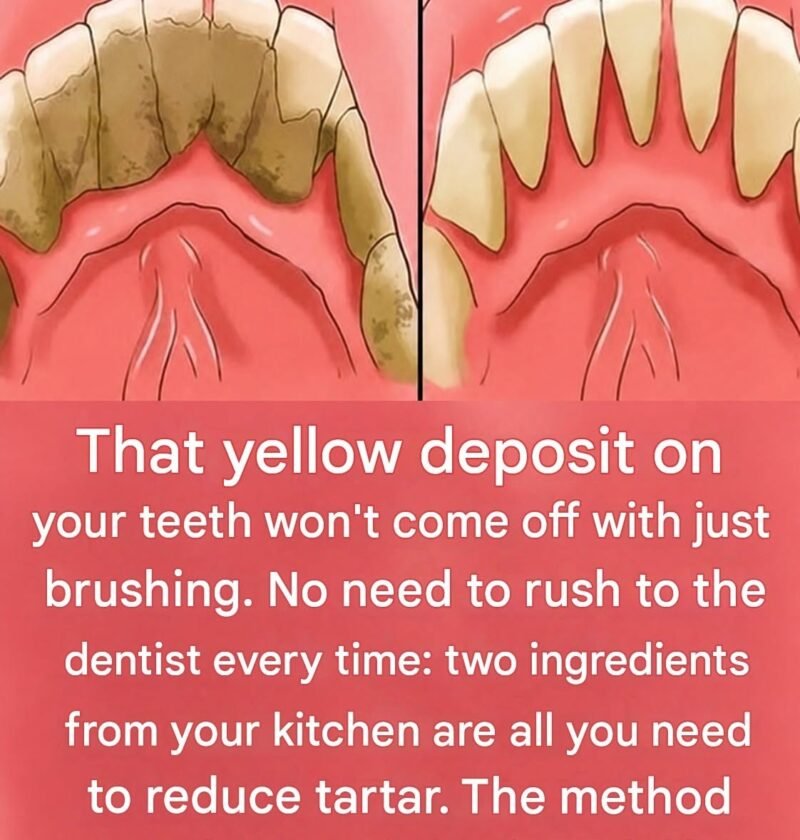
Plakia (Plaque): A sticky, colorless film of bacteria that forms on your teeth daily. You can and should remove this at home by brushing twice a day and flossing daily.
-
Tartar (Calculus): Plaque that has mixed with the minerals in your saliva and hardened into a cement-like crust. Once tartar forms, it bonds tightly to the enamel and cannot be scraped off with normal brushing, flossing, or DIY tools.
Why DIY Tartar Removal Is Risky
You might see metal dental picks, scrapers, or viral hacks online promising easy at-home cleaning, but dentists strongly advise against using them for a few crucial reasons:
-
Risk of Damaging Enamel: Scrapers and sharp metal instruments can easily gouge, scratch, or chip your tooth enamel. Once enamel is damaged, it cannot grow back.
-
Gum Trauma: Because tartar often sits right at or below the gumline, slipping with a sharp tool can slice or severely irritate your delicate gum tissue, leading to bleeding, pain, and infection.
-
Pushing Bacteria Deeper: Improper scraping can push bacteria and plaque deeper into your gum pockets, accelerating gum disease (gingivitis or periodontitis) rather than preventing it.
-
False Sense of Security: Scraping the visible front surface of a tooth doesn’t clean the hidden areas below the gumline where the most damaging tartar accumulates.
How to Safely Manage Tartar at Home
While you can’t remove existing tartar yourself, you can take powerful steps to stop new tartar from forming and keep plaque from hardening in the first place:
-
Upgrade to an Electric Toothbrush: Clinical studies show that electric toothbrushes (especially sonic ones) are significantly more effective at breaking up and removing plaque before it has a chance to mineralize into tartar.
-
Use Tartar-Control Toothpaste: Look for ADA-approved toothpastes containing ingredients like pyrophosphates or zinc citrate, which help prevent minerals from binding to plaque and turning into tartar.
-
Don’t Skip Daily Flossing: Plaque accumulates heavily between teeth where your toothbrush bristles can’t reach. Flossing daily stops interdental plaque from turning into hard tartar bridges.
-
Consider an Antiseptic Mouthwash: Rinsing with an antibacterial mouthwash helps reduce the overall bacterial load in your mouth, slowing down plaque formation.
The Only Safe Way to Remove Tartar
The only safe and effective way to remove existing tartar is in a professional dental chair. Hygienists use specialized ultrasonic scalers and hand instruments designed to shatter and remove tartar safely without harming your teeth or gums.
When was your last professional dental cleaning? If it has been more than six months, scheduling a visit is the safest and best way to get that truly clean, polished smile!