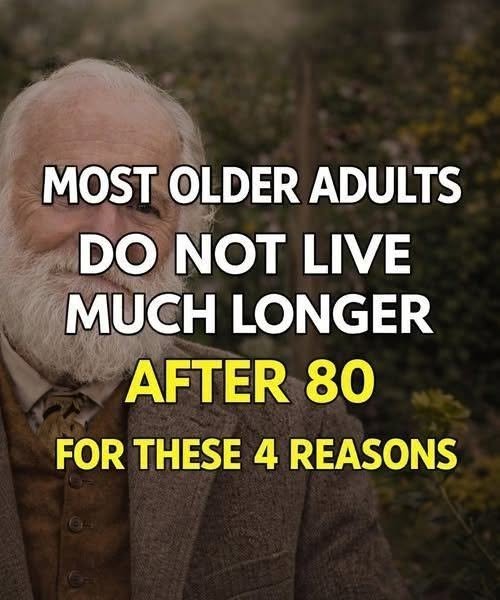
“Most older adults don’t live much past 80” — the claim needs context
That headline is misleading. Reaching 80 does not mean a person is unlikely to live many more years. Longevity varies considerably depending on country, sex, genetics, health conditions, lifestyle, and access to healthcare.
Four major factors that can affect health and longevity in later life are:
-
Heart and blood-vessel disease
Heart disease and stroke remain major causes of illness and death in older adults. Managing blood pressure, cholesterol, diabetes, and tobacco exposure can reduce cardiovascular risk. -
Loss of muscle and physical function
Aging naturally reduces muscle mass and strength, but regular resistance exercise, adequate nutrition, and staying active can help preserve mobility and independence. -
Cancer
Cancer risk generally rises with age. Following appropriate screening recommendations and getting persistent or unusual symptoms evaluated can help with early detection. -
Falls and frailty
Weakness, poor balance, vision problems, medication effects, and unsafe surroundings can increase the risk of serious falls. Strength and balance exercises and making the home safer can reduce some risks.
Other factors—including smoking, excessive alcohol use, poor nutrition, sleep problems, social isolation, and untreated chronic diseases—can also influence healthy aging.
Bottom line: There is no age-80 cutoff for longevity. Many people live well beyond 80, and focusing on cardiovascular health, strength, mobility, preventive care, and healthy daily habits can support healthier aging.