Blog

When clickbait headlines promise that a handful of vitamins can “instantly” boost circulation and “reverse” vascular problems at any age without a prescription, it taps into a very understandable desire for a quick, natural fix for cold feet, heavy legs, or sluggish blood flow. While certain vitamins and targeted nutrients play a fundamental role in supporting vascular health and keeping your blood vessels flexible, **no supplement can instantly reverse chronic circulatory issues overnight.** True vascular health requires addressing the root causes—such as plaque buildup (atherosclerosis), vein valve weakness, or sedentary habits. Here is the science behind how key vitamins and nutrients actually support leg and foot circulation, and what you need to know about them: — ### 6 Key Nutrients and Vitamins That Support Circulation 1. **Vitamin B3 (Niacin)** * **How It Works:** Niacin is well known for causing a “niacin flush”—a temporary reddening and warming of the skin caused by the widening (vasodilation) of small blood vessels near the surface. * **The Reality:** While it widens peripheral vessels, high-dose niacin supplements do not magically clear blocked arteries or cure chronic lower-extremity circulatory disease, and high doses can cause uncomfortable side effects or liver strain. 2. **Vitamin C** * **How It Works:** Vitamin C is essential for producing collagen and elastin, the structural proteins that give your blood vessels their strength, elasticity, and resilience. * **The Reality:** Adequate vitamin C prevents vessel fragility, but taking massive mega-doses won’t instantly cure poor circulation caused by narrowed arteries. 3. **Vitamin E** * **How It Works:** As mentioned earlier, vitamin E acts as a mild natural antioxidant and anticoagulant, helping prevent blood cells from sticking together and forming clots. * **The Reality:** While it supports smooth blood flow, high-dose vitamin E supplements should be approached with caution, especially if you take blood-thinning medications. 4. **Vitamin K2** * **How It Works:** Vitamin K2 helps direct calcium into your bones where it belongs and prevents it from depositing into the soft tissues of your arterial walls, helping maintain arterial flexibility. * **The Reality:** It is a fantastic long-term preventative nutrient, but it works gradually over months and years, not instantly. 5. **Magnesium** * **How It Works:** While technically a mineral rather than a vitamin, magnesium helps relax the smooth muscles lining your blood vessels, allowing arteries to dilate and blood to flow more easily to your feet. * **The Reality:** Great for easing muscle cramps and supporting healthy blood pressure, but it works best as part of a balanced diet rather than a standalone cure. 6. **Nitric Oxide Boosters (Beetroot Extract / L-Arginine / Vitamin C Combos)** * **How It Works:** Often grouped into circulation supplements, these compounds help your body produce nitric oxide, a powerful molecule that signals blood vessels to widen and improve blood delivery to your lower limbs. * **The Reality:** They can temporarily improve blood flow during exercise, but they do not reverse underlying vascular disease on their own. — ### What *Actually* Improves Poor Leg and Foot Circulation? If you struggle with cold feet, cramping, or heavy legs, long-term circulation is best improved through proven lifestyle habits rather than miracle pills: * **Get Moving (The Muscle Pump):** Your calf muscles act as a secondary heart, squeezing veins with every step to push blood back up toward your chest. Regular walking is one of the most effective circulation boosters. * **Elevate Your Legs:** If your poor circulation is due to venous insufficiency (leaky vein valves causing blood to pool in the lower legs), elevating your legs above your heart for 15–20 minutes several times a day provides natural relief. * **Stay Hydrated:** Drinking enough water keeps your blood volume healthy and prevents blood from becoming sluggish or thick. * **Quit Smoking:** Nicotine is a potent vasoconstrictor that aggressively narrows blood vessels, choking off blood flow to your extremities. — > **Medical Warning:** Persistent poor circulation in the legs—especially if accompanied by pain, cramping when walking that stops with rest (claudication), cold toes, pale skin, or non-healing sores—can be a sign of **Peripheral Artery Disease (PAD)**. This requires a professional medical evaluation (such as an ankle-brachial index test) rather than over-the-counter vitamins. Are you experiencing specific symptoms in your legs or feet, like coldness, cramping, or swelling, that prompted you to look into circulation remedies?

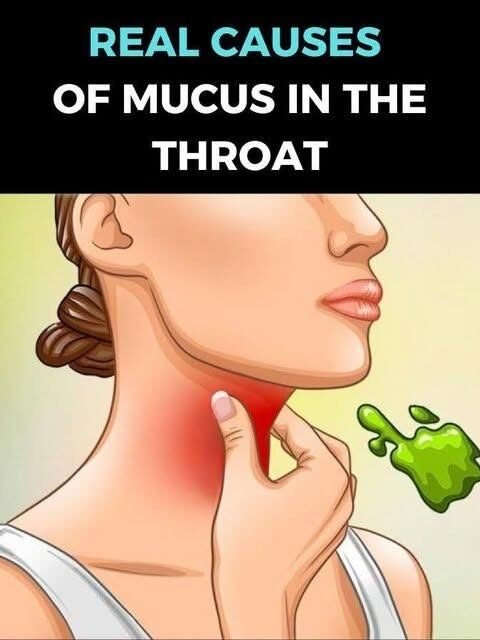
When clickbait headlines promise that a handful of vitamins can “instantly” boost circulation and “reverse” vascular problems at any age without a prescription, it taps into a very understandable desire for a quick, natural fix for cold feet, heavy legs, or sluggish blood flow.
While certain vitamins and targeted nutrients play a fundamental role in supporting vascular health and keeping your blood vessels flexible, no supplement can instantly reverse chronic circulatory issues overnight. True vascular health requires addressing the root causes—such as plaque buildup (atherosclerosis), vein valve weakness, or sedentary habits.
Here is the science behind how key vitamins and nutrients actually support leg and foot circulation, and what you need to know about them:

6 Key Nutrients and Vitamins That Support Circulation

  1. Vitamin B3 (Niacin)
    • How It Works: Niacin is well known for causing a “niacin flush”—a temporary reddening and warming of the skin caused by the widening (vasodilation) of small blood vessels near the surface.
    • The Reality: While it widens peripheral vessels, high-dose niacin supplements do not magically clear blocked arteries or cure chronic lower-extremity circulatory disease, and high doses can cause uncomfortable side effects or liver strain.
  2. Vitamin C
    • How It Works: Vitamin C is essential for producing collagen and elastin, the structural proteins that give your blood vessels their strength, elasticity, and resilience.
    • The Reality: Adequate vitamin C prevents vessel fragility, but taking massive mega-doses won’t instantly cure poor circulation caused by narrowed arteries.
  3. Vitamin E
    • How It Works: As mentioned earlier, vitamin E acts as a mild natural antioxidant and anticoagulant, helping prevent blood cells from sticking together and forming clots.
    • The Reality: While it supports smooth blood flow, high-dose vitamin E supplements should be approached with caution, especially if you take blood-thinning medications.
  4. Vitamin K2
    • How It Works: Vitamin K2 helps direct calcium into your bones where it belongs and prevents it from depositing into the soft tissues of your arterial walls, helping maintain arterial flexibility.
    • The Reality: It is a fantastic long-term preventative nutrient, but it works gradually over months and years, not instantly.
  5. Magnesium
    • How It Works: While technically a mineral rather than a vitamin, magnesium helps relax the smooth muscles lining your blood vessels, allowing arteries to dilate and blood to flow more easily to your feet.
    • The Reality: Great for easing muscle cramps and supporting healthy blood pressure, but it works best as part of a balanced diet rather than a standalone cure.
  6. Nitric Oxide Boosters (Beetroot Extract / L-Arginine / Vitamin C Combos)
    • How It Works: Often grouped into circulation supplements, these compounds help your body produce nitric oxide, a powerful molecule that signals blood vessels to widen and improve blood delivery to your lower limbs.
    • The Reality: They can temporarily improve blood flow during exercise, but they do not reverse underlying vascular disease on their own.

What Actually Improves Poor Leg and Foot Circulation?

If you struggle with cold feet, cramping, or heavy legs, long-term circulation is best improved through proven lifestyle habits rather than miracle pills:
  • Get Moving (The Muscle Pump): Your calf muscles act as a secondary heart, squeezing veins with every step to push blood back up toward your chest. Regular walking is one of the most effective circulation boosters.
  • Elevate Your Legs: If your poor circulation is due to venous insufficiency (leaky vein valves causing blood to pool in the lower legs), elevating your legs above your heart for 15–20 minutes several times a day provides natural relief.
  • Stay Hydrated: Drinking enough water keeps your blood volume healthy and prevents blood from becoming sluggish or thick.
  • Quit Smoking: Nicotine is a potent vasoconstrictor that aggressively narrows blood vessels, choking off blood flow to your extremities.
Medical Warning: Persistent poor circulation in the legs—especially if accompanied by pain, cramping when walking that stops with rest (claudication), cold toes, pale skin, or non-healing sores—can be a sign of Peripheral Artery Disease (PAD). This requires a professional medical evaluation (such as an ankle-brachial index test) rather than over-the-counter vitamins.
Are you experiencing specific symptoms in your legs or feet, like coldness, cramping, or swelling, that prompted you to look into circulation remedies?

Leave a Reply

Your email address will not be published. Required fields are marked *