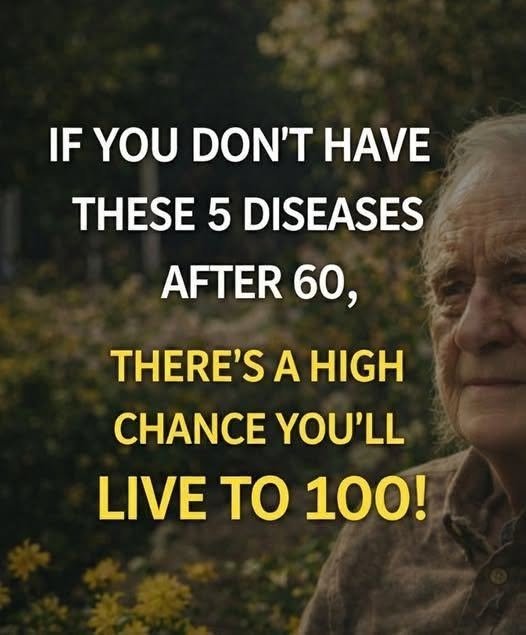
That headline is too strong. There is no reliable set of five diseases whose absence at age 60 means you’re likely to reach 100. Longevity depends on genetics, blood pressure, metabolic health, lifestyle, environment, and many other factors.
That said, reaching 60 without major chronic disease is generally a favorable sign. The conditions that are particularly important for healthy aging include:
- Cardiovascular disease — heart disease and stroke are major causes of disability and death.
- Cancer — risk increases substantially with age, making appropriate screening important.
- Type 2 diabetes — long-term high blood glucose can damage blood vessels, nerves, kidneys, and eyes.
- Chronic kidney disease — often develops silently, so blood pressure and kidney testing matter.
- Dementia — risk increases with age, although dementia isn’t an inevitable part of getting older.
More important than simply avoiding a diagnosis is controlling modifiable risk factors: don’t smoke, stay physically active, maintain a healthy weight, eat a predominantly whole-food diet, manage blood pressure and cholesterol, get recommended screenings and vaccinations, and maintain social and cognitive activity.
And reaching 60 in good health is not a guarantee of reaching 100. Conversely, having one of these conditions doesn’t mean someone can’t live a long life—many chronic diseases can be effectively managed for decades.