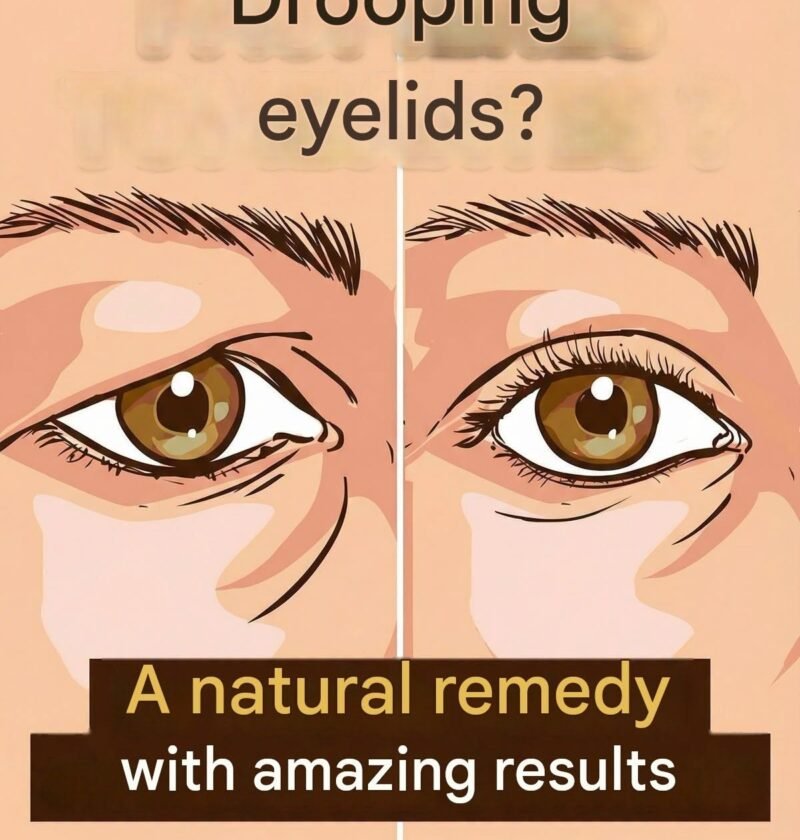
Droopy eyelids—medically known as ptosis (when the upper eyelid sags over the eye) or dermatochalasis (excess skin and fat on the upper eyelid, often called hooded eyes)—are a very common part of the natural aging process.
While viral beauty trends often promise that facial exercises, eye creams, or DIY botanical tightening masks can completely reverse drooping skin or lift a sagging eyelid, the reality depends heavily on what is causing the change. Here is a breakdown of what non-surgical approaches can and cannot do, and when it is important to seek a medical evaluation.
What Home Care and Natural Methods Can Do
If your eyelids are starting to feel heavy or look slightly hooded due to mild, age-related skin laxity and loss of skin elasticity, certain daily habits can support overall eye-area health:
-
Prioritize Daily Sun Protection: UV exposure breaks down collagen and elastin fibers in the delicate skin around the eyes faster than almost any other factor. Wearing UV-blocking sunglasses and applying a gentle, eye-safe SPF daily protects the skin’s structural integrity.
-
Support Skin Barrier Hydration: Using lightweight, hydrating eye creams containing peptides, ceramides, or hyaluronic acid temporarily plumps the upper layers of the skin, smoothing fine lines and reducing the crepey appearance of hooded lids.
-
Gentle Massage and Lymphatic Drainage: Fluid retention can sometimes make upper eyelids look puffier and heavier in the morning. Gentle tapping or lymphatic massage around the orbital bone can help reduce morning swelling—though it will not tighten loose skin or lift sagging muscle.
What Natural Methods Cannot Do
It is important to manage expectations regarding viral DIY “eyelid-lifting” hacks:
-
Cannot Reverse Structural Sagging: Drooping eyelids are often caused by the weakening of the levator muscle (the muscle that lifts the eyelid) or the stretching of the orbital septum, which allows fat to bulge forward. Topical creams and facial exercises cannot repair a weakened internal muscle or eliminate excess, stretched-out skin.
-
Eye Exercises: While facial yoga or eye exercises can strengthen certain expressions of the face, clinical studies show they cannot lift a drooping eyelid caused by aging or muscle separation.
When to See a Doctor (Medical Red Flags)
While most age-related eyelid hooding is purely cosmetic, sudden or severe drooping should always be evaluated by a healthcare professional (such as an optometrist, ophthalmologist, or primary care doctor) to rule out underlying neurological or muscular conditions.
Schedule a medical evaluation if you notice:
-
Sudden Onset: If an eyelid droops rapidly over the course of hours or days (as opposed to a gradual change over years).
-
Double Vision or Blurry Sight: If the drooping eyelid begins to block your upper field of vision or is accompanied by double vision.
-
Neurological Symptoms: If the droop is accompanied by a severe headache, sudden pupil size inequality, weakness in your face or limbs, or difficulty speaking.
-
Associated Pain: If you experience pain around the eye, forehead, or temple.
Medical and Surgical Options
If droopy eyelids are significantly interfering with your vision or bothering you aesthetically, modern medicine offers effective, permanent solutions:
-
Blepharoplasty: A common, minor surgical procedure where a surgeon removes excess skin, muscle, and sometimes fat from the upper eyelid to restore a clear field of vision and a firmer contour.
-
Ptosis Repair: A specialized surgical procedure that tightens or re-attaches the stretched levator muscle if the eyelid itself is sagging below its normal position.