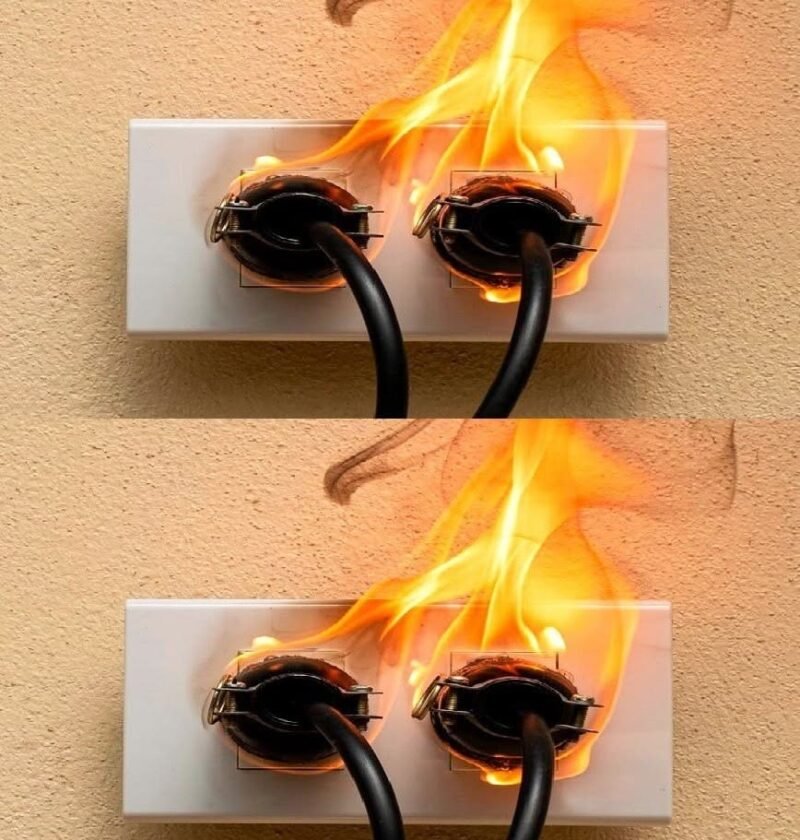
Headlines warning that you must unplug a specific kitchen appliance “at all costs” before going to sleep to prevent a house fire are a classic brand of fear-mongering clickbait. While electrical safety is undeniably important, blanket commands to yank cords out of the wall every single night are usually unnecessary and misunderstands how modern appliances and home electrical systems are designed to operate.
Why “Unplug Every Night” Claims Are Misleading
-
Appliances Designed for Continuous Power: Major kitchen appliances—such as refrigerators, freezers, and certain connected ovens—are engineered to run safely 24/7. Unplugging a refrigerator overnight to “prevent fires” will simply spoil your food, which creates a health hazard rather than a safety benefit.
-
The Real Risk is Faulty Wiring, Not the Appliance Itself: Electrical fires typically stem from frayed cords, overloaded wall outlets, damaged internal wiring, or cheap, unrated extension cords rather than a standard, well-functioning kitchen appliance sitting plugged into a proper wall socket.
-
Standby Power vs. Active Draw: Many modern small appliances (like coffee makers, microwaves, or toaster ovens) draw a tiny amount of “phantom” standby power, but this does not inherently cause overheating or fires unless a component is actively failing or damaged.
Which Kitchen Appliances Actually Warrant Caution?
While you don’t need to crawl around your kitchen unplugging your entire appliance array every night, it is smart to practice basic kitchen electrical safety, particularly with high-heat heating appliances:
-
Toasters and Toaster Ovens: These devices accumulate crumbs that can easily catch fire if a heating element malfunctions. While you don’t necessarily have to unplug them every night, making sure they are clean, clear of combustible items, and turned off is vital.
-
Portable Heating Devices: If you use small, high-wattage countertop appliances (like portable induction burners, electric kettles, or space heaters), they should always be turned off at the switch and unplugged when not in use.
-
Appliances with Frayed Cords or Loose Plugs: If any appliance has a damaged cord, a cracked plug, or causes a spark when plugged in, stop using it immediately and replace or repair it, rather than just relying on unplugging it as a temporary fix.
Best Practices for Home Electrical Safety
Instead of living in fear of standard kitchen outlets, focus on these proactive fire-prevention habits:
-
Never Use Extension Cords for Heavy Appliances: High-wattage kitchen appliances should always be plugged directly into wall outlets, never into cheap extension cords or multi-plug power strips that can overheat.
-
Test Your Smoke Alarms: Ensure you have working smoke and carbon monoxide detectors near your kitchen and sleeping areas, and test them regularly.
-
Inspect Cords Regularly: Periodically check appliance cords to ensure pets haven’t chewed them and that they aren’t pinched behind heavy furniture or counters.
The Takeaway: You do not need to unplug your kitchen before bed to prevent a catastrophe. Keeping your appliances clean, avoiding overloaded outlets, and replacing damaged cords will do far more to protect your home than a nightly routine of pulling plugs.