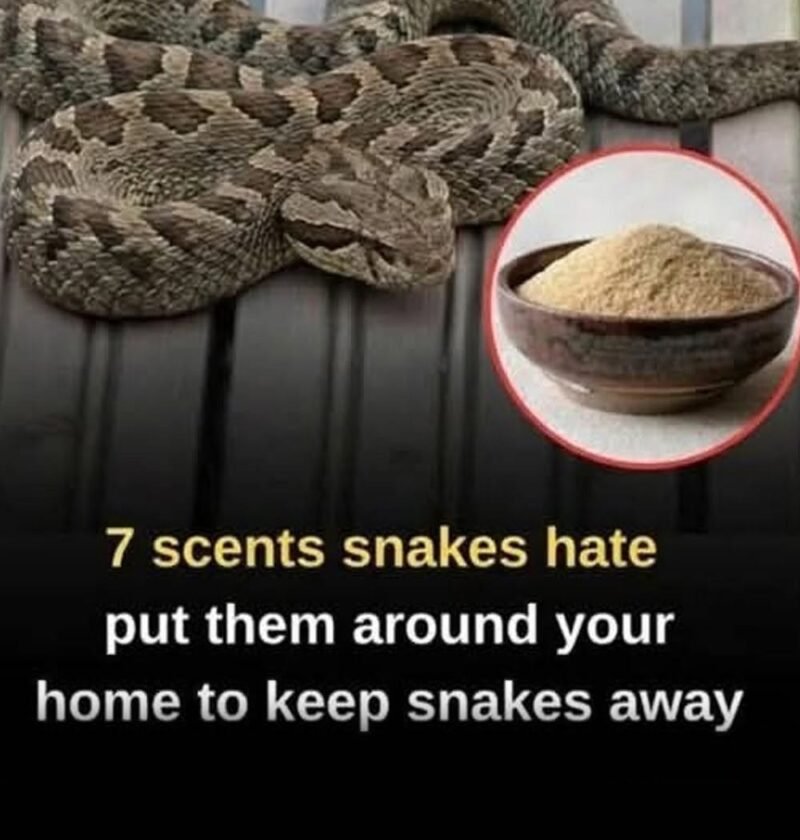
Viral pest-control articles and social media gardening tips love to share lists of “7 magical smells snakes hate”—ranging from essential oils and garlic to specific herbs or mothballs—promising they will instantly create an impenetrable barrier around your home.
While snakes do have a highly sensitive sense of smell (relying heavily on their tongue and a specialized Jacobson’s organ to pick up chemical cues in the air), the reality of using aromatic deterrents is far more nuanced than the headlines suggest. Here is a look at what science says about these common scents, what actually works, and how to genuinely discourage snakes from moving into your yard.
The Claims: 7 Common “Snake-Repelling” Scents
-
Garlic and Onions: The strong sulfur compounds are often said to overwhelm a snake’s olfactory senses.
-
Peppermint Oil: A favorite multi-purpose pest repellent; the strong minty aroma is claimed to irritate snakes.
-
Cinnamon and Clove Essential Oils: Pungent, spicy oils believed to disrupt their tracking abilities.
-
Vinegar: Poured around perimeters or property lines to create an acidic, sharp sensory barrier.
-
Ammonia: A harsh chemical odor mimicking predators or unnatural hazards.
-
Mothballs (Naphthalene or Paradichlorobenzene): A widespread old-wives’-tale remedy for repelling snakes, rodents, and pests.
-
Marigolds or Lemongrass: Growing strong-scented plants around the yard as living perimeter guards.
The Reality: Do Scent Repellents Actually Work?
While certain strong scents can temporarily overwhelm a snake in a confined, laboratory-style setting, scent-based repellents are largely ineffective as reliable outdoor barriers for several reasons:
-
Open-Air Dissipation: Outdoors, wind, sunlight, rain, and morning dew rapidly dilute and wash away essential oils, garlic sprays, and vinegars. A scent that is pungent for an hour may be completely gone by afternoon.
-
Lack of Scientific Backing: Controlled studies testing commercial and DIY snake repellents (including sulfur and essential oils) generally show that snakes will readily crawl right across treated perimeters if there is a compelling reason on the other side (such as shelter, water, or food).
-
The Mothball Danger: Using mothballs outdoors to repel snakes is not only largely ineffective, but it is also illegal in many places (as it violates pesticide laws) and environmentally hazardous. Mothballs contain toxic pesticides that can poison pets, contaminate soil and groundwater, and release harmful fumes.
What Actually Keeps Snakes Away (Habitat Modification)
Snakes don’t wander into yards to annoy humans; they go where they can find three things: shelter, water, and food (mostly rodents, frogs, and insects). If you want to make your property unappealing to snakes, focus on removing what attracts them rather than spraying scents:
-
Eliminate Rodent Food Sources: If you have mice or voles, snakes will follow. Keep pet food stored securely, seal gaps around your foundation, and manage birdseed spillage.
-
Clear Out Cover and Clutter: Snakes are secretive and vulnerable to predators, so they look for tight, dark places to hide.
-
Clear tall grass and brush away from the immediate foundation of your home.
-
Elevate firewood piles at least a foot off the ground.
-
Stack mulch, rocks, and building materials away from high-traffic walkways and doorways.
-
-
Manage Moisture: Fix leaky outdoor faucets, clear standing water, and keep garden hoses coiled off the ground, as damp, cool spots attract amphibians and insects that snakes eat.
-
Install Fine-Mesh Fencing: If you live in an area with venomous snakes (like rattlesnakes or copperheads) and want a physical barrier, you can install a solid, fine-mesh (¼ inch) steel hardware cloth fence that angles outward, buried a few inches into the ground.
While an aromatic spray like diluted peppermint or garlic water can leave your garden smelling fresh, keeping your yard clean, tidy, and free of rodent hiding spots is the only reliable way to keep slithery visitors at a distance!