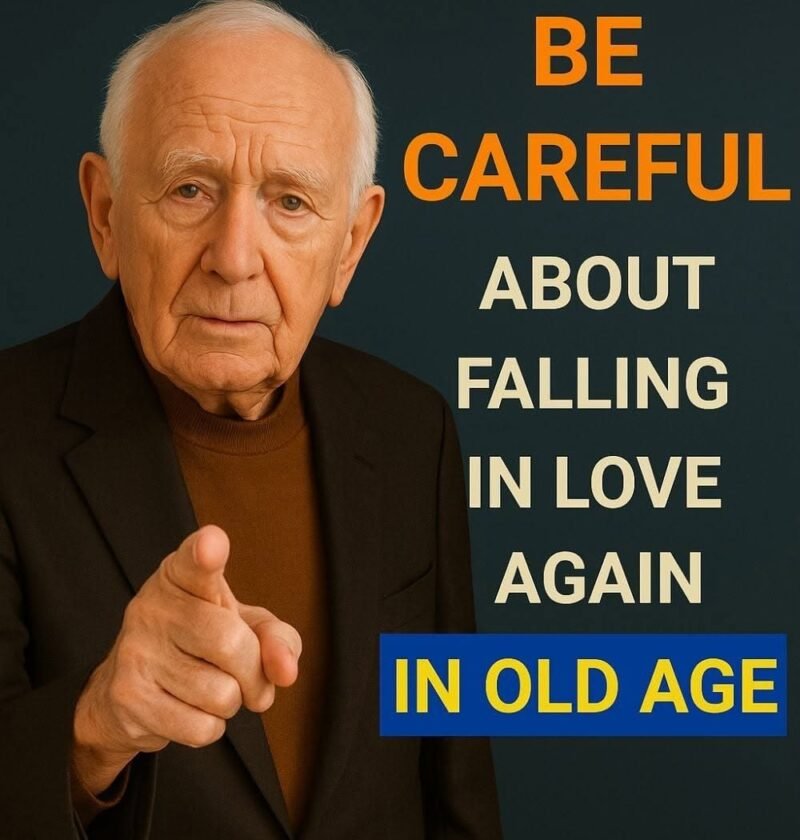
Social media and sensationalized lifestyle headlines love to use dramatic, cautionary hooks like “The Danger of Falling in Love After 60: What Nobody Tells You” to frame aging romance as a risky, high-stakes endeavor.
While falling in love later in life is a deeply rewarding, beautiful experience, it is true that romance after 60 comes with a unique set of practical, emotional, and legal dynamics that younger couples rarely have to navigate. Rather than being “dangerous,” these are simply the realities of combining two fully established, independent lives.
Here is a look at what people rarely talk about when it comes to finding love later in life—and why navigating them thoughtfully matters.
1. The Financial and Legal Entanglements (The Biggest Real-World “Risk”)
When younger couples marry or move in together, they are usually building a financial life from the ground up. Over 60, both partners typically bring decades of accumulated assets, debt, retirement accounts, and real estate into the relationship.
-
The Estate Planning Challenge: If you marry later in life without clear legal planning, state inheritance laws can unintentionally override your personal wishes. For example, surviving spouses often have legal rights to a portion of an estate, which can accidentally disinherit adult children from a previous marriage.
-
Pension and Benefit Complications: Certain widows, widowers, or divorced individuals receiving survivor benefits, pensions, or specific government assistance may face financial penalties or lose eligibility if their marital status legally changes.
-
The Solution: Many mature couples choose a “live-apart-together” (LAT) arrangement, long-term committed partnership without legal marriage, or proactively establish prenuptial agreements to keep their respective children’s inheritances and prior assets entirely secure while still enjoying a shared life.
2. Navigating Established Habits and Independence
After decades of living alone or running a household entirely on your own terms, welcoming someone new into your daily space requires a massive adjustment.
-
Set-in-Stone Routines: By age 60, people have deeply ingrained habits regarding sleep schedules, cleanliness, finances, social preferences, and daily rituals. Compromising on these established patterns can lead to friction.
-
The Solution: Maintaining a healthy dose of autonomy—such as preserving individual hobbies, friendships, and personal space—allows couples to enjoy companionship without feeling crowded or forced to change how they live.
3. Merging Families and Adult Children
While society often pictures adult children enthusiastically welcoming a parent’s new partner, family dynamics can be surprisingly complex.
-
Loyalty Conflicts: Adult children may fiercely protect the memory of a deceased parent or worry that a new partner will complicate future inheritance matters or caregiving responsibilities as aging progresses.
-
The Solution: Moving slowly, keeping adult children informed with respect, and ensuring that financial boundaries are transparently managed can prevent resentment and foster genuine warmth over time.
4. Health Realities and Future Caregiving
As we age, physical health changes become a standard part of life. Falling in love later means taking on a partner whose future health needs may eventually require support.
-
Emotional and Physical Weight: Chronic illnesses, mobility issues, or cognitive decline can shift a romantic relationship into a caregiving dynamic much faster than it would in younger years.
-
The Solution: Open, honest conversations early on about health expectations, long-term care plans, and personal boundaries ensure that both partners understand what they can realistically support.
The Upside: Why Love After 60 Is Worth It
Despite the administrative and emotional logistics, psychological research consistently shows that meaningful companionship in later life brings profound benefits:
-
Emotional Maturity: Older adults typically communicate with greater clarity, resolve conflicts with less drama, and appreciate emotional safety far more than younger couples do.
-
Health and Longevity: Strong social connections and romantic companionship are heavily linked to lower stress hormones, better cardiovascular health, and greater cognitive resilience as we age.
Romance after 60 isn’t dangerous—it’s just more conscious. When approached with open communication, clear financial boundaries, and mutual respect for each other’s independence, it can be one of the most fulfilling chapters of life!