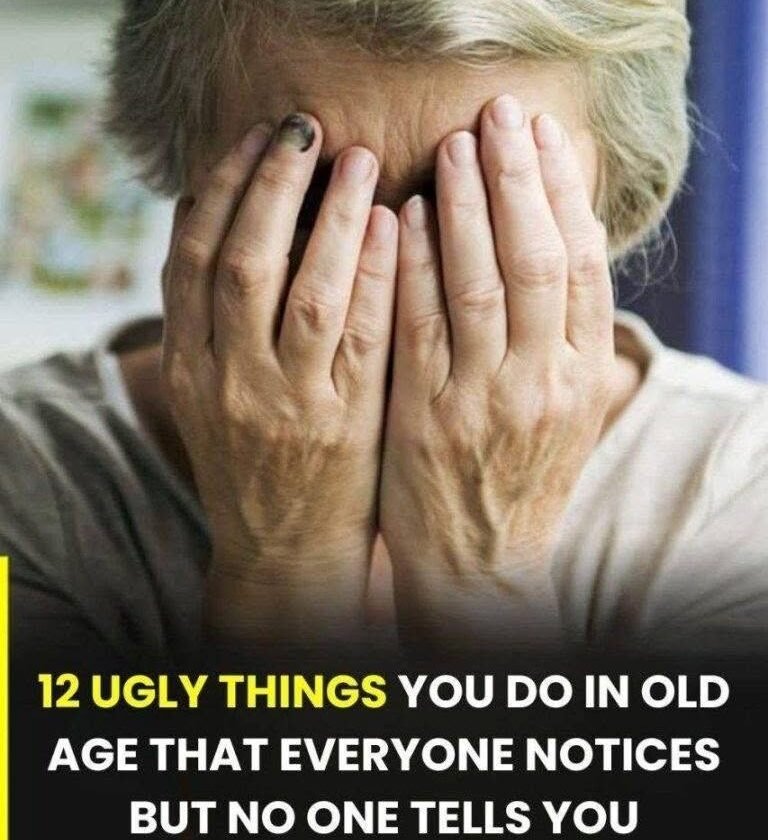
12 Things People May Notice More in Older Age—but Rarely Mention
A headline like this can easily turn normal aging into something shameful. Many changes associated with getting older are common and manageable, not “nasty.” Here are 12 things that people may notice and that are worth addressing without embarrassment:
- Body odor changes — Skin chemistry can change with age, and sweat, medications, or difficulty washing can contribute.
- Bad breath — Dry mouth, dental problems, dentures, gum disease, and some medications can play a role.
- Less-frequent bathing — Mobility problems or fear of falling in the shower can make personal hygiene harder.
- Unwashed or stained clothing — Sometimes this reflects difficulty with laundry, vision problems, or reduced mobility rather than neglect.
- Dental or denture odor — Dentures need regular cleaning, and dental checkups remain important.
- Urine or fecal odor — Incontinence is common but shouldn’t simply be dismissed as an unavoidable part of aging; treatments and protective products can help.
- Strong-smelling shoes or feet — Sweating, fungal infections, and poorly ventilated footwear can cause odor.
- Untrimmed nails — Reduced flexibility, poor eyesight, arthritis, or weakness can make nail care difficult.
- Greasy or unwashed hair — Hair and scalp care can become more difficult because of limited shoulder movement or mobility.
- Persistent coughing or throat clearing — This may be caused by reflux, allergies, medications, or respiratory problems and isn’t necessarily “just old age.”
- Very dry or flaky skin — Aging skin tends to become drier, but regular moisturizing and appropriate bathing can help.
- Clutter or declining household cleanliness — Difficulty keeping up with chores can sometimes be an early sign that someone needs practical support.
The important part
If these changes appear suddenly or represent a major change from someone’s usual habits, don’t assume they’re simply caused by aging. Problems with memory, depression, mobility, vision, dental health, or other medical conditions can sometimes make self-care difficult.
The kindest approach is help rather than embarrassment. A respectful conversation, practical assistance, and a medical check when appropriate can make a much bigger difference than criticism.