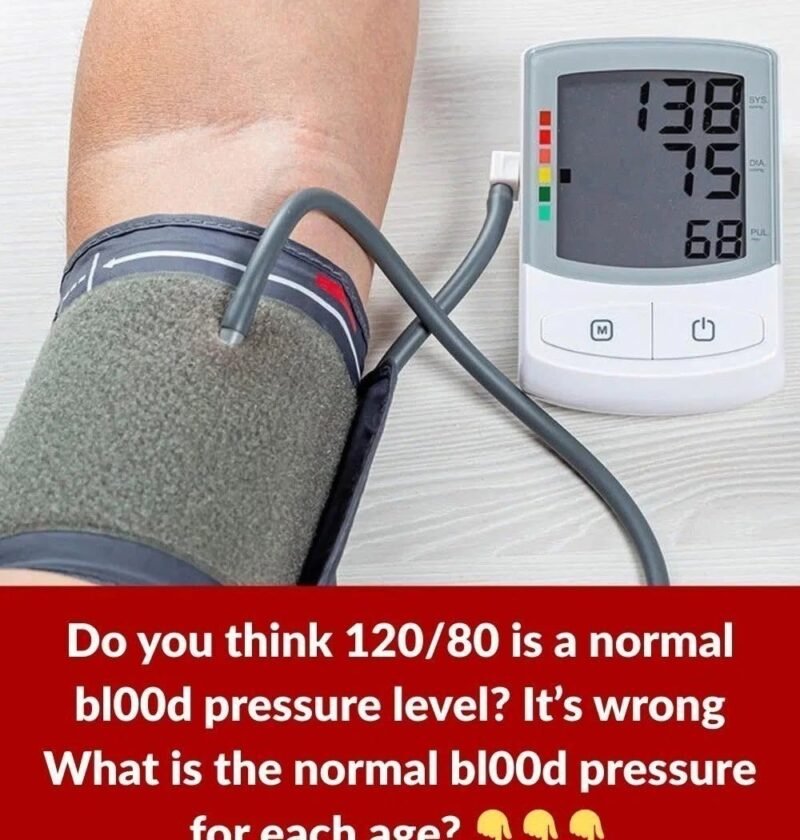
🩺 What Is “Normal” Blood Pressure at Each Age?
There isn’t a separate ideal blood-pressure number for every age. For most adults, including older adults, normal blood pressure is generally below 120/80 mmHg. Blood pressure naturally changes with age, but consistently higher readings shouldn’t simply be dismissed as “normal for your age.”
Adults
| Age | General guide |
|---|---|
| 18–39 | Below 120/80 mmHg is normal |
| 40–59 | Below 120/80 mmHg is normal |
| 60–79 | Below 120/80 mmHg is normal |
| 80+ | There isn’t a universal age-specific “normal”; treatment targets should be individualized |
For U.S. adult classifications, 120–129 systolic with diastolic below 80 is considered elevated, while 130/80 or higher falls into a hypertension category. Different countries and medical organizations use somewhat different thresholds and treatment targets.
👧 Children and teenagers are different
There isn’t a single adult-style cutoff for young children. Normal blood pressure in children depends on age, sex, and height, and pediatric clinicians use age/height-specific reference tables.
What matters most
A single high reading doesn’t necessarily mean you have hypertension. Blood pressure varies with stress, activity, caffeine, pain, and even how the measurement is taken. For home measurements, sit quietly for about 5 minutes, keep your back supported and feet flat, and use an appropriately sized upper-arm cuff.
🚨 Very high readings
If your blood pressure is 180/120 mmHg or higher, repeat the measurement after resting. If it remains that high, contact a healthcare professional promptly. If it is accompanied by chest pain, severe shortness of breath, weakness/numbness, difficulty speaking, vision changes, confusion, or a severe headache, seek emergency medical care.
Bottom line: Don’t use age alone to decide that a high blood-pressure reading is acceptable. For most adults, <120/80 mmHg is considered normal, while your personal treatment target may depend on your overall health and cardiovascular risk.