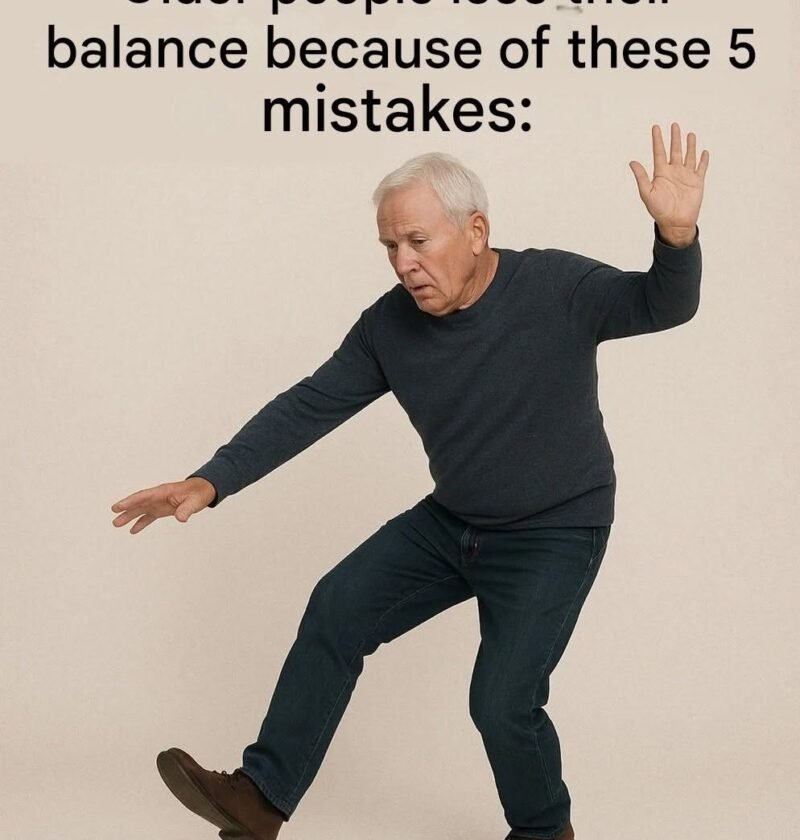
Maintaining balance as we age is essential for preventing falls, preserving independence, and staying active. Balance naturally changes over time due to shifts in vision, inner-ear function, muscle mass, and nerve sensitivity, but certain everyday habits can unnecessarily increase the risk of a fall.
Here are 5 common mistakes that cause older adults to lose their balance, along with practical tips to correct them.
—
### 1. Wearing Improper Footwear
Wearing the wrong type of shoes is one of the most common—and easily preventable—causes of slips and trips.
* **The Mistake:** Walking around in worn-out sneakers, slick-soled dress shoes, backless slippers, socks on hardwood or tile floors, or high heels. These reduce traction, lack ankle support, and can easily catch on carpets.
* **How to Fix It:** Choose supportive, well-fitting shoes with non-skid, rubber soles and low heels. Inside the house, wear slippers with sturdy rubber treads rather than walking barefoot or in socks alone.
### 2. Ignoring Strength and Balance Training
Muscle mass and bone density naturally decline with age (a process called sarcopenia), but physical inactivity accelerates this decline.
* **The Mistake:** Believing that staying seated or resting is the best way to prevent a fall, which actually leads to weaker leg and core muscles. Without regular practice, the body’s balance systems (proprioception) weaken.
* **How to Fix It:** Incorporate low-impact exercises specifically designed for stability, such as tai chi, yoga, or seated/standing chair exercises. Simple movements like heel-to-toe walking, leg raises, and sit-to-stands from a sturdy chair help rebuild lower-body strength.
### 3. Overlooking Home Hazard Risks
Many falls happen right at home simply because living spaces haven’t been adapted for changing mobility.
* **The Mistake:** Living with hidden tripping hazards such as loose area rugs, electrical cords across walkways, clutter on the floor, poor lighting in hallways or stairwells, and the absence of grab bars in bathrooms.
* **How to Fix It:** Conduct a room-by-room safety audit. Remove loose throw rugs or secure them with heavy-duty double-sided tape. Clear pathways of clutter and cords, install nightlights in hallways and bathrooms, and add grab bars near the toilet and inside the shower.
### 4. Failing to Manage Medication Side Effects
As people age, they often take multiple prescriptions, and the combined side effects can significantly impair coordination.
* **The Mistake:** Continuing to take medications that cause dizziness, drowsiness, blurred vision, or sudden drops in blood pressure without discussing alternatives with a doctor.
* **How to Fix It:** Schedule a regular “brown bag” medication review with a primary care physician or pharmacist. Bring every prescription, over-the-counter drug, and supplement to see if any cause sedation or balance issues, and ask if dosages can be adjusted or timing shifted.
### 5. Neglecting Vision and Hearing Checkups
Our sensory systems—eyes, ears, and nerves—work together to keep the body oriented in space. When sensory input declines, the brain receives delayed or inaccurate balance signals.
* **The Mistake:** Waiting years between eye exams, wearing outdated eyeglass prescriptions (especially bifocals or progressive lenses while walking stairs), or ignoring hearing loss, which is directly linked to spatial awareness and balance.
* **How to Fix It:** Have comprehensive eye exams at least once a year. If wearing multi-focal lenses, be extra cautious when navigating stairs, and consider wearing single-vision distance glasses when walking outdoors. Schedule routine hearing evaluations as well.
—
> [!NOTE]
> **Proactive Prevention:** Falls are not an inevitable part of aging. Making small, consistent adjustments to footwear, home environments, and daily routines can drastically lower the risk of a fall and keep loved ones safe and mobile.
—
Would you like some specific examples of safe balance exercises or tips on how to perform a comprehensive fall-prevention audit of a home?