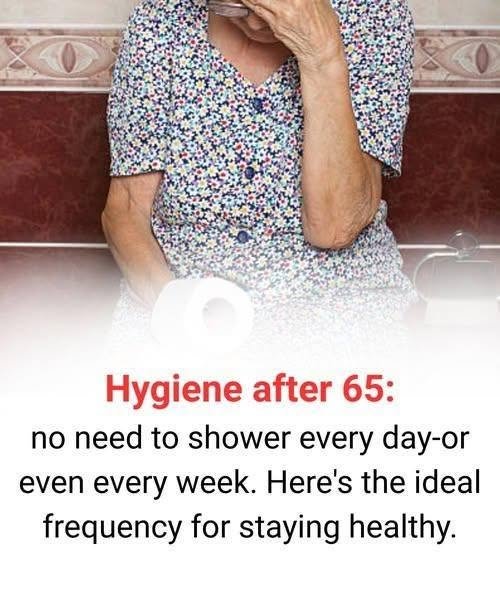
Dermatologists and geriatric health experts explain that while daily showers are a lifelong habit for many, continuing them after age 65 can compromise skin integrity and overall comfort.
-
Loss of Natural Lipids and Moisture: By age 65, skin naturally produces less sebum and can lose a significant portion of its protective lipids. Daily washing—especially with hot water and traditional soap—strips away the fragile hydrolipidic film that locks in moisture.
-
Increased Risk of Dryness and Cracking: Stripped, thinning skin dries out rapidly, leading to chronic tightness, intense itching, scaling, and microscopic cracks that make older skin more vulnerable to irritants and infections.
-
Exacerbation of Skin Conditions: Frequent hot showers can aggravate pre-existing dermatological issues common in older adults, such as asteatotic eczema, contact dermatitis, and general pruritus (severe itching).
Healthier Alternatives for Aging Skin
-
Adjust the Frequency: Most healthy adults over 65 only need a full-body shower or bath 2 to 3 times a week.
-
Targeted Daily Cleansing: On days without a full shower, use a warm washcloth to clean essential odor-prone areas—such as the underarms, groin, face, and feet.
-
Modify Shower Habits: Keep showers short (under 5 to 10 minutes), use lukewarm water instead of hot water, and choose gentle, fragrance-free, lipid-rich cleansers rather than harsh deodorant soaps.
-
Lock in Moisture Immediately: Pat the skin gently dry with a towel and apply a thick, fragrance-free moisturizer or cream immediately while the skin is still slightly damp to restore the moisture barrier.
Do you or an older family member find that your skin feels tight or itchy after showering, or are you looking for ways to adjust a daily routine?