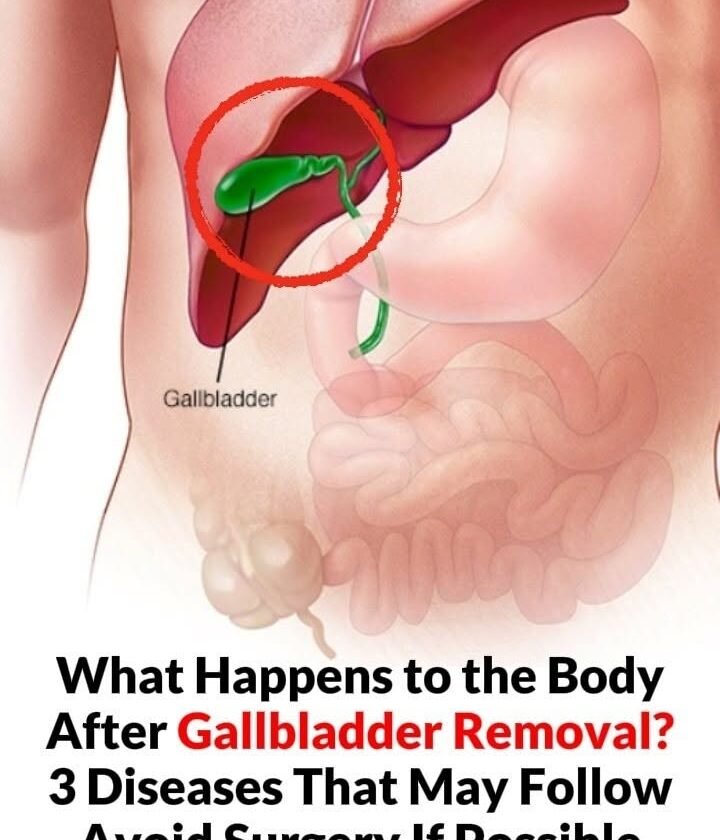
That headline is misleading. Gallbladder removal (cholecystectomy) is a common and generally safe operation, and for people with symptomatic gallstones or certain gallbladder diseases, avoiding medically indicated surgery can be more dangerous than having it.
What can happen after gallbladder removal?
Most people adjust well, but some experience:
- Diarrhea or looser stools: Bile flows continuously into the intestine instead of being stored in the gallbladder. This is often temporary and can usually be managed.
- Bile reflux or digestive symptoms: Some people develop indigestion, bloating, abdominal discomfort, or bile reflux after surgery.
- Post-cholecystectomy symptoms: A minority continue to have abdominal pain or digestive symptoms after surgery. These symptoms can have several causes, including conditions that were present before the operation.
There are also uncommon surgical complications, such as bile-duct injury, bile leakage, infection, bleeding, or blood clots.
Should you avoid the surgery?
Not simply because you’ve heard about possible side effects. Surgery is often recommended when gallstones cause repeated painful attacks, acute cholecystitis, pancreatitis, or other complications. In these situations, treatment may prevent more serious problems.
On the other hand, incidental gallstones that cause no symptoms often don’t require gallbladder removal.
If you’re considering surgery, the important question is why it has been recommended in your particular case. A surgeon can explain the expected benefit, alternatives, and your individual risk of complications.