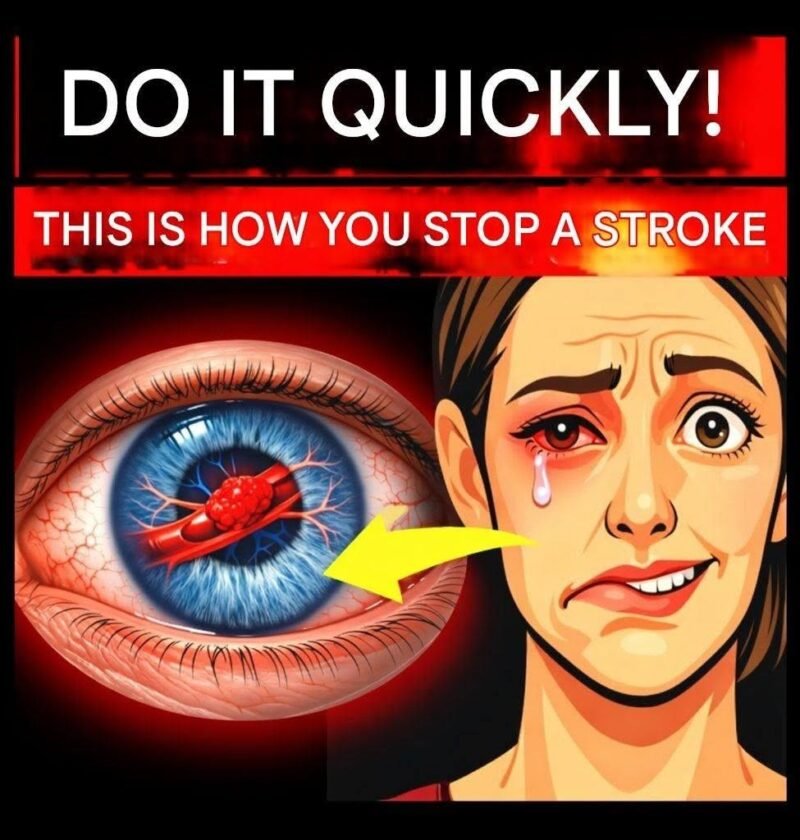
When a stroke occurs, every minute counts. Millions of brain cells die every minute blood flow is interrupted, making rapid intervention critical to preventing permanent disability or death.
Medical guidelines outline precise steps for what to do during the crucial first hours—both at the scene and inside the hospital.
Phase 1: At the Scene (First Few Minutes)
1. Recognize the Signs Using BE FAST
Swift action begins with identifying the symptoms. Look for:
-
B – Balance: Sudden loss of balance or coordination.
-
E – Eyes: Sudden blurred vision or loss of sight in one or both eyes.
-
F – Face: One side of the face droops or feels numb. Ask the person to smile.
-
A – Arms: One arm drifts downward or feels weak/numb when both are raised.
-
S – Speech: Slurred speech, strange words, or inability to speak or understand.
-
T – Time: Note the exact time the symptoms first started (or when the person was last seen acting normally). This time window dictates medical options.
2. Call Emergency Services Immediately (Call 911 or Local Emergency Number)
-
Do not wait to see if symptoms improve.
-
Do not drive the person to the hospital yourself. Always call an ambulance. Emergency medical technicians (EMTs) begin life-saving assessment and care en route, and they notify the hospital in advance so a specialized stroke team can prepare.
3. Immediate Do’s and Don’ts While Waiting
-
Do keep the person safe and comfortable: Lay them down on their side (recovery position) if they are unconscious or vomiting, with their head slightly elevated, to keep their airway clear.
-
Do NOT give food, water, or medication: A stroke often impairs swallowing, creating a severe choking hazard. This includes no aspirin, as giving a blood thinner blindly can be fatal if the stroke is caused by bleeding (hemorrhagic).
-
Do stay calm and monitor them: Reassure the person and watch their breathing closely until help arrives.
Phase 2: Inside the Hospital (The “Golden Hour” & Beyond)
Upon arrival at a stroke-ready center, a fast-track protocol activates to diagnose and treat the stroke:
-
Rapid Brain Imaging (Door-to-CT): Within minutes, doctors perform a non-contrast CT scan or MRI. This critical step distinguishes whether the stroke is ischemic (blocked blood vessel) or hemorrhagic (bleeding in the brain), because treatments for the two are entirely opposite.
-
Treating Ischemic Strokes (Clot-Busting):
-
If it is a blood clot and the patient arrives within 3 to 4.5 hours of symptom onset, they may receive an intravenous medication called tissue plasminogen activator (tPA) to dissolve the clot.
-
For large vessel blockages, a procedure called a mechanical thrombectomy (physically removing the clot via a catheter) can often be performed up to 6 to 24 hours after symptom onset in eligible patients.
-
-
Treating Hemorrhagic Strokes (Brain Bleeds):
-
Doctors focus on rapidly lowering blood pressure, reversing any blood thinners the patient might already be taking, and relieving pressure on the brain, sometimes requiring emergency neurosurgery.
-
Is someone currently experiencing these symptoms, or are you looking for general medical guidance? If there is an active emergency, please ensure emergency services have been called right away.