What to Do If You Start Seeing Eye Floaters: An Eye Doctor’s Helpful Guide
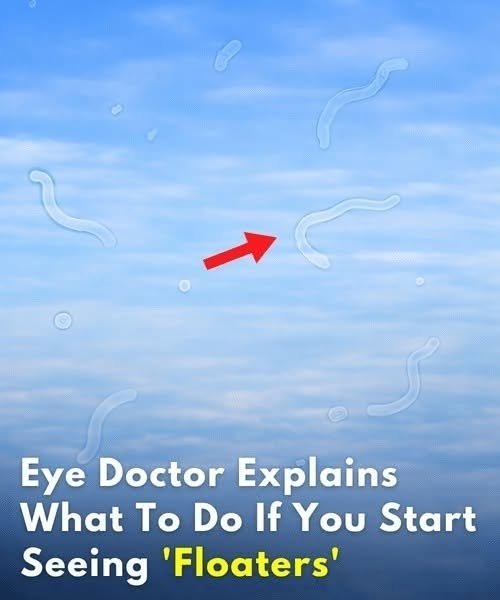
Experiencing eye floaters—those tiny spots, threads, cobwebs, or dark specks that drift across your field of vision—can be startling. While they are a very common and often harmless part of the natural aging process, they can occasionally signal a serious underlying retinal issue.
Here is a step-by-step guide on what floaters are, when they require immediate attention, and how eye doctors evaluate them.
1. Understand What Floaters Are
Eye floaters are tiny clumps of gel or cellular debris floating inside the vitreous, the clear, jelly-like substance that fills the inside of your eye.
-
The Aging Process: As you age, the vitreous gradually liquefies and shrinks, causing microscopic fibers inside to clump together. These clumps cast shadows on your retina, which you perceive as floaters.
-
Posterior Vitreous Detachment (PVD): This is the most common cause of sudden floaters. It happens when the vitreous gel pulls away from the retina at the back of the eye. While usually harmless on its own, it requires an exam to ensure no damage was done.
2. Know the Red Flag Symptoms (When to Seek Urgent Care)
Most floaters are harmless, but a sudden onset can occasionally indicate a retinal tear or retinal detachment, which is a medical emergency that can lead to permanent vision loss.
Seek an immediate evaluation by an optometrist or ophthalmologist if your floaters are accompanied by any of the following:
-
Flashing Lights: Seeing sudden flashes of light, lightning streaks, or camera-flash-like arcs in your side (peripheral) vision.
-
A Sudden Shower: A dramatic, sudden increase in the number of new floaters appearing all at once.
-
The “Curtain” Effect: A dark shadow, gray curtain, or veil moving across any part of your visual field.
-
Blurred or Loss of Vision: Any sudden decrease in central or peripheral vision.
3. What to Expect During an Eye Exam
If you notice new or bothersome floaters, schedule a comprehensive dilated eye exam.
-
Dilation: Your eye doctor will place drops in your eyes to widen your pupils. This allows them to clearly view your entire retina and vitreous gel.
-
Thorough Evaluation: The doctor will check for signs of a PVD, retinal tears, bleeding, or inflammation inside the eye.
-
Reassurance and Monitoring: If your retina is healthy and intact, your doctor will likely reassure you and give you instructions on how to monitor your symptoms.
4. Coping With Harmless Floaters
If your eye doctor confirms that your floaters are harmless and age-related, treatment is generally not recommended because the risks of intervention usually outweigh the benefits. Over time, your brain typically learns to “ignore” them, and they often settle out of your direct line of sight.
-
Give It Time: Floaters often become less noticeable after a few weeks or months.
-
Lighting Adjustments: Floaters are most noticeable against bright, uniform backgrounds (like a clear blue sky or a white computer screen). Wearing sunglasses outdoors or lowering screen brightness can help reduce their visibility.
-
Avoid Unproven Remedies: Be wary of over-the-counter supplements or eye drops marketed to “dissolve” floaters, as there is no scientific evidence supporting their effectiveness.
Important Note: This guide is for educational purposes and should not replace professional medical advice. If you experience a sudden onset of new floaters, always consult an eye care professional promptly to rule out retinal tears.
Are you currently experiencing a sudden increase in floaters, or are you looking for information on a specific symptom?