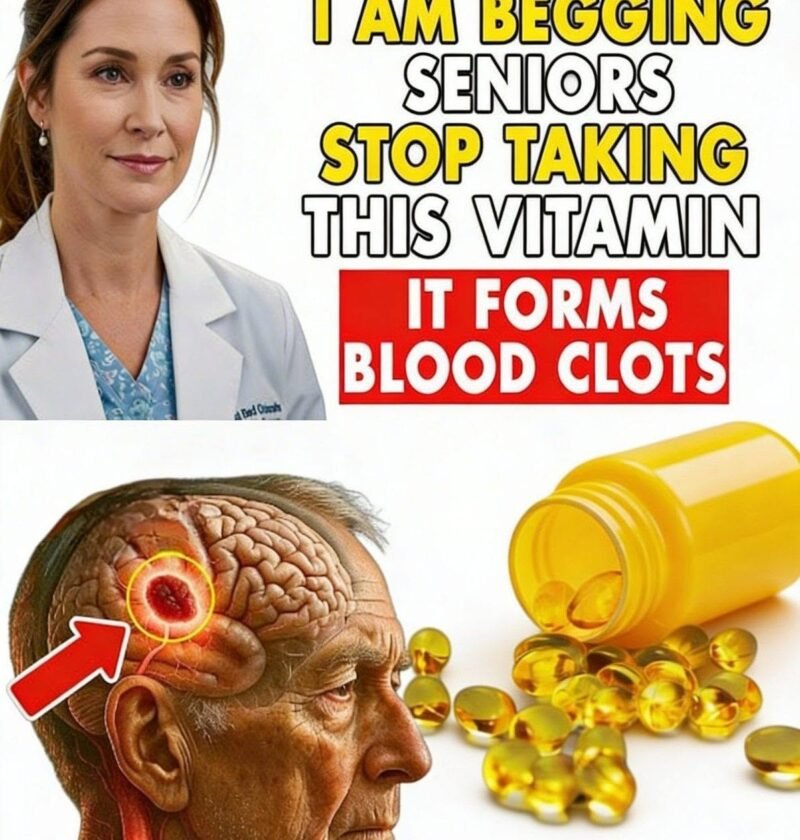
That headline is misleading. There isn’t a vitamin that is known to suddenly “raise stroke risk overnight” in seniors when taken at normal recommended doses.
A few important distinctions:
-
Vitamin supplements can be harmful in excessive doses. More isn’t necessarily better, and some high-dose supplements can interact with medications or affect blood pressure, clotting, or other body systems.
-
Vitamin E, for example, can increase bleeding risk at high supplemental doses, particularly when combined with anticoagulant or antiplatelet medicines. This is different from saying ordinary dietary vitamin E causes strokes.
-
B vitamins such as folic acid, B6, and B12 don’t generally cause an immediate stroke-risk spike when used appropriately. Their effects on cardiovascular health are more complicated and depend on the person’s nutritional status and other factors.
-
Vitamin D deficiency or supplementation should not be treated as a stroke-prevention strategy unless there is a medical reason to use it.
For older adults, the safest approach is to take vitamins only when there is a nutritional need or a clinician recommends them, and to review supplements alongside prescription medicines.
If you have the name and dose of the vitamin mentioned in the post, I can explain whether the claimed stroke risk is supported by medical evidence.