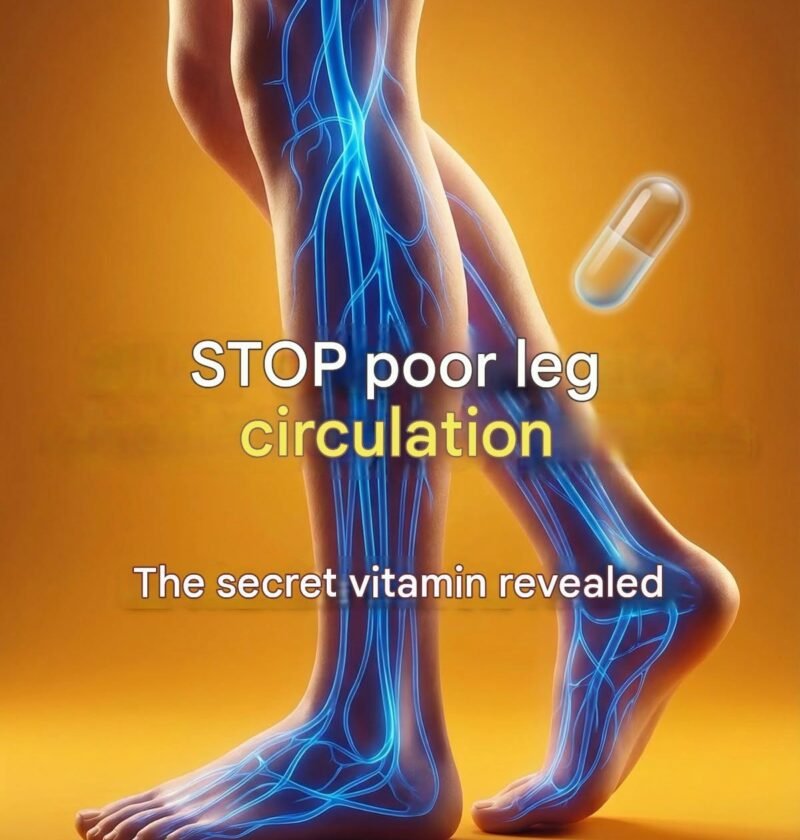
When it comes to improving poor circulation in the legs and feet, there is no single “magic bullet” or best vitamin that can cure the problem on its own. Because poor circulation can stem from several different root causes—such as narrowed arteries, weak vein valves, nutritional deficiencies, or nerve issues—the right nutrient depends entirely on why your circulation is compromised.
Instead of a single vitamin, several key vitamins and nutrients play targeted roles in supporting vascular and circulatory health:
1. Vitamin B3 (Niacin / Nicotinamide Riboside)
-
How it helps: Vitamin B3 is widely recognized for its ability to dilate blood vessels and improve blood flow to the extremities. Certain forms (like nicotinamide riboside) have been studied for their potential to support cellular energy and improve walking endurance in individuals with circulation-affecting conditions like Peripheral Artery Disease (PAD).
-
Food sources: Chicken, turkey, tuna, brown rice, and fortified cereals. (Note: High-dose niacin supplements can cause uncomfortable “niacin flushes” and should be discussed with a doctor).
2. Vitamin E
-
How it helps: Vitamin E acts as a powerful antioxidant that protects blood vessels from oxidative damage. It also helps prevent blood platelets from sticking together excessively, which assists in keeping blood flowing smoothly through the vessels in your legs.
-
Food sources: Sunflower seeds, almonds, peanuts, spinach, and avocados.
3. Vitamin C
-
How it helps: Vitamin C is essential for producing collagen and elastin, the structural proteins that keep your blood vessels and veins strong, flexible, and elastic. Healthy, elastic veins are much better at pushing blood back up from your feet toward your heart.
-
Food sources: Citrus fruits, bell peppers, strawberries, broccoli, and tomatoes.
4. Vitamin K
-
How it helps: Vitamin K helps prevent calcification (the hardening and stiffening of arteries), keeping your blood vessels flexible so blood can pump efficiently to your feet.
-
Food sources: Leafy greens like kale, spinach, and collard greens, as well as Brussels sprouts.
5. Vitamin B12 and Iron (For Nerve and Blood Health)
-
How it helps: If your poor circulation symptoms include numbness, coldness, or a “pins and needles” sensation in your feet, it may actually be a nerve issue or anemia rather than purely structural blood flow. Vitamin B12 and iron are critical for producing healthy red blood cells that carry oxygen and maintaining healthy nerve function.
-
Food sources: Red meat, fish, poultry, eggs, and fortified plant-based foods.
Important Safety Warning
Before starting any high-dose vitamin or supplement for circulation, it is vital to consult a healthcare provider.
-
Medication Interactions: Many circulation-supporting vitamins (like Vitamin E or high-dose supplements) can interact dangerously with prescription blood thinners (such as Warfarin or Aspirin) or blood pressure medications.
-
Underlying Conditions: Poor circulation in the legs and feet can sometimes be a sign of a serious medical condition, such as Peripheral Artery Disease (PAD) or chronic venous insufficiency, which require professional medical evaluation and structural treatments rather than vitamins alone.
Are you experiencing any other symptoms along with poor circulation, like pain when walking, swelling, or skin discoloration?