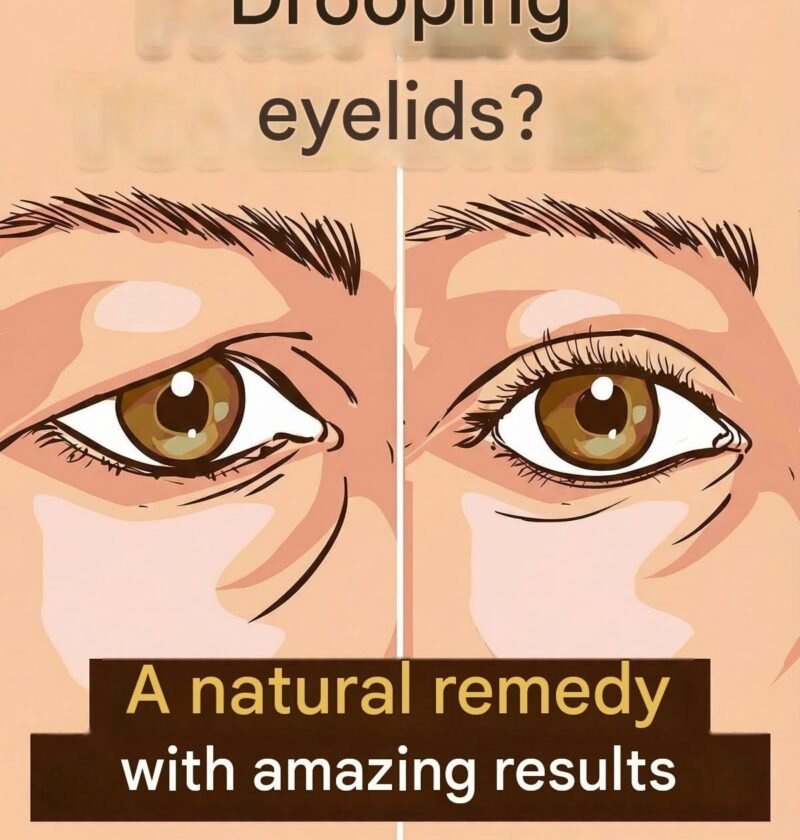
Droopy eyelids, medically known as ptosis (when the upper eyelid sags over the eye) or dermatochalasis (excess skin around the eyelids due to aging), can change your facial expression and sometimes even interfere with your vision. While surgical options like blepharoplasty or ptosis repair are common, many people look for natural, non-invasive ways to manage mild sagging or refresh their eye area.
Natural and At-Home Ways to Improve Appearance
For mild sagging caused by skin laxity, fatigue, or early aging, several conservative steps can help tighten, de-puff, and refresh the eye area:
-
Facial Exercises (Face Yoga): Targeted eye exercises can help tone the muscles surrounding the eyes and forehead. One simple exercise involves placing your index fingers under your brows, closing your eyes, and gently lifting the skin upward while trying to frown against the resistance.
-
Cold Compresses or Chilled Teabags: If puffiness and fluid retention are making your eyelids look heavier, applying a cold compress, chilled cucumber slices, or cold caffeinated teabags (like green or black tea) can temporarily constrict blood vessels and tighten the skin.
-
Hydration and Skincare: Keeping the delicate skin around your eyes moisturized with peptide-rich creams, hyaluronic acid, or retinoids (used carefully away from the lash line) can support skin elasticity and firmness over time.
-
Prioritize Sleep and Manage Allergies: Chronic sleep deprivation weakens facial muscles and skin elasticity, while seasonal allergies can cause eye rubbing and tissue swelling that stretches the eyelid skin.
Understanding the Root Cause
How you approach droopy eyelids depends entirely on why they are happening:
-
Natural Aging: Over time, the levator muscle (which lifts the eyelid) can stretch or detach, and the skin loses collagen and elastin.
-
Lifestyle and Habits: Lack of sleep, sun exposure, and repetitive eye rubbing contribute heavily to premature skin sagging.
-
Medical Issues: True ptosis can be caused by nerve damage, muscular disorders, or underlying medical conditions that affect how the eyelid muscles function.
When to See a Doctor
While mild cosmetic sagging is usually harmless, you should schedule an evaluation with an eye doctor (optometrist or ophthalmologist) or a healthcare provider if you notice any of the following “red flag” symptoms:
-
Obstructed Vision: The eyelid sags so low that it blocks your upper or peripheral field of vision.
-
Sudden Onset: If a droopy eyelid appears abruptly over the course of hours or days, it can be a sign of a neurological emergency (such as a stroke or third cranial nerve palsy) and requires immediate medical attention.
-
Associated Neurological Symptoms: Drooping accompanied by double vision, weakness on one side of the body, severe headaches, or a dilated pupil.
Are your eyelids feeling heavy or drooping due to gradual aging, or did you notice the change happen rather suddenly?