
Skip to Content
Search for:

YUMMY RECIPESS

23 Strange Signs Your Kidneys Might Be in Trouble

NEVER Use Magnesium If You Are Taking Any of the Following Medications

When a stroke occurs, every minute counts. Millions of brain cells die every minute blood flow is interrupted, making rapid intervention critical to preventing permanent disability or death. Medical guidelines outline precise steps for what to do during the crucial first hours—both at the scene and inside the hospital. — ### Phase 1: At the Scene (First Few Minutes) #### 1. Recognize the Signs Using **BE FAST** Swift action begins with identifying the symptoms. Look for: * **B – Balance:** Sudden loss of balance or coordination. * **E – Eyes:** Sudden blurred vision or loss of sight in one or both eyes. * **F – Face:** One side of the face droops or feels numb. Ask the person to smile. * **A – Arms:** One arm drifts downward or feels weak/numb when both are raised. * **S – Speech:** Slurred speech, strange words, or inability to speak or understand. * **T – Time:** Note the **exact time** the symptoms first started (or when the person was last seen acting normally). This time window dictates medical options. #### 2. Call Emergency Services Immediately (Call 911 or Local Emergency Number) * **Do not wait** to see if symptoms improve. * **Do not drive the person to the hospital yourself.** Always call an ambulance. Emergency medical technicians (EMTs) begin life-saving assessment and care en route, and they notify the hospital in advance so a specialized stroke team can prepare. #### 3. Immediate Do’s and Don’ts While Waiting * **Do keep the person safe and comfortable:** Lay them down on their side (recovery position) if they are unconscious or vomiting, with their head slightly elevated, to keep their airway clear. * **Do NOT give food, water, or medication:** A stroke often impairs swallowing, creating a severe choking hazard. This includes **no aspirin**, as giving a blood thinner blindly can be fatal if the stroke is caused by bleeding (hemorrhagic). * **Do stay calm and monitor them:** Reassure the person and watch their breathing closely until help arrives. — ### Phase 2: Inside the Hospital (The “Golden Hour” & Beyond) Upon arrival at a stroke-ready center, a fast-track protocol activates to diagnose and treat the stroke: * **Rapid Brain Imaging (Door-to-CT):** Within minutes, doctors perform a non-contrast CT scan or MRI. This critical step distinguishes whether the stroke is **ischemic** (blocked blood vessel) or **hemorrhagic** (bleeding in the brain), because treatments for the two are entirely opposite. * **Treating Ischemic Strokes (Clot-Busting):** * If it is a blood clot and the patient arrives within **3 to 4.5 hours** of symptom onset, they may receive an intravenous medication called tissue plasminogen activator (tPA) to dissolve the clot. * For large vessel blockages, a procedure called a **mechanical thrombectomy** (physically removing the clot via a catheter) can often be performed up to 6 to 24 hours after symptom onset in eligible patients. * **Treating Hemorrhagic Strokes (Brain Bleeds):** * Doctors focus on rapidly lowering blood pressure, reversing any blood thinners the patient might already be taking, and relieving pressure on the brain, sometimes requiring emergency neurosurgery. *Is someone currently experiencing these symptoms, or are you looking for general medical guidance? If there is an active emergency, please ensure emergency services have been called right away.*

What to Do If You Start Seeing Eye Floaters: An Eye Doctor’s Helpful Guide

Blog

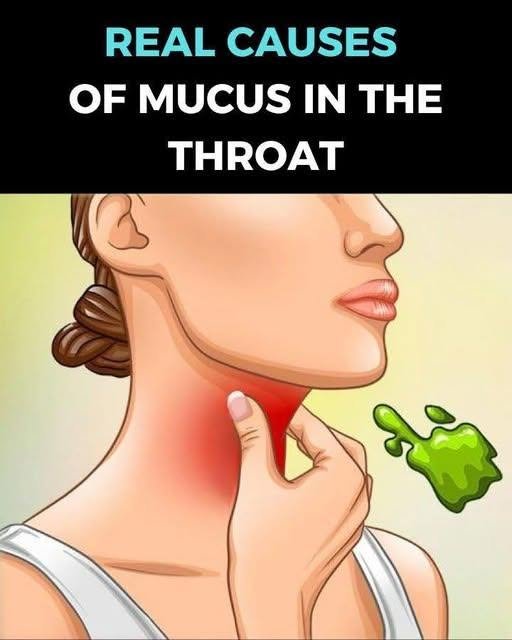
The Real Causes of Constant Phlegm and Mucus in Throat and How to Get Rid of It

September 6, 2026September 6, 2026

Constant mucus or phlegm in the throat is common, but it isn’t always caused by an infection. The most likely causes depend on whether you also have congestion, heartburn, cough, allergies, or other symptoms. Common causes Postnasal drip — mucus from the nose or sinuses drains down the back of the throat. Allergies, colds, sinus …

Read More
Blog

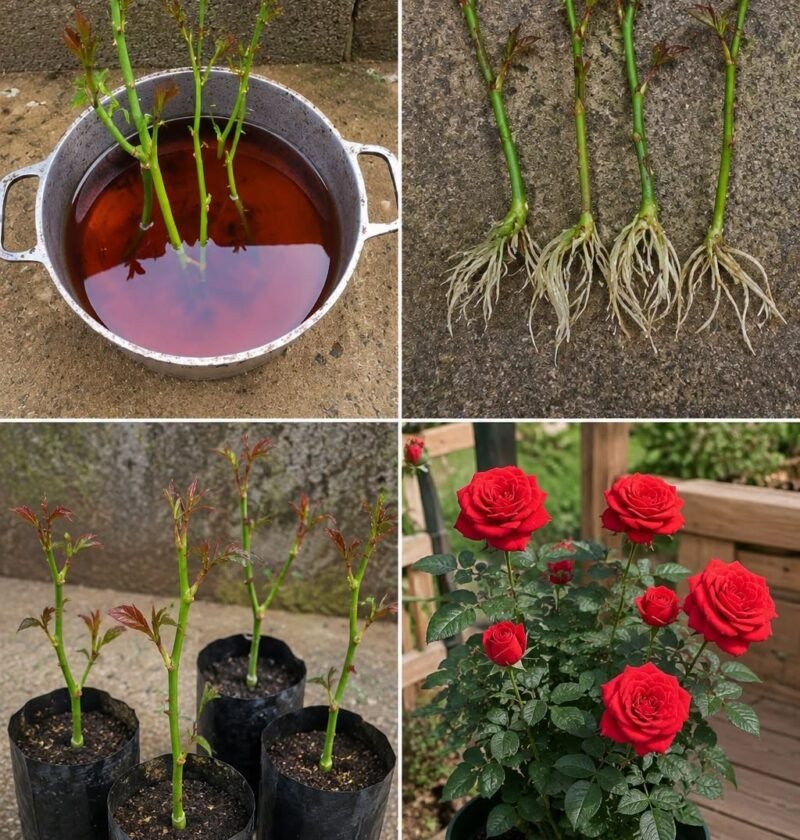
Grow Roses from Cuttings Easily with This 1-Cup Natural Trick

September 6, 2026September 6, 2026

If you’re trying to propagate roses from cuttings, there isn’t a scientifically proven “1-cup natural trick” that guarantees roots. But you can successfully grow roses from cuttings with a simple method—and you don’t need unusual kitchen ingredients. 🌹 Easy rose-cutting method Choose a healthy stem Take a 15–20 cm cutting from a healthy, non-flowering or …

Read More
Blog

Just 1 Cup Makes Peace Lily Bloom Like Crazy (Even the Ugly Ones)

September 6, 2026September 6, 2026

If you’re referring to the viral “one cup” trick for peace lilies, be careful: there isn’t a magic liquid that reliably makes a struggling peace lily bloom. For a healthier plant and better flowering, try this instead: Give it bright, indirect light. Too little light is one of the most common reasons peace lilies don’t …

Read More
Blog

The hardest time of life is between 70 and 75 years old. Here are 5 reasons why…

September 6, 2026September 6, 2026

The idea that 70–75 is universally the hardest period of life isn’t supported by evidence. People experience aging very differently, and many report high life satisfaction later in life. However, the early 70s can bring some real challenges. 5 reasons the early 70s can feel difficult Changes in physical ability Muscle mass, strength, balance, hearing, …

Read More
Blog

How to Pick the Sweetest Watermelon Every Time: Simple Tips That Really Work

September 6, 2026September 6, 2026

How to Pick the Sweetest Watermelon Every Time You can’t know a watermelon’s exact sweetness from the outside, but a few clues can improve your odds considerably. Look for a large, creamy-yellow field spot. This is the area where the melon rested on the ground. A yellow or orange-yellow spot generally indicates it had time …

Read More
Blog

Vitamin D Supplements: 4 Warning Signs You May Be Taking Too Much

September 6, 2026September 6, 2026

That headline is a little too strong: four symptoms alone cannot prove vitamin D toxicity. Too much vitamin D from supplements can raise calcium levels in the blood, causing a recognizable group of symptoms. ODS+1 4 warning signs of too much vitamin D Nausea or vomiting — especially when persistent or accompanied by poor appetite. …

Read More
Blog

How to wash yellowed pillows: 3 tips to keep them white and new

September 6, 2026September 6, 2026

If your pillows have turned yellow from sweat, body oils, and moisture, you can often freshen them up with a few simple steps. Check the care label first, because washing instructions vary by pillow type. 3 tips to whiten yellowed pillows Pre-treat the yellow areas Mix a small amount of liquid laundry detergent with warm …

Read More
Blog

A month before a heart attack, your feet warn you of these six signs.

September 6, 2026September 6, 2026

That claim is misleading. Your feet can sometimes show signs of circulation or fluid problems, but there are no six specific foot symptoms that reliably predict a heart attack one month in advance. Some foot/leg changes that deserve medical attention include: New or persistent swelling in both feet or ankles, which can occur with fluid …

Read More
Blog

Las verrugas se caen como hojas con este sencillo tratamiento casero…

September 6, 2026September 6, 2026

Si te refieres a ese titular viral, hay que tener cuidado con la promesa: no existe un tratamiento casero universal que haga que las verrugas “se caigan como hojas” de forma segura. ¿Qué puede funcionar realmente? Para las verrugas comunes, el tratamiento casero con mejor respaldo es el ácido salicílico de venta libre. Se utiliza …

Read More
Blog

If you have these lines on your nails after 40, it is a clear sign that..

September 6, 2026September 6, 2026

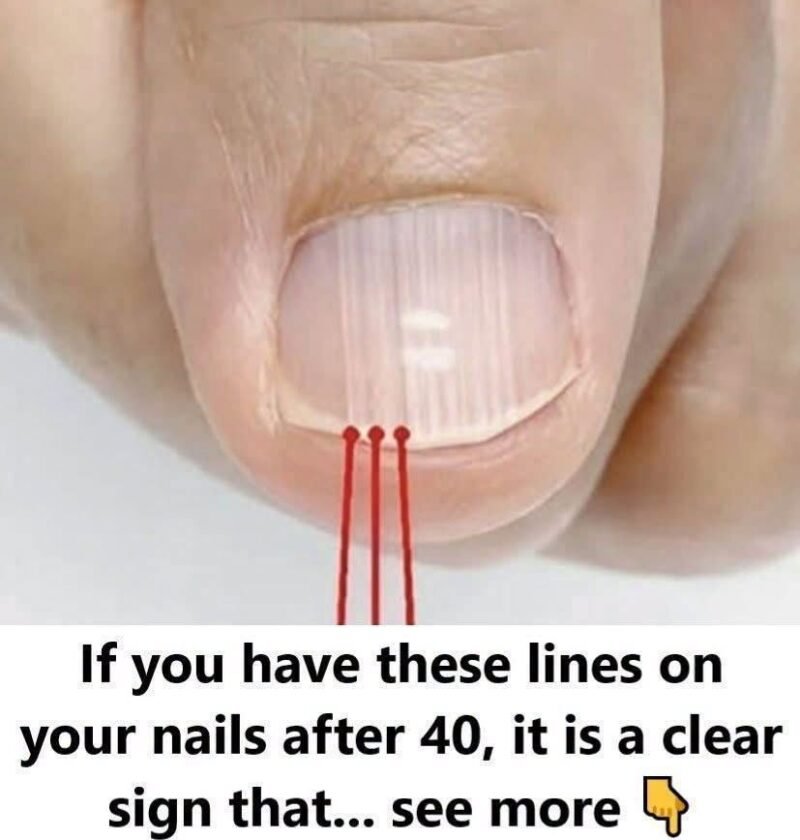
If you mean the viral claim about lines or ridges on fingernails after age 40, there isn’t one specific nail line that is automatically a “clear sign” of a disease or deficiency. Vertical ridges (running from the cuticle toward the tip) become more common with aging and are often harmless. Horizontal grooves/lines (Beau’s lines) can …

Read More

Posts pagination

Previous Page 1 … Page 258 Page 259 Page 260 … Page 276 Next

Recent Posts

  • 23 Strange Signs Your Kidneys Might Be in Trouble
  • NEVER Use Magnesium If You Are Taking Any of the Following Medications
  • When a stroke occurs, every minute counts. Millions of brain cells die every minute blood flow is interrupted, making rapid intervention critical to preventing permanent disability or death. Medical guidelines outline precise steps for what to do during the crucial first hours—both at the scene and inside the hospital. — ### Phase 1: At the Scene (First Few Minutes) #### 1. Recognize the Signs Using **BE FAST** Swift action begins with identifying the symptoms. Look for: * **B – Balance:** Sudden loss of balance or coordination. * **E – Eyes:** Sudden blurred vision or loss of sight in one or both eyes. * **F – Face:** One side of the face droops or feels numb. Ask the person to smile. * **A – Arms:** One arm drifts downward or feels weak/numb when both are raised. * **S – Speech:** Slurred speech, strange words, or inability to speak or understand. * **T – Time:** Note the **exact time** the symptoms first started (or when the person was last seen acting normally). This time window dictates medical options. #### 2. Call Emergency Services Immediately (Call 911 or Local Emergency Number) * **Do not wait** to see if symptoms improve. * **Do not drive the person to the hospital yourself.** Always call an ambulance. Emergency medical technicians (EMTs) begin life-saving assessment and care en route, and they notify the hospital in advance so a specialized stroke team can prepare. #### 3. Immediate Do’s and Don’ts While Waiting * **Do keep the person safe and comfortable:** Lay them down on their side (recovery position) if they are unconscious or vomiting, with their head slightly elevated, to keep their airway clear. * **Do NOT give food, water, or medication:** A stroke often impairs swallowing, creating a severe choking hazard. This includes **no aspirin**, as giving a blood thinner blindly can be fatal if the stroke is caused by bleeding (hemorrhagic). * **Do stay calm and monitor them:** Reassure the person and watch their breathing closely until help arrives. — ### Phase 2: Inside the Hospital (The “Golden Hour” & Beyond) Upon arrival at a stroke-ready center, a fast-track protocol activates to diagnose and treat the stroke: * **Rapid Brain Imaging (Door-to-CT):** Within minutes, doctors perform a non-contrast CT scan or MRI. This critical step distinguishes whether the stroke is **ischemic** (blocked blood vessel) or **hemorrhagic** (bleeding in the brain), because treatments for the two are entirely opposite. * **Treating Ischemic Strokes (Clot-Busting):** * If it is a blood clot and the patient arrives within **3 to 4.5 hours** of symptom onset, they may receive an intravenous medication called tissue plasminogen activator (tPA) to dissolve the clot. * For large vessel blockages, a procedure called a **mechanical thrombectomy** (physically removing the clot via a catheter) can often be performed up to 6 to 24 hours after symptom onset in eligible patients. * **Treating Hemorrhagic Strokes (Brain Bleeds):** * Doctors focus on rapidly lowering blood pressure, reversing any blood thinners the patient might already be taking, and relieving pressure on the brain, sometimes requiring emergency neurosurgery. *Is someone currently experiencing these symptoms, or are you looking for general medical guidance? If there is an active emergency, please ensure emergency services have been called right away.*
  • What to Do If You Start Seeing Eye Floaters: An Eye Doctor’s Helpful Guide
  • Try these hacks when your key fob stops working

Recent Comments

No comments to show.

Archives

  • October 2026
  • September 2026

Categories

  • Blog
© Copyright 2026 YUMMY RECIPESS. All Rights Reserved. Blossom Recipe | Developed By Blossom Themes. Powered by WordPress.