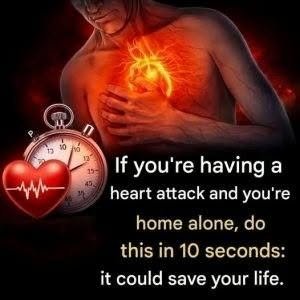
Viral social media posts love to push sensationalized “miracle hacks” for surviving a heart attack at home—most famously, the viral myth about performing aggressive “cough CPR” on yourself over and over to force your heart to beat.
Cardiologists and emergency medicine experts want everyone to know: Viral “cough CPR” tricks are largely a myth and can actually be dangerous. When a person is experiencing a true cardiac emergency, precious seconds cannot be wasted on internet hacks.
The Real 10-Second Actions That Actually Save Lives
If you or someone around you shows classic signs of a heart attack (such as sudden crushing chest pain, tightness radiating down the arm or jaw, shortness of breath, cold sweats, or sudden lightheadedness), skip the online myths and take these evidence-based steps immediately:
-
Call Emergency Services Instantly (0–10 Seconds):
-
This is the single most critical action. Call your local emergency number (like 911 or 112) right away. Paramedics carry life-saving equipment and medications that can restart or stabilize a heart; a home remedy cannot replace professional medical care.
-
-
Chew an Aspirin (If Available and Approved):
-
If the person is conscious, not allergic to aspirin, and has not been told by a doctor to avoid it, chewing (not just swallowing) a regular uncoated aspirin can help slow blood clotting and keep blood flowing past a blocked coronary artery.
-
-
Sit Down and Stay Calm:
-
Exertion forces the heart to work harder. Stop whatever you are doing, sit down on the floor or a comfortable chair, loosen any tight clothing, and try to remain as calm as possible while waiting for help.
-
What to Do If Someone Loses Consciousness
If a person collapses, stops breathing normally, or becomes unresponsive during a suspected heart attack, they may have gone into cardiac arrest:
-
Start Hands-Only CPR: Push hard and fast in the center of the person’s chest (at a rate of 100 to 120 beats per minute, roughly to the beat of the song “Stayin’ Alive”).
-
Find an AED: If an Automated External Defibrillator is nearby, retrieve it immediately and follow its voice prompts.
Are you looking for basic first-aid preparedness tips for your home, or checking out safety guidelines for a specific health concern?