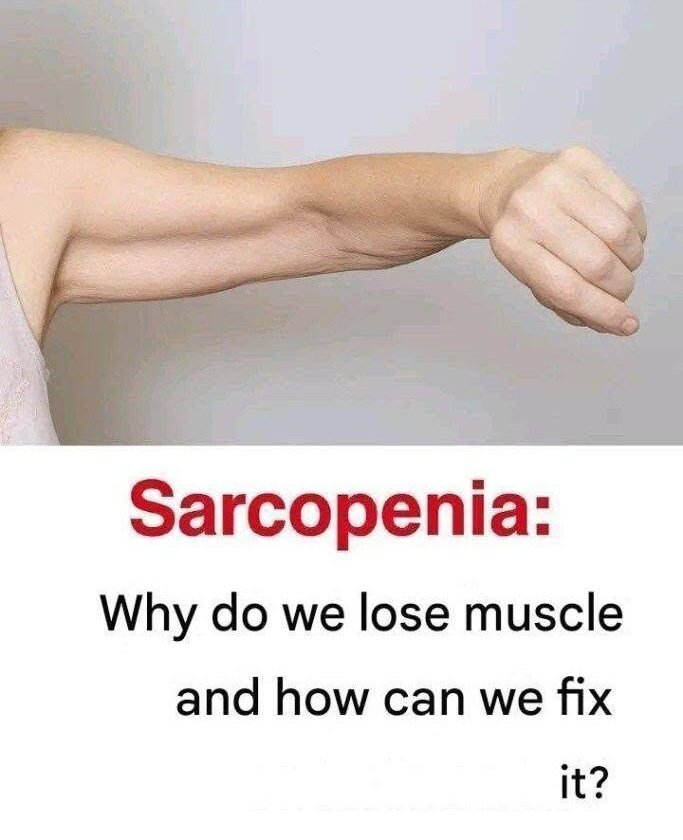
As we age, it is common to notice a gradual decrease in overall strength—whether it is taking a bit more effort to stand up from a deep couch, open a tight jar lid, or carry groceries inside. When this muscle weakening goes beyond normal aging and involves a significant, progressive loss of muscle mass and physical function, it is medically known as sarcopenia.
Geriatricians and sports medicine specialists emphasize that while muscle loss naturally accelerates as we get older, sarcopenia is not an inevitable fate. Understanding what drives it—and how to counter it—can keep you strong, independent, and active for decades to come.
What Causes Sarcopenia?
Muscle tissue is dynamic; it is constantly breaking down and rebuilding itself. Sarcopenia happens when the rate of muscle breakdown begins to outpace the body’s ability to rebuild. Several key factors drive this shift:
-
Age-Related Hormonal Shifts: As people age, levels of anabolic (muscle-building) hormones—such as testosterone, growth hormone, and insulin-like growth factor—naturally decline. Without these chemical signals, muscle cells receive fewer instructions to grow and repair.
-
Decreased Physical Activity (Disuse): This is often the biggest driver. If you don’t regularly challenge your muscles with resistance or weight-bearing activity, your body realizes that maintaining bulky, high-energy-consuming muscle tissue is “inefficient,” so it gradually lets it atrophy.
-
Inadequate Protein Intake: Older adults often eat less overall or consume meals low in high-quality protein. Furthermore, aging muscles become somewhat “resistant” to protein, meaning older bodies require a slightly higher concentration of amino acids (specifically leucine) to trigger muscle protein synthesis compared to younger bodies.
-
Chronic Low-Grade Inflammation: Persistent, low-level systemic inflammation—often linked to aging, visceral fat, or chronic health conditions—interferes with the body’s muscle-repair pathways, gradually breaking down muscle fibers over time.
How to Prevent and Reverse Sarcopenia
The incredible news is that muscle tissue remains remarkably responsive to the right inputs, no matter your age. Studies show that individuals in their 70s, 80s, and beyond can successfully rebuild strength and muscle mass. The solution comes down to two primary pillars:
1. Progressive Resistance Training (The Ultimate Medicine)
Walking, gardening, and daily chores are fantastic for general health, but they aren’t enough to combat muscle loss on their own.
-
The Solution: You need resistance training—forcing your muscles to work against an opposing force. This can include lifting dumbbells, using resistance bands, working out on weight machines, or even doing bodyweight exercises like chair squats and wall push-ups.
-
Progressive Overload: The key is gradually increasing the challenge over time (adding a bit more weight, extra repetitions, or more resistance) to stimulate the muscle fibers to repair and grow stronger.
2. Optimized Protein Consumption
To rebuild muscle, your body needs the raw building blocks (amino acids).
-
Higher Targets: Many older adults fall short of optimal protein intake. Nutritionists often recommend aiming for roughly 1.0 to 1.2 grams of protein per kilogram of body weight daily (or even slightly higher under medical guidance).
-
Spread It Out: Instead of eating a massive amount of protein at dinner and very little at breakfast, spread your intake evenly across your meals. Aim for about 25 to 30 grams of high-quality protein (like eggs, poultry, fish, Greek yogurt, tofu, or lean meat) per meal to consistently trigger muscle synthesis