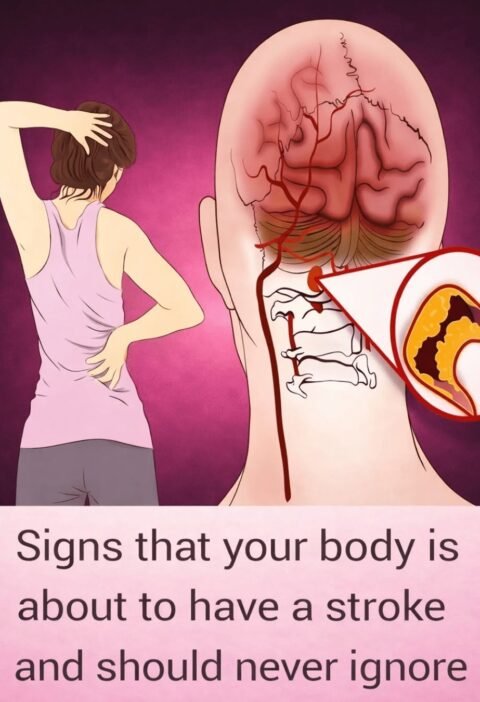
Sensationalist articles and health clickbait love to promise a list of “5 symptoms that warn your cholesterol is too high”—ranging from eye twitches to leg cramps or mysterious skin spots.
However, cardiologists and primary care physicians emphasize a critical medical reality: High cholesterol has virtually no symptoms at all.
It is often called a “silent condition” because fatty deposits (plaque) can build up inside your arteries for decades without making you feel sick, tired, or unusual in your day-to-day life.
Why the “Symptoms” Myth Persists
When online lists do try to point to physical signs of high cholesterol, they usually mistake very rare, advanced physical markers or entirely unrelated issues for everyday symptoms:
-
Xanthomas (Rare Skin Deposits): In people with severe, often genetic forms of high cholesterol (like familial hypercholesterolemia), yellowish fatty deposits can form under the skin, around the eyelids (xanthelasma), or as bumps on the tendons. While this is a real medical sign, it only appears in a tiny fraction of people with elevated cholesterol.
-
Arcus Senilis: A white, grey, or blue opaque ring around the cornea of the eye. While sometimes associated with high cholesterol in younger people, it is extremely common as a normal part of aging and isn’t a reliable daily indicator of lipid levels.
By the time high cholesterol does manifest with overt symptoms—such as chest pain (angina), a heart attack, or a stroke—it has already progressed to advanced cardiovascular disease where significant arterial blockage has occurred.
How Do You Actually Know Your Cholesterol is High?
Because there are no physical warning signs, doctors rely entirely on objective screening rather than waiting for symptoms to appear.
-
The Lipid Panel: A simple, routine blood test taken after a fast measures your total cholesterol, LDL (“bad” cholesterol), HDL (“good” cholesterol), and triglycerides.
-
When to Get Tested: Current guidelines recommend that adults get their cholesterol checked starting around age 20, and routinely thereafter (typically every 4 to 6 years, or more frequently if you have risk factors like diabetes, high blood pressure, or a family history of heart disease).
The Takeaway
Waiting to feel symptoms of high cholesterol is a dangerous game. The only way to know your numbers is to talk to your doctor and run a standard lipid panel.
Have you had a routine cholesterol check recently, or were you looking into ways to track your cardiovascular health?