Let’s pull back the curtain and dive deeper into some of the most fascinating mechanisms behind how our bodies work, everyday nature, and the science that makes these facts so incredible!
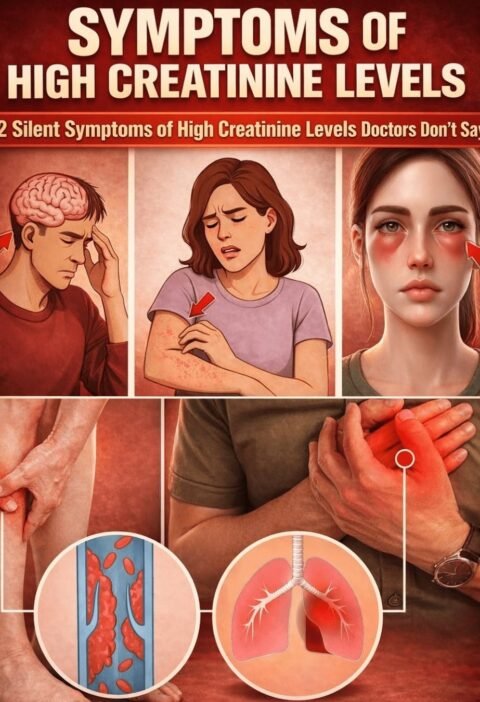
1. The Kidney’s Microscopic Filtration Marvel
Your kidneys are arguably the hardest-working organs in your body, and their internal architecture is nothing short of an engineering masterpiece.
-
The Nephon Network: Inside each of your two kidneys are about one million tiny filtering units called nephrons.
-
Mind-Blowing Volume: Every single day, your kidneys filter about 180 quarts of blood—reabsorbing almost all of it (about 178 quarts) and processing the remaining 1 to 2 quarts into waste (urine).
-
The Blood Pressure Connection: This is why high blood pressure is so damaging to them. The nephrons rely on a delicate, high-pressure network of microscopic blood vessels (capillaries) called glomeruli. When blood pressure stays too high, it essentially “blows out” or scars these fragile filters, leading to the protein leaks and toxin buildups mentioned earlier.
2. Why Morning Hydration Feels Like a System Reboot
Drinking a large glass of water first thing in the morning isn’t just about quenching thirst; it actually triggers a cascade of physiological shifts after 7 to 8 hours of fasting:
-
The Osmotic Shift: Overnight, your body continues to lose water through respiration (breathing) and minor perspiration, causing your blood volume to drop slightly and your blood concentration (osmolarity) to rise.
-
Waking Up the Viscera: Introducing room-temperature water on an empty stomach triggers the gastrocolic reflex, waking up your digestive tract and signaling your large intestine to prepare for morning elimination.
-
The Metabolic Spike: Studies show that drinking 500 ml of water increases blood flow and temporarily ramps up metabolic thermogenesis by up to 30% as your cells rehydrate and optimize their baseline energy production.
3. The B12 Mystery: Why Deficiency Takes Years to Show Up
Vitamin B12 is unique among vitamins because of how your liver stores it.
-
The Liver Vault: Unlike water-soluble vitamins that flush out quickly if you have an excess, your liver can store several years’ worth of vitamin B12.
-
The Slow Burn: When someone shifts to a diet lacking B12 (like strict veganism without supplementation) or develops an absorption issue, they won’t feel symptoms immediately. Their body quietly draws from the liver’s savings account. It can take two to five years for those stores to fully deplete before the neurological “pins and needles” or profound fatigue finally hit.
4. Why Toads Hang Around Our Porches
From a behavioral ecology standpoint, a toad showing up at your doorstep isn’t random luck—it’s a masterclass in opportunistic survival:
-
The Lateral Line and Vibration: Amphibians are incredible at sensing ground vibrations. Footsteps, heavy appliances near a door, or even the hum of a home can signal movement.
-
The Light-Bugs Loop: By keeping a porch light on, you are artificially creating a nocturnal food chain. Moths are drawn to the ultraviolet spectrum of the light bulb, beetles drop to the ground when they hit the glass, and toads—sitting quietly in the shadows—become the apex predators of your welcome mat.