-
You said:
Add it to your cream and blemishes on your face will be a distant memory.
-
ChatGPT said:
If you want this polished as a skincare ad line:
Polished skincare line Add it to your cream, and blemishes on your face could become a distant memory.
I softened the claim slightly because “blemishes will be a distant memory” sounds like a guaranteed result.
-
You said:
Add it to your cream and blemishes on your face will be a distant memory. detail
-
ChatGPT said:
The sentence means:
“Mix or add this ingredient/product to your face cream, and your blemishes may gradually become much less noticeable.”
Phrase-by-phrase
-
“Add it to your cream” — Put the mentioned ingredient or product into your skincare cream.
-
“Blemishes on your face” — Spots, pimples, acne marks, dark spots, or other visible skin imperfections.
-
“Will be a distant memory” — A figurative way of saying the blemishes will supposedly disappear or become much less noticeable.
Overall meaning
It is a promotional skincare claim suggesting that adding a particular ingredient to a cream can improve the appearance of facial blemishes.
If this is intended for an advertisement, a more cautious version would be:
“Add it to your cream to help reduce the appearance of blemishes and leave your skin looking clearer.”
This avoids implying that the product is guaranteed to eliminate blemishes.
-
-
You said:
5 Signs of a Mini Stroke in the Elderly
-
ChatGPT said:
A mini-stroke, medically called a transient ischemic attack (TIA), happens when blood flow to part of the brain is temporarily blocked. Its symptoms can look exactly like a stroke, even if they disappear within minutes or hours.
5 important signs
-
Sudden weakness or numbness
-
Especially on one side of the face, arm, or leg.
-
One side of the face may droop or feel unusual.
-
-
Sudden trouble speaking or understanding
-
Slurred speech, difficulty finding words, or suddenly not understanding what others are saying.
-
-
Sudden vision problems
-
Blurred or lost vision in one or both eyes, or double vision.
-
-
Sudden dizziness or trouble walking
-
New loss of balance, difficulty coordinating movements, or unexplained dizziness.
-
-
Sudden severe headache or confusion
-
A sudden, unusual headache or abrupt confusion can occur, particularly when accompanied by other neurological symptoms.
-
🚨 Don’t wait for symptoms to disappear
A TIA is a medical emergency and a warning sign of a possible major stroke. If an elderly person suddenly develops any of these symptoms, call your local emergency medical service immediately, even if the symptoms go away.
A useful way to remember common stroke symptoms is FAST:
-
F — Face: Is one side drooping?
-
A — Arms: Can they raise both arms normally?
-
S — Speech: Is speech suddenly slurred or strange?
-
T — Time: Get emergency medical help immediately.
If you’re asking because someone is experiencing these symptoms right now, tell me what symptoms they have and when they started—but don’t delay emergency care while waiting for a response.
-
-
You said:
Bananas Last 10 Days Longer When Stored with One Kitchen Item Instead of in a Fruit Bowl
-
ChatGPT said:
If you’re looking for the meaning/details of that headline, it’s saying that bananas may stay fresh longer when stored with a particular kitchen item rather than simply sitting in a fruit bowl.
The kitchen item is likely plastic wrap or a reusable banana hanger/bag, depending on the specific tip being referenced. The idea behind many banana-storage hacks is to slow the movement of ethylene gas, a natural plant hormone that accelerates ripening.
Why bananas ripen quickly
Bananas produce ethylene, especially as they mature. Keeping them in a confined space with other ripe fruit can expose them to more ethylene and speed up ripening.
About the “10 days longer” claim
That wording is quite strong. Bananas generally won’t reliably last 10 extra days simply because of one storage trick; the result depends on temperature, ripeness, humidity, and the storage method.
A more accurate headline would be:
“This Simple Kitchen Storage Trick May Help Your Bananas Stay Fresh Longer”
If you tell me the kitchen item mentioned in the original article/video, I can explain exactly how the method works and whether the “10 days longer” claim is credible.
-
You said:
Things You Should Never Plug Into A Power Strip
-
ChatGPT said:
A power strip is designed for devices that draw relatively modest amounts of electricity. Plugging high-power appliances into one can overload the strip, cause overheating, or create it with a power strip. When in doubt, use a properly grounded wall outlet on a fire risk.
Things you generally shouldn’t plug into a power strip
-
Space heaters — They can draw a large amount of power continuously and are a common overload risk.
-
Air conditioners — Especially portable or window units; their startup and running current can be too much for a typical power strip.
-
Refrigerators and freezers — Their compressors have significant startup loads, so a wall outlet is generally preferable.
-
Microwaves — They typically consume substantial power and should normally be connected directly to an appropriate wall outlet.
-
Electric ovens or hot plates — Heating appliances can draw very high current.
-
Washing machines and dryers — Their motors and heating elements can place heavy demands on electrical circuits.
-
Dishwashers — Heating elements can create a substantial electrical load.
-
Large power tools — Saws, compressors, and similar equipment can have high startup currents.
-
Another power strip or extension cord — “Daisy-chaining” strips can increase the risk of overloading the circuit.
A good rule
If an appliance heats, cools, or uses a powerful motor, check its manual and electrical requirements before using it with a power strip. When in doubt, use a properly grounded wall outlet on an appropriately rated circuit.
Also, never exceed the power strip’s rated current/wattage, and don’t use a damaged, hot, buzzing, or visibly worn strip.
If you want, I can also give you a list of 10 everyday devices that are safe to plug into a power strip.
-
-
You said:
Doctor Uncovers A Telltale Sign In Your Fingernails That May Predict Your Life Expectancy
-
ChatGPT said:
This headline is referring to the idea that changes in the fingernails may sometimes provide clues about a person’s overall health. However, fingernails cannot reliably predict an individual’s life expectancy.
One commonly discussed finding is nail clubbing—when the fingertips become enlarged and the nails curve more prominently around the fingertips. Clubbing can be associated with certain heart, lung, gastrointestinal, or other medical conditions. It is a clinical sign, not a countdown of how long someone will live.
Other nail changes, such as unusual discoloration, grooves, brittleness, or changes in thickness, can also have many causes ranging from minor trauma or nutritional issues to underlying disease.
So a more medically accurate interpretation of the headline would be:
“A Fingernail Change May Provide Clues About Certain Underlying Health Conditions—but It Cannot Predict Your Life Expectancy.”
If you have a specific fingernail sign in mind (for example, a dark line, white spots, ridges, or clubbing), describe what it looks like and I can explain what it can mean.
-
You said:
This is how to have geraniums full of flowers: you have to water them like this to keep them always leafy.
-
ChatGPT said:
This headline is essentially saying that the way you water geraniums can affect how leafy and flower-filled they remain.
What it means
Geraniums generally do best when they receive consistent but not excessive watering. The goal is to keep the soil from becoming bone-dry for long periods while also avoiding constantly wet roots.
A practical approach:
-
Check the soil first. Water when the upper layer feels dry rather than following a rigid daily schedule.
-
Water thoroughly. Give enough water for some to drain from the bottom of the pot.
-
Empty excess water from a saucer so the roots aren’t sitting in water.
-
Water the soil, not the leaves and flowers, preferably in the morning.
-
Use a pot with drainage holes. Poor drainage can lead to root problems and yellowing leaves.
-
Don’t overwater. Constantly wet soil can reduce flowering and cause root rot.
-
For abundant flowers, watering is only part of the equation—bright sunlight, regular feeding, deadheading, and occasional pruning also matter.
So the phrase “water them like this to keep them always leafy” is promotional wording rather than a guarantee. There isn’t one special watering technique that will keep geraniums permanently leafy and flowering; their needs change with temperature, sunlight, pot size, and soil conditions.
-
-
You said:
What the Color of Your Urine Can Tell You About Your Health
-
ChatGPT said:
Urine color can provide useful clues about hydration and sometimes health, but color alone usually cannot diagnose a medical condition.
Common urine colors and what they can mean
-
🟨 Pale yellow: Usually normal and often indicates adequate hydration.
-
🟡 Dark yellow/amber: Often means your urine is concentrated, commonly because you haven’t had enough fluids.
-
⚪ Very clear/colorless: Can happen when you’ve consumed a lot of fluid. Persistently excessive thirst and very frequent clear urination can warrant medical evaluation.
-
🟠 Orange: May result from dehydration, certain medications, or occasionally liver/bile-duct problems.
-
🩷 Pink or red: Can be caused by foods such as beets, but it can also indicate blood in the urine. Unexplained red or pink urine should be medically assessed.
-
🟤 Brown or cola-colored: Can occur with severe dehydration, certain medications or foods, or problems involving the liver, kidneys, or muscles. New unexplained brown urine deserves prompt medical attention.
-
🟢/🔵 Green or blue: Uncommon. Certain medications, dyes, or infections can sometimes cause these colors.
-
☁️ Cloudy/milky: May occur with dehydration or minerals in the urine, but can also be associated with a urinary infection or other conditions, particularly if accompanied by burning, urgency, fever, or pain.
When to seek medical care
Don’t rely on urine color alone. Blood in the urine, persistent unusual discoloration, severe pain, fever, jaundice (yellow skin/eyes), or markedly reduced urine output should be evaluated by a healthcare professional.
Also, some vitamins—particularly B vitamins—can make urine bright yellow, which is usually harmless.
If you tell me what color your urine is and whether you have any other symptoms, I can explain the most likely possibilities.
-
-
You said:
If you have small white spots on your arms or legs, it’s a clear sign that…
-
ChatGPT said:
Small white spots on the arms or legs are not a “clear sign” of one specific condition. Several different causes can produce them, and the appearance, location, and whether they are scaly or spreading matter.
Common possibilities include:
-
Idiopathic guttate hypomelanosis (IGH): Small, flat, pale/white spots, often on sun-exposed arms and legs. They are usually harmless and become more common with age and cumulative sun exposure.
-
Tinea versicolor: A superficial fungal infection that can cause lighter patches, sometimes with fine scaling.
-
Post-inflammatory hypopigmentation: Lighter areas left behind after eczema, irritation, insect bites, or another skin inflammation.
-
Vitiligo: Areas of pigment loss that can become distinctly white and may gradually enlarge or appear in additional locations.
So, a safer version of that headline would be:
“Small White Spots on Your Arms or Legs Can Have Several Causes—Here’s What They May Mean.”
If the spots are new, rapidly spreading, completely white, itchy/scaly, or accompanied by other skin changes, a dermatologist can usually determine the cause by examining them.
-
-
You said:
Important Warning from Doctors: Stop Taking Vitamin D Immediately If You Have These 4 Symptoms
-
ChatGPT said:
That headline is misleading as written. Vitamin D is important for bone and muscle health, but taking too much vitamin D can cause vitamin D toxicity (hypervitaminosis D), usually because of excessive supplementation rather than normal dietary intake or sunlight exposure.
4 symptoms that can occur with too much vitamin D
-
Nausea or vomiting
-
Loss of appetite
-
Excessive thirst and frequent urination
-
Weakness, fatigue, or confusion
These symptoms can occur because excessive vitamin D can raise calcium levels in the blood (hypercalcemia). Severe toxicity can cause kidney problems, abnormal heart rhythms, and other complications.
Should you “stop immediately”?
Don’t automatically stop a prescribed vitamin D treatment based on symptoms alone. If you suspect you’re taking too much, contact a healthcare professional promptly and tell them the dose and how long you’ve been taking it. They may check your calcium and vitamin D levels and kidney function.
For adults, the commonly cited tolerable upper intake level for vitamin D is 4,000 IU (100 micrograms) per day from all sources, although clinicians may prescribe higher doses temporarily for documented deficiency.
Emergency symptoms such as severe confusion, repeated vomiting, extreme weakness, dehydration, or an abnormal heartbeat warrant urgent medical attention.
-
-
You said:
Waking up with dry mouth? Here’s what your body might be telling you 1
-
ChatGPT said:
Waking up with a dry mouth is common and usually isn’t a sign of one specific disease. It often means your mouth wasn’t producing enough saliva overnight or you were breathing through your mouth.
What it can mean
-
Mouth breathing — A blocked nose, allergies, congestion, or sleeping with your mouth open can dry out the mouth.
-
Dehydration — Not drinking enough fluids, particularly after sweating or illness, can contribute.
-
Medications — Many medicines can reduce saliva production, including some antihistamines, antidepressants, and blood-pressure medications.
-
Snoring or sleep apnea — Repeated mouth breathing during sleep can leave you with a very dry mouth in the morning. Loud snoring, gasping during sleep, morning headaches, and significant daytime sleepiness are reasons to discuss sleep apnea with a doctor.
-
Medical conditions — Persistent dry mouth can sometimes occur with diabetes or conditions affecting the salivary glands.
What you can do
Drink enough water during the day, address nasal congestion if present, avoid excessive alcohol and tobacco, and consider a humidifier if your bedroom air is very dry. Good dental hygiene is particularly important because reduced saliva increases the risk of cavities.
If the dryness is persistent, severe, accompanied by excessive thirst/frequent urination, difficulty swallowing, or significant snoring/gasping, it’s worth getting evaluated rather than assuming it’s simply dehydration.
-
-
You said:
These visible signs may be hiding liver disease
-
ChatGPT said:
Liver disease can sometimes develop without obvious symptoms, especially in its early stages. When signs do appear, some can be visible on the skin, eyes, or body—but none of these signs alone proves that someone has liver disease.
Visible signs that can occur
-
Yellowing of the eyes or skin (jaundice): Can happen when bilirubin builds up. It can also have causes unrelated to the liver.
-
Abdominal swelling: Fluid accumulation in the abdomen (ascites) can occur in advanced liver disease.
-
Swollen legs or ankles: Fluid retention can accompany significant liver dysfunction.
-
Easy bruising or bleeding: Advanced liver disease can interfere with production of proteins involved in blood clotting.
-
Spider-like blood vessels: Small, branching red vessels called spider angiomas can occur with chronic liver disease, although they can also occur in healthy people.
-
Red palms (palmar erythema): Persistent redness of the palms can be associated with liver disease but isn’t specific to it.
-
Itchy skin: Liver or bile-flow problems can sometimes cause widespread itching, even without a visible rash.
-
Dark urine and unusually pale stools: Changes in bile processing can produce these findings.
When to get checked
If someone develops yellow skin or eyes, significant abdominal swelling, unexplained bleeding, confusion, or vomiting blood, they should receive medical attention promptly.
Liver disease is often identified more reliably through medical history, blood tests, and sometimes ultrasound or other imaging, rather than appearance alone.
-
-
You said:
Don’t Ignore Leg Cramps at Night. Here’s What You Should Know.
-
ChatGPT said:
Nighttime leg cramps are common and often harmless, but frequent or severe cramps can sometimes point to an underlying issue.
What causes nighttime leg cramps?
-
Muscle fatigue or overuse: Long periods of standing, walking, or exercise can contribute.
-
Dehydration: Losing fluids through sweating or not drinking enough can make cramps more likely.
-
Certain medications: Some medicines, including certain diuretics and cholesterol-lowering drugs, can be associated with muscle cramps.
-
Pregnancy and aging: Both can increase the likelihood of nighttime cramps.
-
Nerve or circulation problems: Conditions affecting nerves or blood flow can sometimes contribute.
-
Electrolyte abnormalities: Low levels of minerals such as potassium, calcium, or magnesium can sometimes play a role, although taking supplements isn’t automatically the solution.
What to do when a cramp happens
Gently stretch and massage the affected muscle. For a calf cramp, straighten your leg and gently pull your toes toward you. Standing and putting some weight on the affected leg can also help.
Staying adequately hydrated and gently stretching your calves before bed may reduce recurrence for some people.
When should you see a doctor?
Talk to a healthcare professional if cramps are frequent, increasingly painful, disrupting your sleep, or accompanied by muscle weakness, numbness, swelling, or changes in the skin.
Urgent evaluation is appropriate for a leg that suddenly becomes swollen, red, warm, and painful—particularly if the symptoms are predominantly on one side—or if leg symptoms occur with chest pain or shortness of breath. These can indicate a blood clot or another serious problem and aren’t typical nighttime muscle cramps.
-
-
You said:
Weak or Brittle Nails: What Your Body Is Trying to Tell You
-
ChatGPT said:
Weak or brittle nails are common and usually have a simple explanation, but persistent nail changes can sometimes provide clues about an underlying health problem. They aren’t, by themselves, a reliable way to diagnose a disease.
What brittle nails can be associated with
-
Frequent water or chemical exposure: Repeated washing, detergents, cleaning products, or nail-polish remover can make nails dry and fragile.
-
Aging: Nails often become thinner and more brittle with age.
-
Nutritional deficiencies: Iron deficiency and, less commonly, deficiencies involving other nutrients can contribute to nail changes.
-
Thyroid disorders: Both an underactive and overactive thyroid can sometimes affect nail growth and texture.
-
Fungal infections: These may cause nails to become thick, crumbly, discolored, or separated from the nail bed.
-
Skin conditions: Psoriasis, eczema, and other inflammatory conditions can affect the nails.
-
Repeated trauma: Nail biting, picking, manicures, or physical injury can cause splitting and breakage.
When to get checked
See a healthcare professional if nail changes are new, persistent, affecting several nails, or accompanied by fatigue, hair loss, changes in weight, skin changes, or other symptoms. A clinician may examine the nails and order blood tests when appropriate.
One important point: don’t automatically start iron, biotin, or other supplements just because your nails are brittle. Supplements are most useful when a genuine deficiency or another medical reason has been established.
-
-
You said:
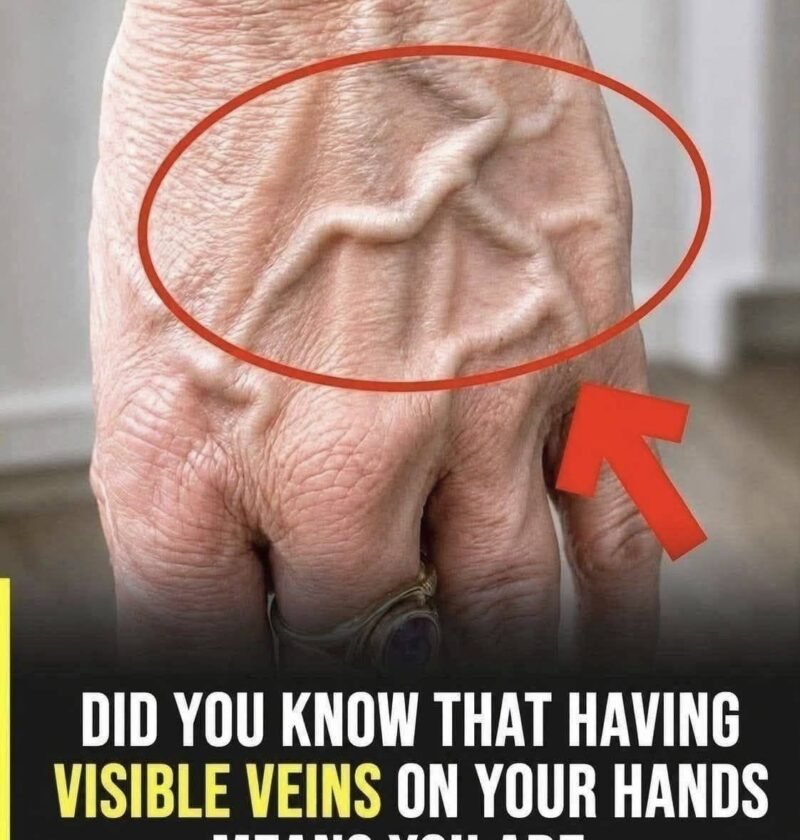
Did you know that having visible veins means you are… See more
-
ChatGPT said:
Visible veins do not automatically mean that something is wrong. In many people, prominent veins are completely normal.
They can become more noticeable because of:
-
Low body fat — Less tissue covering the veins makes them easier to see.
-
Exercise — Increased blood flow and temporarily enlarged muscles can make veins stand out, especially after strength training.
-
Heat — Blood vessels widen to help the body release heat.
-
Genetics and aging — Some people naturally have more visible veins, and skin becomes thinner with age.
-
Dehydration — Temporary changes in fluid levels can make veins appear more prominent.
When visible veins deserve attention
New or suddenly prominent veins, particularly if accompanied by pain, swelling, redness, warmth, or tenderness, should be medically assessed. Prominent veins in the legs can sometimes be associated with varicose veins or problems with blood flow.
So if the headline says “Having visible veins
-