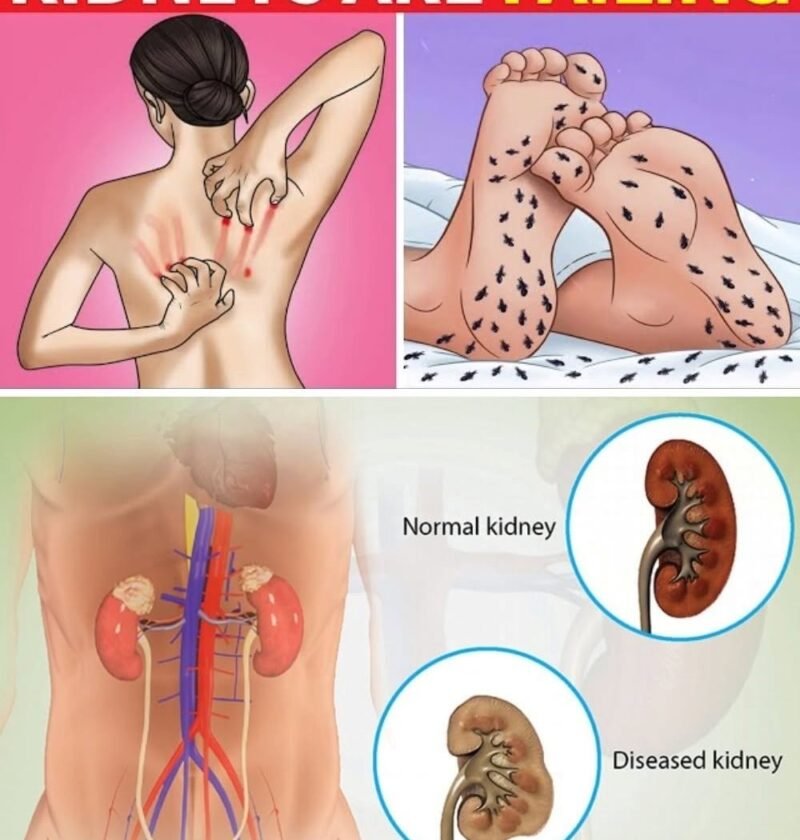
Chronic kidney disease (CKD) is often called a “silent condition” in its early stages because the kidneys can lose a significant amount of function before producing obvious symptoms. However, as kidney damage progresses and waste products or fluids build up in the body, distinctive warning signs begin to appear.
Thirteen alarming signs associated with advanced or progressing chronic kidney disease include:
1. Persistent Fatigue and Low Energy
-
The Sign: Feeling exhausted, weak, or drained all the time, even after sleeping through the night.
-
Why it happens: Damaged kidneys produce less erythropoietin (EPO), a hormone that signals the bone marrow to make red blood cells. This leads to anemia, starving your tissues of oxygen.
2. Swelling (Edema) in the Ankles, Feet, Legs, or Hands
-
The Sign: Puffy extremities or footwear suddenly feeling too tight. Pressing a finger into the skin may leave a dent.
-
Why it happens: Failing kidneys cannot effectively remove excess sodium and fluid from the bloodstream, causing water retention to pool in the lower body due to gravity.
3. Changes in Urination Frequency (Especially at Night)
-
The Sign: Needing to get up multiple times during the night to urinate (nocturia), or noticing sudden shifts in volume.
-
Why it happens: The kidneys’ filtering units (nephrons) are damaged, reducing their ability to concentrate urine and properly manage fluid balance.
4. Foamy or Bubbly Urine
-
The Sign: Urine that looks unusually frothy—resembling scrambled egg foam—and requires flushing multiple times.
-
Why it happens: This indicates proteinuria (protein leaking into the urine), which happens when the tiny microscopic filters in the kidneys are damaged.
5. Blood in the Urine
-
The Sign: Urine that appears pink, brown, or red.
-
Why it happens: Healthy kidneys normally keep blood cells inside the body when filtering waste, but damaged filters allow red blood cells to leak through into the urine.
6. Severe, Unrelenting Itchy Skin
-
The Sign: Chronic, deep-seated skin itching that lotions won’t fix.
-
Why it happens: When kidneys fail to filter waste effectively, phosphorus and other toxins build up in the blood (uremia), triggering intense nerve irritation and mineral imbalances.
7. A Metallic Taste in the Mouth and Bad Breath
-
The Sign: Food tasting different (especially meat), or noticing a persistent metallic sensation and foul breath (uremic fetor).
-
Why it happens: Urea and nitrogen waste accumulate in the bloodstream, altering your body’s chemical balance and affecting your taste buds.
8. Nausea, Vomiting, and Loss of Appetite
-
The Sign: General stomach upset, frequent morning nausea, or a sudden aversion to eating certain foods.
-
Why it happens: High levels of uremic toxins circulating in the body severely impact the gastrointestinal tract.
9. Shortness of Breath
-
The Sign: Feeling winded after light activity, or struggling to breathe when lying flat.
-
Why it happens: This can be caused by fluid backing up into the lungs due to poor kidney clearance, or by severe anemia reducing oxygen transport.
10. Frequent Muscle Cramps
-
The Sign: Painful spasms, particularly in the calves, often striking at night.
-
Why it happens: Electrolyte imbalances—such as abnormal levels of calcium, phosphorus, or potassium—directly disrupt normal nerve and muscle function.
11. Puffy Eyes (Periorbital Edema)
-
The Sign: Noticeable swelling and puffiness around the eyes, particularly in the morning.
-
Why it happens: Kidneys leaking large amounts of protein into the urine cause fluid to shift out of blood vessels and pool in loose facial tissues.
12. Trouble Sleeping (Insomnia and Restless Legs)
-
The Sign: Difficulty falling asleep, staying asleep, or experiencing creepy-crawly sensations in the legs at night.
-
Why it happens: Toxin buildup, itching, frequent bathroom trips, and an increased risk of sleep apnea all interfere with restorative rest.
13. High Blood Pressure (Hypertension)
-
The Sign: Consistently elevated blood pressure readings that are difficult to control.
-
Why it happens: Kidneys play a major role in regulating blood pressure. When they are damaged, fluid regulation and hormone signaling go haywire, creating a dangerous feedback loop where high blood pressure causes further kidney damage.
Who is Most at Risk?
The two leading causes of chronic kidney disease are diabetes and high blood pressure. Other risk factors include cardiovascular disease, a family history of kidney failure, and being over age 60. Because early CKD is entirely symptom-free, regular blood work (checking creatinine and eGFR) and urine tests are vital for catching changes early.
Are you reviewing these signs out of general health curiosity, or are you or a loved one tracking specific lab results or symptoms?