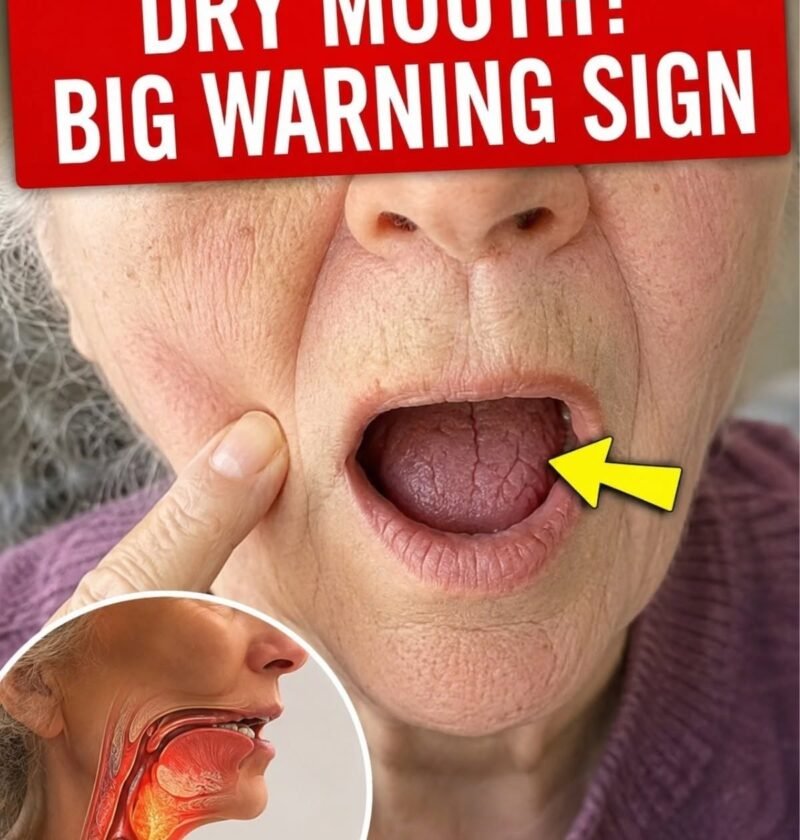
Note: The phrase “Dry Mouth Is Not Aging — It’s Your Saliva Shutting Down” highlights an important truth: while dry mouth (xerostomia) is common as people get older, it is not a normal, inevitable part of aging. Instead, it is usually a sign that your salivary glands have reduced their output due to underlying causes.
Why Saliva Production Slows Down
Saliva plays a critical role in keeping your mouth comfortable, protecting your teeth from decay, and helping you chew, swallow, and digest food. When saliva flow drops significantly, it’s typically triggered by one of several distinct factors rather than age alone:
-
Medications: This is the most frequent culprit. Over 500 commonly prescribed and over-the-counter medications—including blood pressure drugs, antihistamines, antidepressants, decongestants, and muscle relaxants—can reduce salivary gland function.
-
Health Conditions: Systemic conditions such as Sjögren’s syndrome (an autoimmune disorder), diabetes, thyroid disorders, and nerve damage can directly impair your salivary glands.
-
Medical Treatments: Radiation therapy to the head and neck, as well as certain chemotherapy drugs, can temporarily or permanently damage salivary tissue.
-
Lifestyle Factors: Mouth breathing (often due to nasal congestion or sleep apnea), dehydration, smoking, and regular alcohol consumption can dry out the oral tissues and worsen symptoms.
Practical Ways to Manage Dry Mouth
If you are experiencing persistent dry mouth, several strategies can help stimulate moisture, protect your dental health, and relieve discomfort:
-
Sip Water Frequently: Keep a water bottle with you and take small sips throughout the day to keep oral tissues hydrated.
-
Stimulate Saliva Naturally: Chew sugar-free gum or suck on sugar-free hard candies (especially those containing xylitol), which can encourage your salivary glands to produce more moisture.
-
Use Saliva Substitutes: Over-the-counter artificial saliva sprays, rinses, or gels can provide temporary lubrication and relief.
-
Protect Your Teeth: Because saliva helps wash away bacteria and food particles, dry mouth increases the risk of tooth decay. Use a fluoride toothpaste, consider a daily fluoride rinse, and maintain regular dental check-ups.
-
Humidify Your Environment: Run a cool-mist humidifier in your bedroom at night, particularly if you tend to breathe through your mouth while sleeping.
-
Review Medications: If you suspect a prescription medication is causing your dry mouth, talk to your prescribing physician. They may be able to adjust your dosage or switch you to an alternative medication—never stop taking prescribed medications without consulting your doctor first.
Are you currently taking any regular medications or noticing other symptoms like difficulty swallowing or dental changes? Sharing a bit more context can help me provide more tailored information.