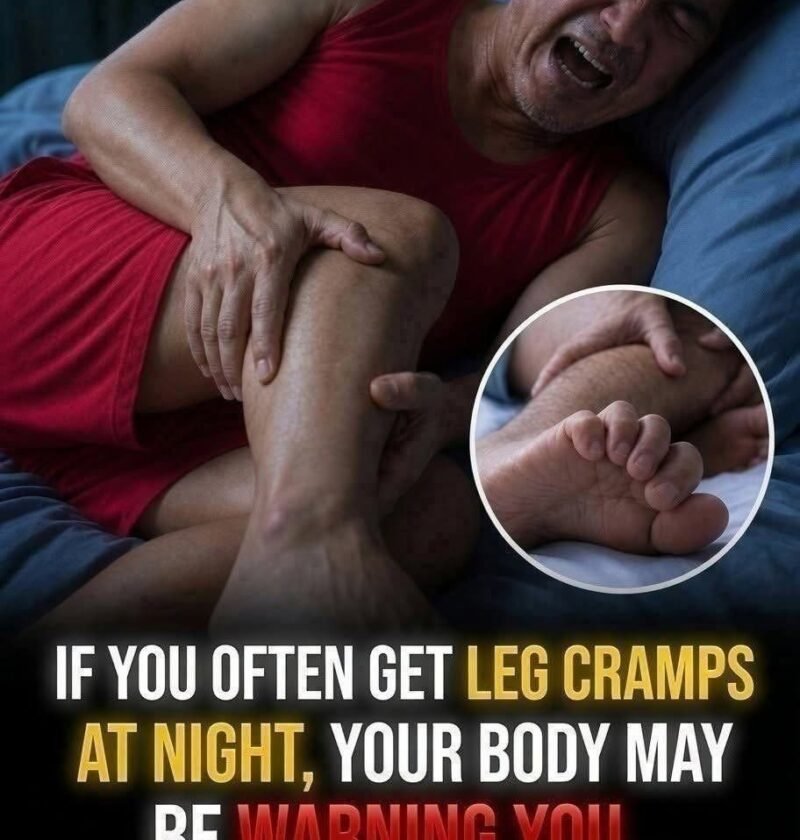
Waking up abruptly with a sharp, painful muscle knot in your calf or foot—often called a nocturnal leg cramp—can instantly ruin your sleep. While most nighttime leg cramps are harmless and sudden muscle spasms, they can sometimes be your body’s way of signaling underlying physiological imbalances or strain.
What Your Body Might Be Signaling
-
Electrolyte Imbalances: Low levels of key minerals like potassium, magnesium, or calcium can disrupt how nerves signal muscles to contract and relax. This is a common trigger during dehydration or intensive exercise.
-
Dehydration: When your fluid intake is too low, blood volume decreases and tissues become parched, making muscles significantly more prone to involuntary spasming.
-
Muscle Fatigue and Overuse: Standing for long hours on hard surfaces, unaccustomed physical exertion, or lack of proper stretching can leave leg muscles exhausted and vulnerable to cramping once you rest.
-
Poor Circulation: Reduced blood flow to the extremities—often associated with peripheral artery disease or prolonged sitting—can deprive muscle tissue of adequate oxygen and nutrients.
-
Medication Side Effects: Certain common prescriptions, particularly diuretics (water pills) that flush out fluids and minerals, statins, or asthma medications, can list nighttime cramping as a side effect.
-
Underlying Metabolic or Nerve Conditions: In some cases, chronic and severe cramps can be linked to conditions like type 2 diabetes, thyroid disorders, or nerve compression.
Simple Ways to Prevent and Relieve Cramps
-
Gentle Stretches Before Bed: Taking a few minutes to stretch your calves and hamstrings before sleeping can significantly reduce spasm frequency.
-
Stay Well-Hydrated: Sip water steadily throughout the day, ensuring your fluid levels are balanced by evening.
-
Supportive Footwear: Wearing shoes with proper arch support reduces daytime foot and leg muscle strain.
-
Immediate Relief: When a cramp strikes, gently flexing your foot upward (pulling your toes toward your shin) or applying a warm compress or massage can help release the tight muscle knot.