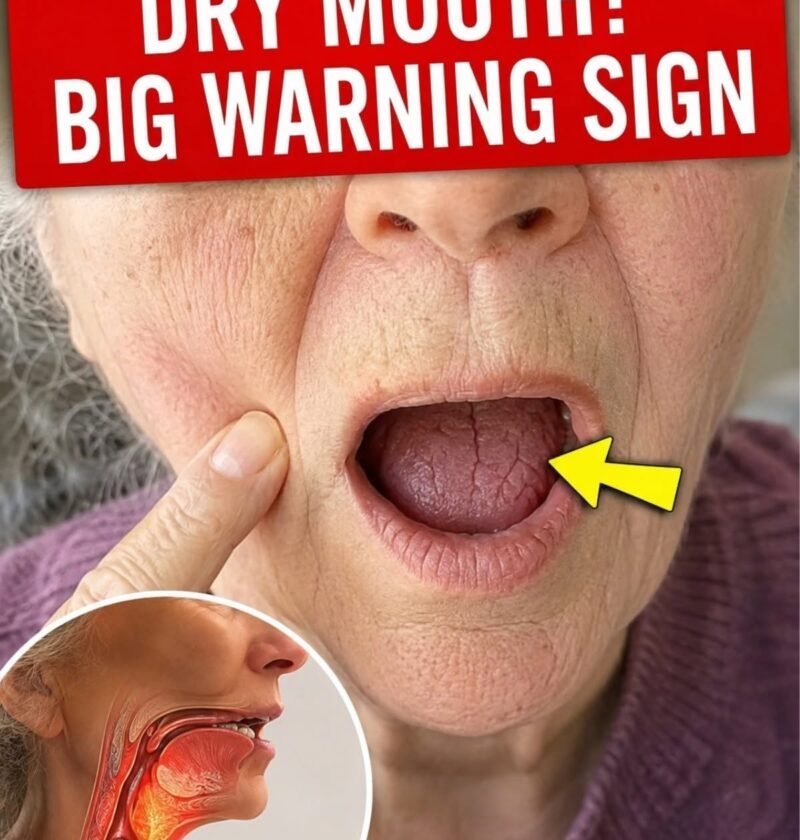
When viral health headlines claim that dry mouth is not just a part of aging, but your saliva shutting down, they tap into a very real medical issue wrapped in alarming phrasing.
While aging itself does not automatically cause your salivary glands to stop working, chronic dry mouth (xerostomia) is extremely common among older adults. However, it is rarely a sign that your salivary glands are permanently “shutting down” on their own; instead, it is almost always triggered by specific external factors, medications, or underlying health conditions.
Here is what is really happening when you experience persistent dry mouth, why it matters, and how to manage it.
Why Does Chronic Dry Mouth Happen?
Saliva is essential—it lubricates your throat, helps you chew and swallow, protects tooth enamel, and fights off harmful bacteria in the mouth. When saliva production drops, it is usually due to one of the following:
-
Medication Side Effects (The #1 Culprit): This is especially common for older adults. Over 500 commonly prescribed medications can reduce saliva flow as a side effect. This includes drugs for high blood pressure, diuretics (water pills), antihistamines, antidepressants, and anti-anxiety medications.
-
Dehydration: Not drinking enough fluids throughout the day directly impacts the amount of moisture your body can spare for saliva production.
-
Mouth Breathing: Chronic nasal congestion, allergies, sleep apnea, or sleeping with your mouth open causes saliva to evaporate rapidly overnight, leading to severe morning dry mouth.
-
Underlying Medical Conditions: Autoimmune disorders like Sjögren’s syndrome specifically attack moisture-producing glands. Conditions like diabetes, thyroid disorders, and nerve damage can also affect salivary function.
Why Chronic Dry Mouth Is More Than Just an Inconvenience
While it feels annoying, persistent dry mouth can quickly cascade into bigger health issues if left unaddressed:
-
Rampant Tooth Decay: Saliva neutralizes acids and washes away food particles. Without it, cavities and gum disease can develop rapidly, even in adults who take good care of their teeth.
-
Difficulty Swallowing and Speaking: A lack of lubrication makes eating dry foods uncomfortable and can alter your sense of taste.
-
Oral Infections: Reduced saliva increases the risk of fungal infections in the mouth, such as oral thrush.
Practical Ways to Protect Your Mouth and Stimulate Saliva
If you or a loved one are struggling with dry mouth, you don’t have to just live with it. Several practical steps can help restore moisture and protect your oral health:
-
Review Your Medications: Talk to your doctor or pharmacist. If a medication is causing your dry mouth, they may be able to adjust the dosage or switch you to a saliva-friendly alternative.
-
Sip Water Consistently: Keep a water bottle nearby and take small sips throughout the day. Avoid sugary drinks or excessive caffeine, which can dry you out further.
-
Chew Sugar-Free Gum or Suck on Sugar-Free Lozenges: Opt for products containing xylitol, which helps stimulate natural saliva flow while protecting teeth from decay.
-
Use Over-the-Counter Saliva Substitutes: Artificial saliva sprays, gels, or rinses can provide long-lasting comfort, especially right before bed.
-
Use a Humidifier: Running a cool-mist humidifier in your bedroom overnight can prevent your mouth and nasal passages from drying out while you sleep.
When to See a Doctor or Dentist: If your dry mouth is constant, wakes you up at night, makes it painful to eat, or is accompanied by difficulty swallowing, schedule an evaluation with your dentist or primary care physician to pinpoint the exact cause and protect your teeth.
Are you or a loved one dealing with persistent dry mouth, or noticing it as a side effect of medication?