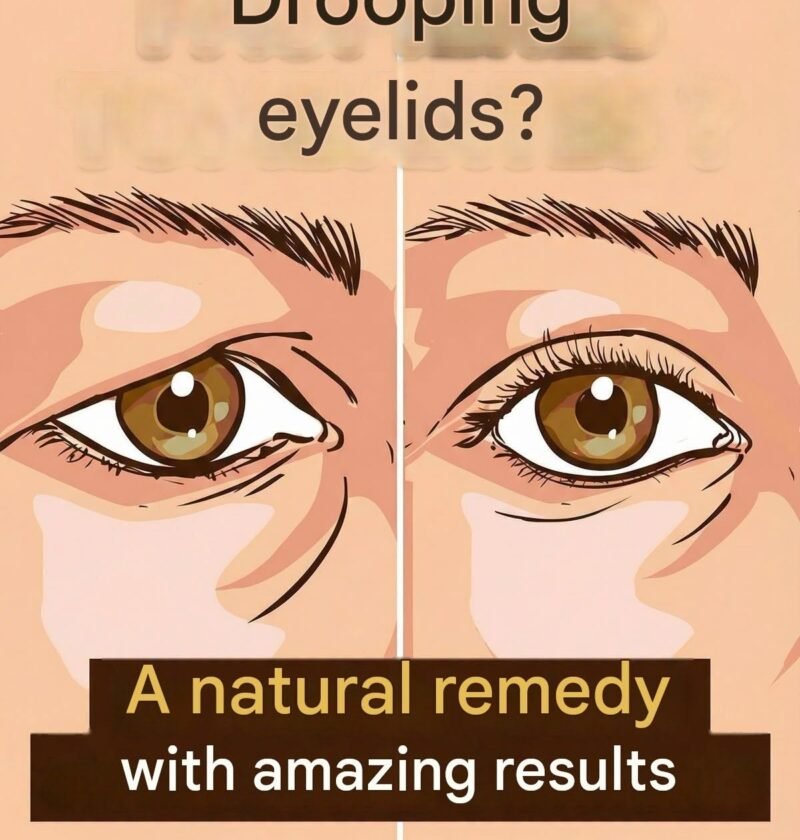
Droopy eyelids—medically known as ptosis (when the eyelid sags downward) or dermatochalasis (excess upper eyelid skin associated with aging)—are another very common topic. While the internet is full of quick-fix remedies claiming to instantly lift sagging skin, the reality requires looking at both what natural approaches can safely achieve and when a drooping eyelid is a medical signal that needs professional attention.
Here is a breakdown of what you can do at home, what natural methods can and cannot do, and when you should see a doctor.
Natural Approaches and Everyday Habits
If your droopy eyelids are mild and primarily driven by skin laxity, fatigue, or minor swelling, a few gentle habits can help support eye-area health:
-
Prioritize Quality Sleep and Reduce Inflammation: Lack of sleep and high salt intake can cause fluid retention, making the delicate skin around the eyes swell and sag heavier. Staying well-hydrated and getting adequate rest helps keep facial tissues firm.
-
Gentle Facial and Eyelid Exercises: Some practitioners suggest specific resistance exercises (like gently holding the eyebrows in place while trying to close or lift the eyelids) to tone the surrounding orbicularis oculi muscles. Note: While they can help with mild muscle tone, they cannot reverse structural skin sagging or looseness.
-
Cold Compresses or Green Tea Bags: If swelling or morning puffiness is making your eyelids droop more noticeably, a cold compress or chilled, caffeine-infused tea bags can temporarily constrict blood vessels and tighten the appearance of the skin.
-
Sun Protection and Skincare: UV damage breaks down collagen and elastin fibers in the skin. Using daily SPF around the eyes and wearing sunglasses can prevent premature skin laxity from worsening.
The Limits of “Natural” Fixes
It is important to manage expectations: no natural remedy, eye cream, or exercise can permanently lift a ptosis caused by a stretched tendon, nerve damage, or significant excess skin. When the physical structures holding the eyelid up weaken, non-surgical home remedies offer only temporary, cosmetic relief.
When to See a Doctor (Red Flag Symptoms)
While mild, gradual eyelid drooping as we age is usually harmless, a droopy eyelid can sometimes be a sign of an underlying neurological or medical issue. You should see a doctor promptly if:
-
It Appears Suddenly: If an eyelid starts drooping over the course of hours or days, it requires immediate medical evaluation, as it can indicate a nerve issue, stroke, or aneurysm.
-
It is Accompanied by Other Neurological Signs: Seek urgent medical care if the drooping comes with double vision, blurry vision, weakness in your limbs, difficulty speaking, or a severe headache.
-
It Affects Your Vision: If the sag is severe enough to block your upper field of vision, making it hard to drive, read, or go about your day, an optometrist, ophthalmologist, or oculoplastic surgeon can evaluate you for corrective options.
-
You Have Associated Eye Pain or Muscle Weakness: Conditions like myasthenia gravis (an autoimmune disorder causing muscle fatigue) often present with eyelids that droop worse as the day goes on, sometimes accompanied by generalized muscle weakness.
Medical Options
If droopy eyelids are obstructing your vision or bothering you aesthetically, modern medicine offers highly effective solutions, ranging from prescription eye drops (for certain types of mild muscle weakness) to minor outpatient procedures like blepharoplasty (removing excess skin) or surgical repair of the levator muscle tendon.
Are you noticing gradual changes in your eyelids, or did you come across a viral remedy claiming to lift sagging lids overnight?