🌙 Don’t Ignore Leg Cramps at Night
Nighttime leg cramps are common and usually harmless, especially with increasing age. They typically cause a sudden, painful tightening of the calf, foot, or thigh that lasts from a few seconds to several minutes. Mayo Clinic+1
What can cause them?
Often, there is no single identifiable cause. Possible contributors include:
- Dehydration
- Muscle fatigue or prolonged sitting
- Reduced physical activity
- Pregnancy
- Certain medications, including some diuretics and cholesterol medicines
- Diabetes-related nerve problems
- Kidney, thyroid, or liver conditions
- Circulation problems
- Occasionally, low levels of minerals such as potassium, calcium, or magnesium Mayo Clinic+1
Importantly, don’t automatically assume nighttime cramps mean you need a magnesium supplement. The cause isn’t always a mineral deficiency.
🦵 What to do when a cramp strikes
- Straighten the affected leg and gently pull your toes toward your face.
- Gently massage the cramped muscle.
- If you’re able to stand safely, put weight on the affected leg.
- Warmth, such as a warm shower, may help relax the muscle. nhs.uk+1
How to reduce future cramps
Regular calf stretching—particularly before bedtime—may help. Staying adequately hydrated and maintaining regular, appropriate physical activity can also be useful. nhs.uk+1
🚨 When should you see a doctor?
Get medical advice if cramps:
- Frequently wake you from sleep
- Are severe or becoming more frequent
- Last longer than about 10 minutes
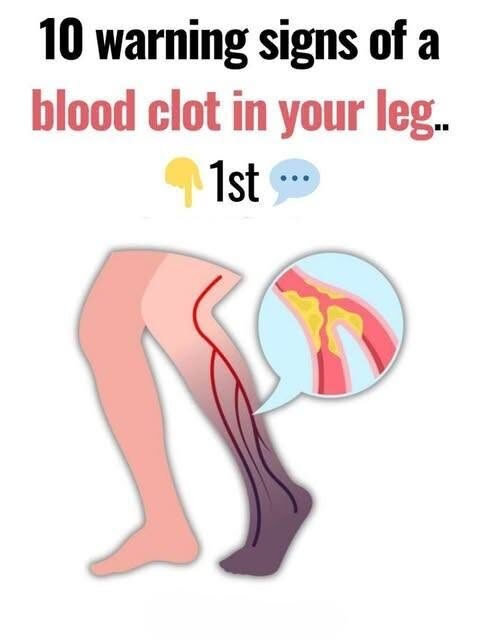
- Occur with leg swelling, redness, numbness, or muscle weakness
- Don’t improve with self-care nhs.uk+1
Bottom line: An occasional nighttime cramp usually isn’t dangerous. But frequent, severe, or changing cramps deserve evaluation, particularly if you’re taking multiple medications or have diabetes, kidney disease, or circulation problems.
Sources