Common Mistakes That Can Affect Balance in Older Adults
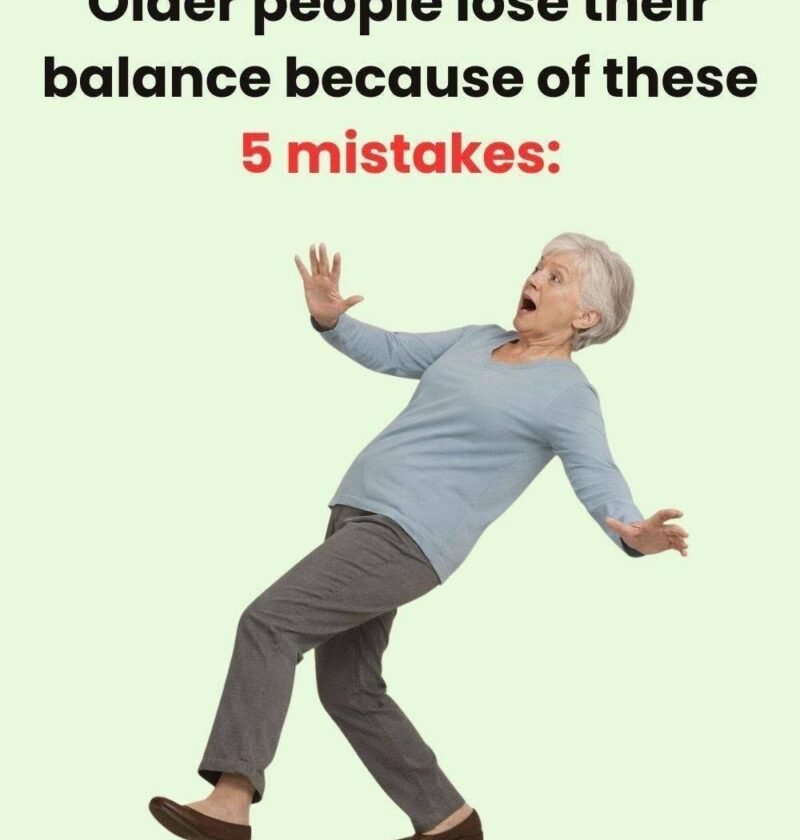
Balance often changes with age, but falls are not an inevitable part of getting older. Certain habits and health issues can increase the risk of losing balance.
1. 🪑 Sitting too much
Long periods of inactivity can reduce leg and core strength. Regular walking and appropriately challenging strength exercises can help maintain mobility.
2. 👟 Wearing unsafe footwear
Loose slippers, slippery socks, or worn-out shoes can make slipping or tripping more likely. Supportive, well-fitting shoes with good traction are generally safer.
3. 💊 Ignoring medication side effects
Some medicines can cause dizziness, drowsiness, or a drop in blood pressure, increasing fall risk. Have your medications reviewed if you notice new balance problems.
4. 👀 Neglecting vision or hearing problems
Poor vision can make obstacles and changes in surfaces harder to detect. Hearing and vestibular problems can also contribute to balance difficulties. Keep up with recommended eye and hearing checks.
5. 🏠 Leaving fall hazards around the home
Loose rugs, clutter, poor lighting, electrical cords, and slippery bathroom surfaces can all contribute to falls. Improve lighting and keep frequently used pathways clear.
6. 💧 Becoming dehydrated
De because causes can include medication effects, inner-ear disorders, vision problems, neurological conditions, low blood pressure, and otherhydration can contribute to weakness or dizziness, particularly in hot weather or during illness. Maintain adequate fluid intake unless you’ve been instructed to restrict fluids.
7. 🏋️ Avoiding balance and strength exercises
Exercises that safely challenge leg strength, coordination, and balance can help older adults maintain function. If you’re already unsteady, begin with professional guidance and use appropriate support.
🚨 Don’t dismiss a new balance problem
Sudden loss of balance, especially together with facial drooping, one-sided weakness or numbness, trouble speaking, vision changes, or severe dizziness, can be a sign of a stroke and requires emergency medical attention.
Persistent or worsening balance problems also deserve a medical evaluation because causes can include medication effects, inner-ear disorders, vision problems, neurological conditions, low blood pressure, and other treatable issues.
Bottom line: Staying active, reviewing medications, protecting vision, and making the home safer can all help reduce fall risk.