Fatty Liver: The “Hidden Sign” You Should Know
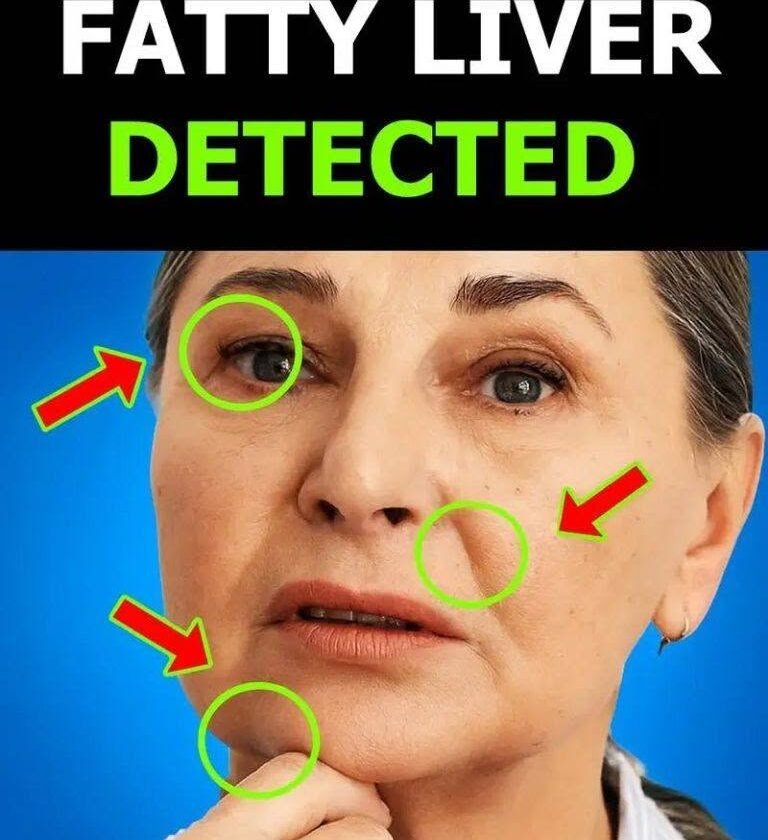
The claim that “everyone with fatty liver has this one sign” is misleading. Fatty liver disease often causes no noticeable symptoms at all, especially in its early stages.
What can actually be associated with fatty liver?
Some people may experience:
-
Fatigue or low energy
-
A vague discomfort or fullness in the upper-right abdomen
-
Abnormal liver enzymes discovered on a blood test
-
An enlarged liver found during an examination or imaging
Fatty liver is also strongly associated with metabolic conditions such as overweight/obesity, insulin resistance or type 2 diabetes, high triglycerides, and high blood pressure.
Why it can be “hidden”
A person can have significant fatty liver without looking or feeling sick. That’s why doctors may use blood tests and imaging (such as ultrasound), and sometimes additional tests to determine whether there is liver inflammation or fibrosis.
A particular skin or body feature sometimes promoted online as the hidden sign—such as a darkened neck, skin tags, or abdominal weight—isn’t proof that someone has fatty liver. These findings can be associated with insulin resistance but have many other possible causes.
What helps
If fatty liver is diagnosed, management generally focuses on the underlying metabolic risk factors: gradual weight loss when appropriate, regular physical activity, a balanced diet, and controlling blood sugar, cholesterol, and blood pressure. Alcohol intake may also need to be addressed depending on the type and severity of liver disease.
If you tell me what the article claims the “hidden sign” is, I can explain what that sign actually means and whether there is evidence connecting it to fatty liver.