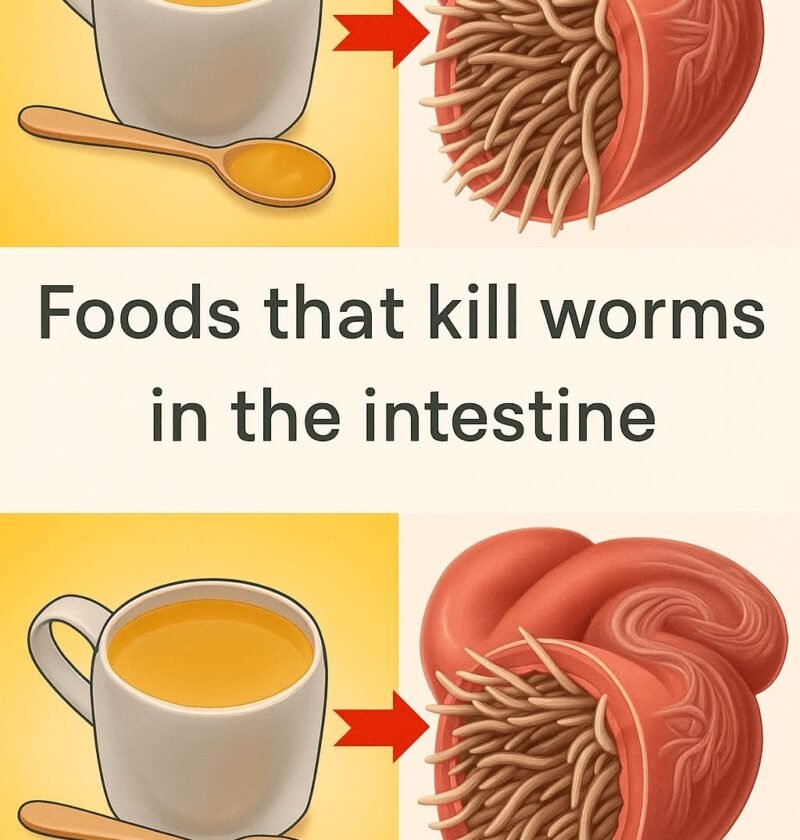
The idea of eating specific “superfoods” or kitchen ingredients to actively purge or kill intestinal parasites is a staple of online wellness cleanses. While certain foods have traditional reputations or mild antimicrobial properties, modern medicine takes a very different view on how intestinal worms (parasitic infections like pinworms, tapeworms, or roundworms) are actually handled.
Here is a breakdown of the foods most commonly cited in online “parasite cleanses,” what science actually says about them, and how medical reality differs.
Popular “Anti-Parasite” Foods Touted Online
-
Pumpkin Seeds (Pepitas)
-
The Claim: Pumpkin seeds contain an amino acid called cucurbitacin, which is said to paralyze intestinal worms, making it impossible for them to hold onto the intestinal walls.
-
The Reality: While laboratory studies show that pumpkin seed extracts can have mild anthelmintic (worm-stunning) effects in livestock or petri dishes, there is no robust clinical evidence that eating raw pumpkin seeds will clear an active, established parasitic infection in humans. They are a healthy, nutritious snack rich in magnesium, but they are not a medical dewormer.
-
-
Garlic
-
The Claim: Raw garlic contains allicin, a potent sulfur compound with well-documented antibacterial, antifungal, and antimicrobial properties. Online remedies claim it burns or kills worms.
-
The Reality: Allicin is fantastic for supporting general immune health and fighting certain microbes in the digestive tract, but it is not powerful enough to eradicate multi-cellular intestinal parasites like pinworms or tapeworms once they have colonized the gut.
-
-
Papaya Seeds
-
The Claim: Dried or fresh papaya seeds contain proteolytic enzymes (like papain) and carpaine, which proponents claim can break down the outer cuticle of worms.
-
The Reality: While papain is great for tenderizing meat and aiding protein digestion, consuming the seeds will not dissolve or expel human parasites. Eating them in large quantities usually just causes severe gastrointestinal upset.
-
-
Pineapple
-
The Claim: Similar to papaya, fresh pineapple contains high concentrations of bromelain, an enzyme believed to create an inhospitable, protein-digesting environment for parasites.
-
The Reality: Bromelain is broken down by your own stomach acids and digestive enzymes long before it reaches the lower intestines where most parasites reside. It supports digestion, but it won’t clear an infection.
-
-
Apple Cider Vinegar (ACV)
-
The Claim: The acidity of ACV is said to change the pH of the gut, making it hostile to worms and forcing them to detach.
-
The Reality: Your stomach is naturally bathed in hydrochloric acid—a fluid far more acidic than apple cider vinegar. If stomach acid alone killed parasites, infections wouldn’t occur. ACV can support digestion, but it doesn’t alter lower-gut pH enough to affect parasites.
-
-
Coconut Oil
-
The Claim: Coconut oil is rich in lauric acid, which the body converts into monolaurin—a compound known to combat certain bacteria, fungi, and viruses.
-
The Reality: While antimicrobial, monolaurin targets single-celled pathogens and lipid-coated viruses, not complex intestinal worms.
-
-
Raw Ginger
-
The Claim: Ginger stimulates digestive juices and gut motility, which is said to help “flush” unwanted organisms out of the digestive tract.
-
The Reality: Ginger is exceptional for soothing nausea, improving digestion, and speeding up gastric emptying, but encouraging gut motility does not dislodge parasitic worms that anchor themselves to the intestinal lining.
-
The Medical Reality: Can Food Treat Parasites?
No. Once a person has a confirmed intestinal parasitic infection (such as pinworms, which are common in children, or tapeworms acquired from undercooked meat), dietary remedies do not work.
Attempting to treat a true parasite with garlic, pumpkin seeds, or internet “detox cleanses” risks leaving the infection untreated, allowing it to multiply, cause chronic malabsorption, or spread to other family members.
-
How Doctors Actually Treat Parasites: Medical doctors use targeted, highly effective prescription antiparasitic medications (such as albendazole, mebendazole, or pyrantel pamoate). These drugs disrupt the parasite’s cellular metabolism or paralyze their nervous system safely and completely within a few doses.