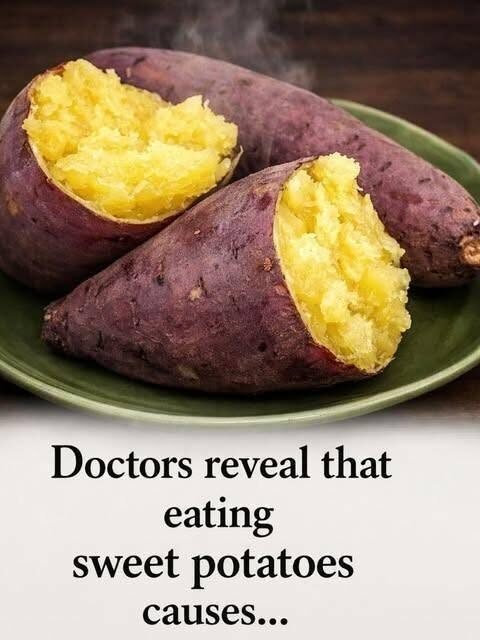
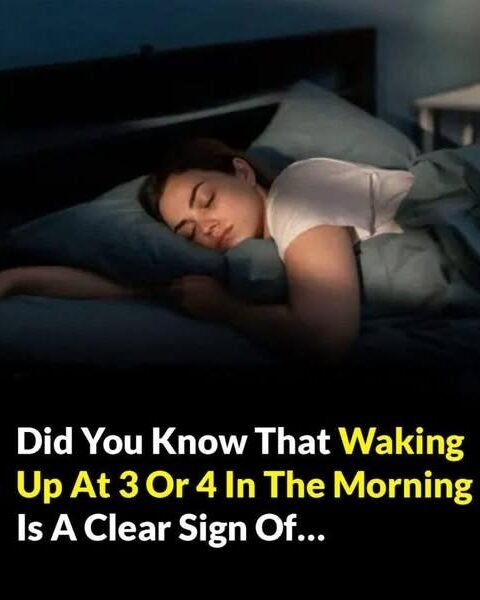
That classic clickbait teaser—“These are the first symptoms of a…”—is one of the internet’s favorite ways to weaponize health anxiety. Whether it’s flashing across a social media feed with a dramatic, cropped image or sitting beneath a vague medical headline, it is specifically engineered to exploit a psychological quirk known as the Zeigarnik effect: our brains hate unfinished loops. By cutting the sentence off right before naming the condition, it forces an involuntary click.
When you look past the algorithmic bait, these viral health posts usually fall into one of three predictable categories:
1. The Vague Generalization (Everything is a Symptom)
More often than not, the “shocking” symptoms listed behind that click are absurdly generic: fatigue, brain fog, bloating, occasional headaches, or minor skin changes.
-
The Reality: These are baseline human experiences. They can mean you slept poorly, ate a heavy meal, drank too much coffee, or are dealing with a stressful week. Framing them as the “hidden first signs” of a rare systemic disaster is purely designed to make anyone reading it self-diagnose.
2. The Harmless Biological Quirks
Sometimes, viral posts take completely normal, benign physiological processes and rebrand them as medical red flags. For example:
-
Waking up with mild stiffness? Tuted as the “early warning sign” of severe arthritis.
-
Noticing your urine looks a little darker after eating asparagus, beets, or taking a B-complex vitamin? Often sensationalized as a terrifying metabolic mystery.
3. The Real Conditions Masquerading as Clickbait
On rare occasions, a viral post does reference a real, significant medical condition—such as a stroke, thyroid disorder, or vitamin deficiency—but lists the signs so broadly that they lose all clinical meaning. For instance, while numbness in the hands can be related to a pinched nerve or circulation issue, slapping it onto a clickbait slideshow with a dark silhouette of a body does nothing to help you understand your actual health.
How to Protect Your Peace Online
When you see a health headline cut off with “See more…” or a dramatic teaser, ask yourself two quick questions:
-
Is the source an actual clinical journal or a content farm? (If the domain looks like HealthTrendz99 or a random meme page, keep scrolling).
-
Is it trying to inform me, or is it trying to scare me into clicking? Real medicine relies on context, lab work, and individual history—not cliffhangers.