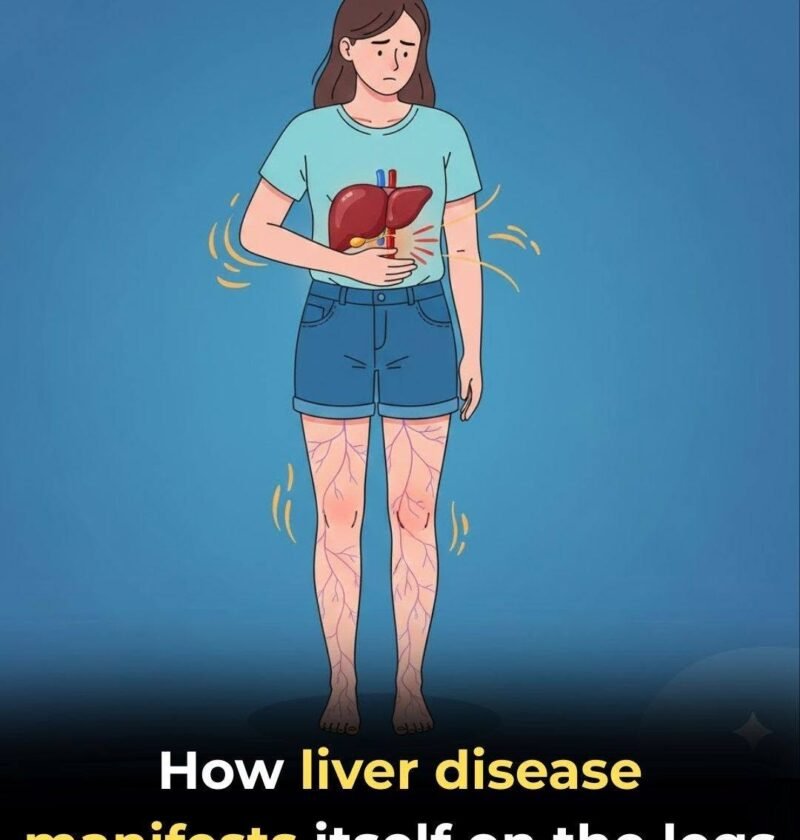
While dramatic health headlines love to use emotive phrases like “legs crying for help,” our lower extremities are genuinely exceptional indicators of overall circulatory, neurological, and metabolic health. Because they are the furthest point from the heart and bear our body weight all day, changes in your legs often provide early warning signs of systemic issues.
5 Important Leg Signs Not to Ignore
-
Persistent Swelling (Edema): Swelling in the ankles, feet, or lower legs that leaves an indentation when pressed can signal poor venous return, heart strain, kidney issues, or side effects from certain medications.
-
Cramping or Pain with Walking (Claudication): A cramping or heavy feeling in your calves or thighs that consistently happens when walking a certain distance and goes away with rest can point to peripheral artery disease (PAD)—a restriction of blood flow in the arteries.
-
Unexplained Color or Temperature Changes: Legs that look pale, bluish, or feel unusually cold to the touch can indicate compromised arterial circulation, while red, warm, or swollen areas can signal inflammation or a clot.
-
Numbness, Tingling, or Burning: Chronic “pins and needles,” numbness, or burning sensations in the feet and lower legs are frequently linked to nerve compression, vitamin deficiencies, or diabetic neuropathy.
-
Slow-Healing Sores or Thinning Skin: Sores, ulcers, or cuts on the lower legs or feet that take weeks to heal, accompanied by shiny, hairless skin, suggest that tissues aren’t receiving enough oxygen-rich blood.
Supporting Leg Health Every Day
Paying attention to these signals early allows you to address root causes before they escalate. Simple habits—like regular walking to boost circulation, managing blood pressure, staying hydrated, elevating your legs after long periods of sitting, and wearing supportive footwear—go a long way toward keeping your legs strong and healthy.