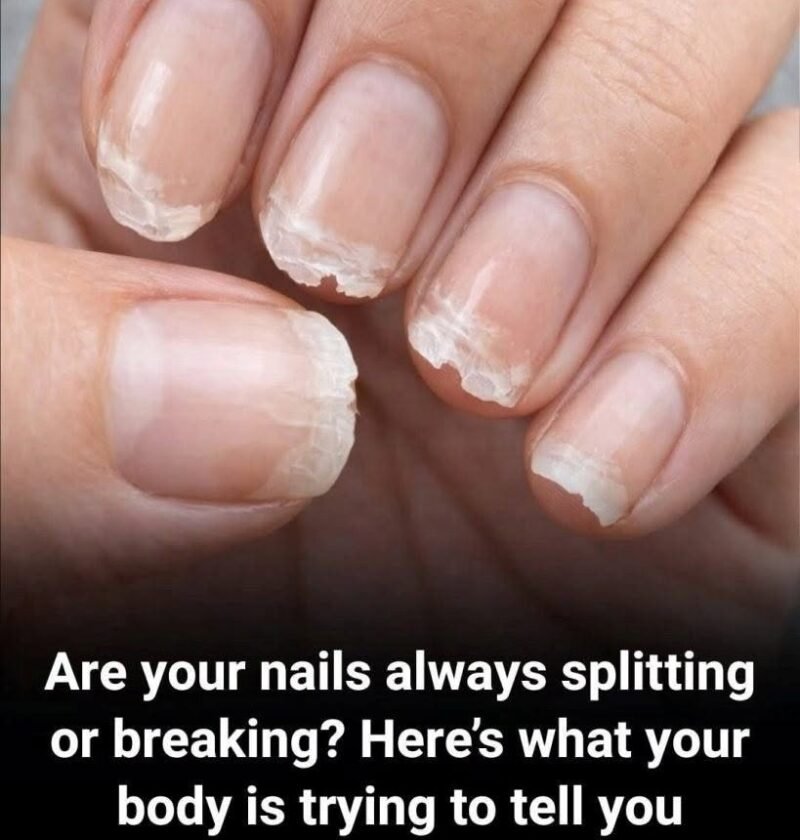
While weak, peeling, or splitting nails are often blamed on frequent handwashing, harsh cleaning chemicals, or too many gel manicures, they can also serve as a subtle window into your internal health. Because nails grow slowly from the nail matrix beneath your skin, changes in their strength and texture often reflect nutritional status or physiological shifts over time.
What Weak or Brittle Nails Might Be Signaling
-
Nutritional Deficiencies: A lack of essential building blocks—most commonly iron, zinc, protein, or B-complex vitamins like biotin—can compromise the keratin structure that makes nails strong.
-
Chronic Dehydration: Just like skin and hair, nail plates need moisture. When your overall fluid intake is low, nails lose flexibility, becoming dry, brittle, and prone to snapping.
-
Thyroid Imbalances: Both an underactive thyroid (hypothyroidism) and an overactive thyroid (hyperthyroidism) can disrupt metabolic processes, frequently resulting in dry, brittle, or slow-growing nails.
-
Frequent Exposure to Moisture and Chemicals: Constantly having hands in water, using harsh dish soaps without gloves, or frequent use of acetone-based nail polish removers strips natural oils and structural integrity.
-
Age-Related Changes: As we age, natural cell turnover slows down, and nails naturally lose moisture and lipid content, making splitting more common.
Simple Ways to Strengthen Your Nails
-
Protect Your Hands: Wear rubber gloves when washing dishes or using strong household cleaning chemicals to shield your nails from moisture stripping.
-
Moisturize Regularly: Apply a nourishing hand cream or cuticle oil containing vitamin E, shea butter, or jojoba oil directly to your nail beds, especially after washing your hands.
-
Support from Within: Eat a balanced diet rich in lean proteins, leafy greens, nuts, and seeds to ensure your body has adequate iron, biotin, and zinc.
-
Give Manicures a Break: Allow your natural nails periods of rest between gel or acrylic treatments to let the surface recover.