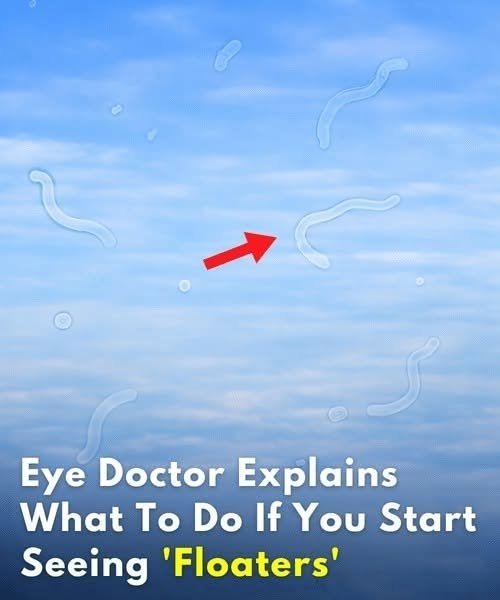
Noticing tiny specks, threads, cobwebs, or shadow-like shapes drifting across your field of vision can be startling. These little shapes are eye floaters (medically known as myodesopsias). They are actually tiny clumps of gel or cellular debris floating inside the vitreous—the jelly-like substance that fills the inside of your eye. When these clumps cast shadows on your retina (the light-sensitive layer at the back of your eye), you see them drifting across your view.
Why Do They Happen?
-
Normal Aging (Posterior Vitreous Detachment): The most common cause of floaters is the natural aging process. As you age, the vitreous gel gradually liquefies and shrinks, causing it to pull away from the retina. This process—called a posterior vitreous detachment (PVD)—often creates a sudden shower of new floaters.
-
Eye Inflammation or Injury: Uveitis or trauma to the eye can cause inflammatory debris to accumulate in the vitreous.
-
Bleeding in the Eye: Diabetic retinopathy, high blood pressure, or blocked blood vessels can leak tiny amounts of blood into the eye, appearing as dark spots or streaks.
What to Do When You See New Floaters
If you notice new floaters, here is how an eye doctor recommends you handle the situation:
-
Don’t Panic, But Pay Attention: A few occasional floaters—especially if you’ve had them for years—are usually completely harmless. Your brain often learns to ignore them over time.
-
Move Your Eyes: If a floater is directly in your line of sight, try looking up and down or side to side. This shifting movement swirls the fluid inside your eye, often pushing the floater out of your direct line of vision.
-
Schedule an Eye Exam: If floaters appear suddenly, it is essential to have an optometrist or ophthalmologist perform a dilated eye exam to check the health of your retina.
“Red Flag” Symptoms: When to Seek Urgent Care
While most floaters are benign, a sudden onset can occasionally signal a serious, sight-threatening emergency. Go to an emergency room or see a retinal specialist immediately if your floaters are accompanied by any of the following warning signs:
-
Flashing Lights: Brief flashes of light (like camera lightning or lightning streaks) in your peripheral vision, which happen when the pulling vitreous tugs on the retina.
-
A Sudden “Shower” of Floaters: A rapid, unexpected increase in the number of tiny specks or cobwebs.
-
A Dark Curtain or Shadow: A grey or black curtain creeping across any part of your upper, lower, or side field of vision.
(These symptoms can indicate a retinal tear or retinal detachment, which requires prompt medical treatment to prevent permanent vision loss.)
Have you noticed your floaters appearing suddenly, or have you experienced any flashes of light or changes in your side vision along with them?