5 Common Mistakes That Can Affect Balance in Older Adults
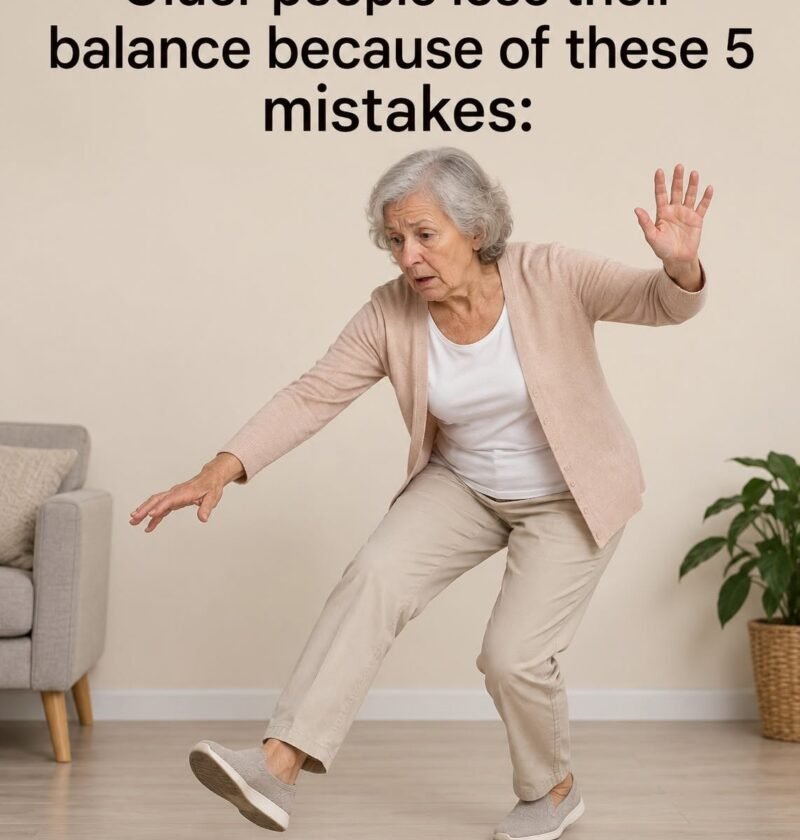
Balance naturally changes with age, but some everyday habits can make falls and loss of stability more likely. The good news is that many of these factors can be improved.
- 👟 Wearing unsuitable footwear
Loose slippers, worn-out soles, or shoes without good support can make walking less stable. Choose comfortable, properly fitting shoes with secure fastenings and good grip. - 💊 Ignoring medication side effects
Some medications can cause dizziness, drowsiness, low blood pressure, or blurred vision. Older adults taking several medicines should have their medication list reviewed regularly by a doctor or pharmacist. - 🏠 Leaving hazards around the home
Loose rugs, clutter, electrical cords, poor lighting, and slippery bathroom floors can create fall hazards. Keep walkways clear and use adequate lighting, especially at night. - 🪑 Being too inactive
Avoiding movement because of fear of falling can gradually weaken the legs and reduce balance. Safe exercises involving strength, balance, and flexibility can help maintain mobility. - 👀 Ignoring vision or hearing changes
Poor vision can make obstacles harder to see, while some inner-ear problems can affect balance. Regular vision checks and medical evaluation of new dizziness or balance problems are important.
🚨 When balance problems need medical attention
A sudden loss of balance, especially with weakness, numbness, difficulty speaking, severe dizziness, vision changes, or a severe headache, can be a sign of a stroke and requires emergency medical attention.
For recurring or gradually worsening balance problems, a healthcare professional can look for treatable causes and recommend appropriate balance or physical therapy exercises.