What Is Normal Blood Pressure at Different Ages?
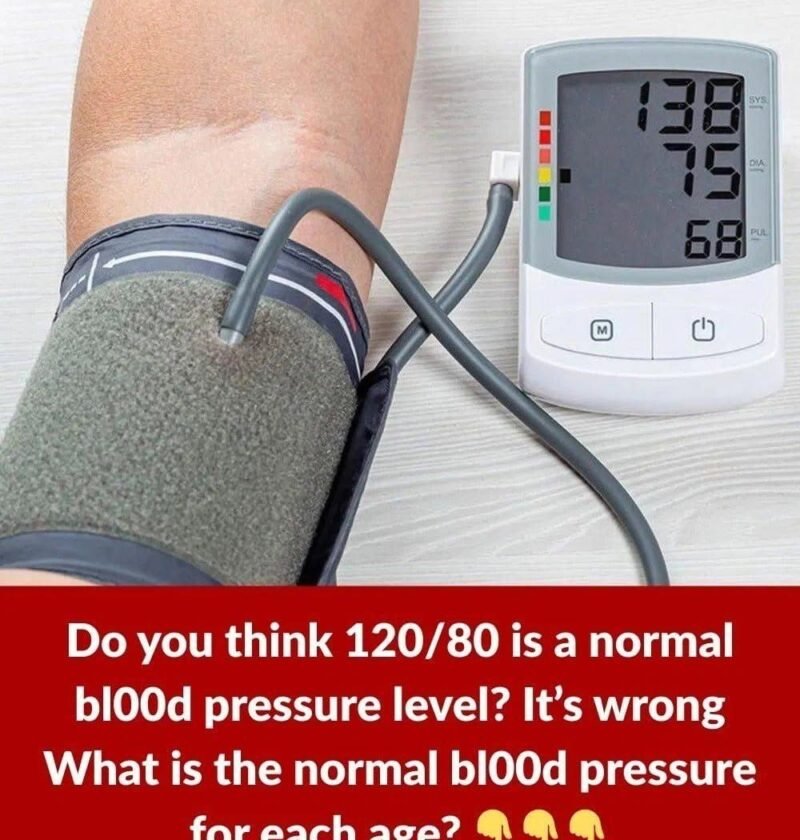
A common misconception is that there is a different “normal” blood-pressure number for every age. For most adults, blood-pressure categories are based primarily on the actual reading and overall health—not simply age.
Adults
| Blood pressure | Systolic (top) | Diastolic (bottom) |
|---|---|---|
| Normal | <120 | and <80 |
| Elevated | 120–129 | and <80 |
| High — Stage 1 | 130–139 | or 80–89 |
| High — Stage 2 | ≥140 | or ≥90 |
| Very high / crisis range | >180 | and/or >120 |
A single elevated reading doesn’t necessarily mean you have hypertension. Blood pressure can temporarily rise because of stress, pain, caffeine, exercise, or the circumstances of measurement.
What about older adults?
There isn’t a universal rule that blood pressure should be much higher simply because someone is 65, 70, or 80. Treatment targets can be individualized based on overall health, frailty, other medical conditions, medications, and the risk of falls or low blood pressure.
🚨 When to seek urgent help
If your blood pressure is over 180/120, repeat the measurement after a few minutes while resting. If it remains that high, contact a healthcare professional promptly.
If a reading over 180/120 occurs with chest pain, shortness of breath, severe headache, confusion, weakness/numbness, vision changes, or difficulty speaking, seek emergency medical care immediately.
Tip: For a reliable home reading, sit quietly for about 5 minutes, keep your feet flat on the floor, support your arm at heart level, and avoid caffeine or exercise for about 30 minutes beforehand.