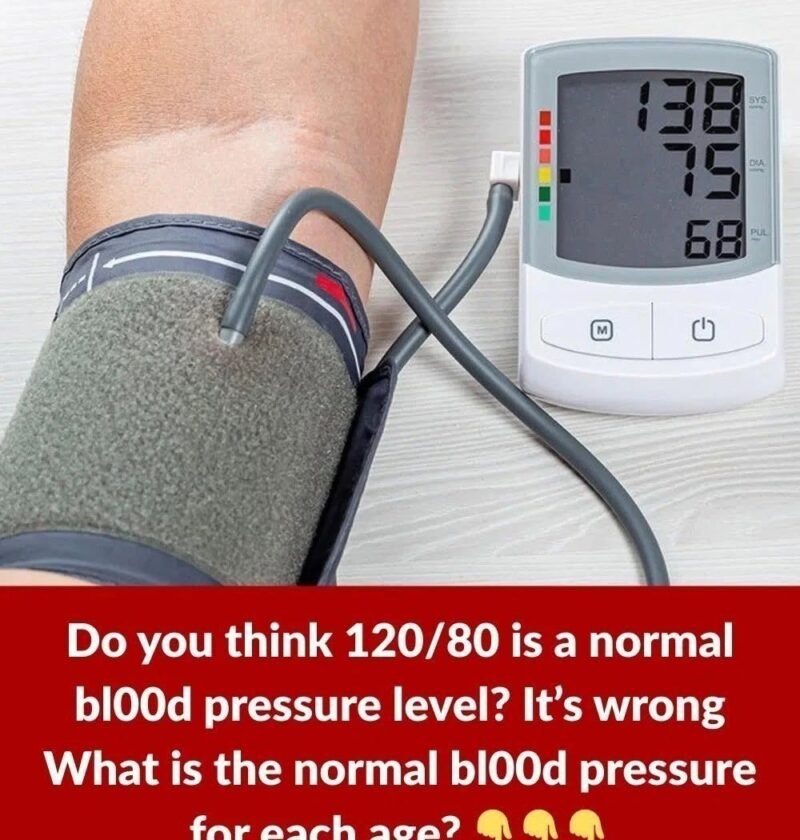
What is “normal” blood pressure at different ages?
There isn’t a separate ideal blood-pressure number for every age. For adults, the same general categories are used regardless of whether someone is 30, 65, or 80. Blood pressure also varies throughout the day, so one reading isn’t enough to diagnose hypertension.
Adult blood-pressure categories
| Category | Systolic (top) | Diastolic (bottom) |
|---|---|---|
| Normal | <120 | and <80 |
| Elevated | 120–129 | and <80 |
| High — Stage 1 | 130–139 | or 80–89 |
| High — Stage 2 | ≥140 | or ≥90 |
| Severely high | ≥180 | and/or ≥120 |
These categories use the American Heart Association classification. Other medical organizations use somewhat different thresholds, so treatment targets can vary by country and individual circumstances.
What about people over 65?
Being older doesn’t mean that a blood pressure such as 150/90 is automatically normal. Older adults can still develop hypertension and benefit from appropriate treatment. However, doctors may individualize treatment targets based on overall health, other medical conditions, medications, frailty, and risk of dizziness or falls.
How to measure it correctly
For a more reliable reading:
-
Sit quietly for 5 minutes beforehand.
-
Keep your back supported and feet flat on the floor.
-
Rest your arm at heart level.
-
Use an appropriately sized upper-arm cuff.
-
Avoid caffeine, exercise, and smoking for about 30 minutes beforehand.
-
Take two readings about one minute apart and record them.
If your readings are consistently 130/80 or higher, discuss them with a healthcare professional.
Emergency: A reading of 180/120 mmHg or higher requires attention. If it is that high and you have chest pain, severe shortness of breath, weakness/numbness, vision changes, difficulty speaking, or severe headache, seek emergency medical care immediately.