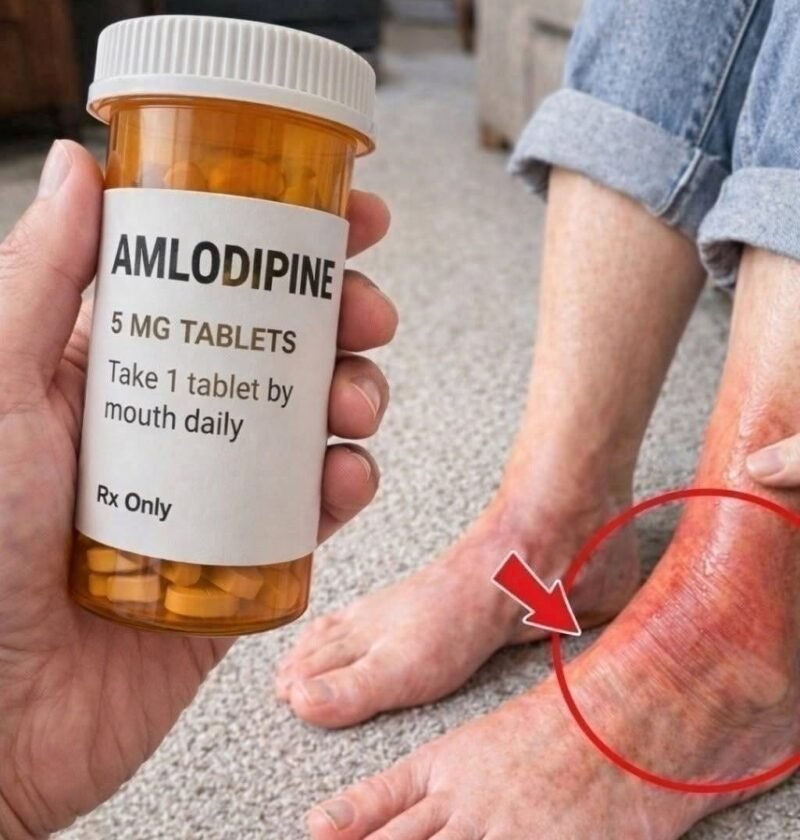
When viral health articles or online forums list “10 important side effects of metoprolol that you need to know,” they are touching on a medication that millions of people rely on daily for high blood pressure, heart rate control, and post-heart-attack recovery. Because metoprolol is a beta-blocker, its effects extend far beyond just the cardiovascular system, influencing energy levels, circulation, metabolism, and even sleep.
Understanding the clinical reality behind these side effects helps you recognize normal bodily adjustments without panicking—while knowing when a symptom requires a conversation with your doctor.
Here is a closer look at 10 key side effects associated with metoprolol:
1. Persistent Fatigue and Low Stamina
-
What Happens: Feeling unusually drained, heavy-limbed, or lacking your usual physical energy, particularly during the first few weeks of starting the drug or after a dose increase.
-
Why It Happens: Metoprolol works by slowing your heart rate and reducing the force of its contractions to lower your cardiovascular workload. This naturally reduces overall cardiac output, meaning slightly less oxygenated blood reaches your skeletal muscles.
2. Cold Hands and Feet (Peripheral Vasoconstriction)
-
What Happens: Your fingers and toes feel icy cold, even in a comfortable room, sometimes taking on a pale tint.
-
Why It Happens: Beta-blockers reduce the sympathetic nervous system signals that keep surface blood vessels dilated. When those vessels constrict, warm blood is redirected inward to core organs, reducing circulation to the extremities.
3. Masking the Warning Signs of Low Blood Sugar (Hypoglycemia)
-
What Happens: If you manage diabetes with insulin or oral medications, a dangerous drop in blood sugar might not trigger your body’s usual warning bells, such as a racing heart, shaking, or severe palpitations.
-
Why It Happens: Because metoprolol blocks adrenaline receptors, it mutes the “fight-or-flight” alarm system that normally announces low glucose. Instead, you might only notice sudden sweating, dizziness, or confusion.
4. Vivid Dreams, Nightmares, or Sleep Disruptions
-
What Happens: Experiencing unusually intense, cinematic dreams, trouble staying asleep, or waking up feeling unrefreshed.
-
Why It Happens: Metoprolol is a lipophilic (fat-soluble) beta-blocker, meaning it crosses the blood-brain barrier. By interacting with neurotransmitter pathways in the central nervous system during REM sleep, it can subtly alter dream vividness and sleep architecture.
5. Exercise Intolerance and a Blunted Heart Rate
-
What Happens: Finding it unexpectedly difficult to get your heart rate up during a workout, or feeling breathless earlier than usual during physical activity.
-
Why It Happens: Metoprolol puts a strict “speed limit” on your heart rate. Even when your muscles demand more oxygen during exercise, your heart cannot accelerate to match that demand the way it normally would.
6. Mild Gastrointestinal Upset
-
What Happens: Experiencing mild stomach queasiness, indigestion, or occasional loose stools when first introducing the medication.
-
Why It Happens: Shifts in autonomic nervous system tone can temporarily influence gastrointestinal motility, though this typically settles down as your digestive tract adapts.
7. Mood Changes, Mild Depression, or Brain Fog
-
What Happens: Feeling a subtle sense of emotional flatness, mental cloudiness, or a low mood that doesn’t have an obvious external cause.
-
Why It Happens: Because beta-blockers cross into the central nervous system, they can occasionally influence mood regulation and cognitive processing speed in sensitive individuals.
8. Dizziness or Lightheadedness Upon Standing (Orthostatic Hypotension)
-
What Happens: A brief wave of wooziness when you stand up too quickly from a chair or bed.
-
Why It Happens: Since metoprolol lowers your overall blood pressure and slows your heart rate, your circulatory system takes an extra second or two to adjust blood distribution against gravity when changing posture.
9. Sexual Dysfunction or Decreased Libido
-
What Happens: Difficulty achieving arousal or a noticeable drop in sexual desire.
-
Why It Happens: By lowering blood pressure and dampening sympathetic nerve activity, beta-blockers can reduce blood flow to genital tissues and interfere with the physiological feedback loops required for sexual function.
10. Rebound Hypertensive Crisis If Stopped Abruptly
-
What Happens: If you suddenly stop taking metoprolol cold turkey, your blood pressure and heart rate can skyrocket dangerously, triggering severe chest pain, spikes in pressure, or even a heart attack.
-
Why It Happens: When you take a beta-blocker long-term, your heart cells adapt by multiplying their adrenaline receptors (upregulation). Stripping the medication away suddenly floods all those extra receptors with adrenaline, sending your cardiovascular system into shock.
The Golden Rule of Beta-Blockers
-
Never Stop Metoprolol on Your Own: If you are experiencing side effects that bother you, never stop taking metoprolol abruptly. Always consult your prescribing physician or cardiologist. If you need to discontinue the drug, your doctor will guide you through a safe, gradual tapering schedule to allow your heart to adjust safely.
Are you or someone you know currently taking metoprolol and noticing any of these adjustments or side effects?