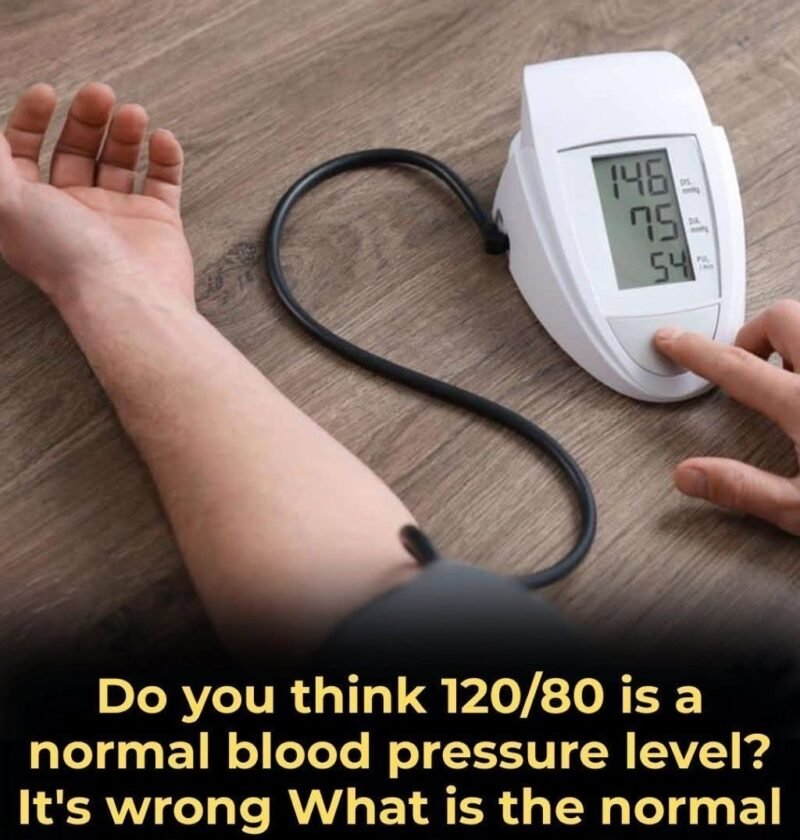
When looking at blood pressure charts, one of the most common misconceptions is that “normal” blood pressure increases as you get older. Historically, old rules of thumb suggested adding your age to 100 to find your acceptable top number.
Medical guidelines—including updated standards from major cardiology organizations—clarify that normal blood pressure does not change with age. For all adults, regardless of whether you are 20 or 90, the healthy target remains the same.
The Universal Blood Pressure Categories for Adults
Blood pressure is measured in millimeters of mercury (mmHg) using two numbers: systolic (top number, pressure when the heart beats) and diastolic (bottom number, pressure when the heart rests between beats).
| Category | Systolic (Top Number) | Diastolic (Bottom Number) | What It Means | |
| Normal | Less than 120 | and | Less than 80 | Optimal heart health. Maintain healthy habits. |
| Elevated | 120 to 129 | and | Less than 80 | Not high yet, but likely to progress without lifestyle changes. |
| Stage 1 Hypertension | 130 to 139 | or | 80 to 89 | High blood pressure; requires tracking and lifestyle adjustments. |
| Stage 2 Hypertension | 140 or higher | or | 90 or higher | Clearly high; typically managed with lifestyle changes and medication. |
| Hypertensive Crisis | Greater than 180 | and/or | Greater than 120 | Emergency: Wait 5 minutes and retest. If it remains this high—or is accompanied by chest pain, shortness of breath, or weakness—seek immediate medical care. |
Why Do Averages Rise with Age?
While normal blood pressure stays under 120/80 mmHg throughout life, average blood pressure naturally drifts upward as people age.
-
Stiffening Arteries: Over decades, elastic blood tissue naturally becomes stiffer and less pliable, meaning the heart has to work harder to push blood through, raising the systolic pressure.
-
Lifestyle Accumulation: Factors like cumulative sodium intake, stress, shifting metabolic health, and decreased physical activity over time play a heavy role.
For example, large population health data shows that the average blood pressure for a healthy young adult might hover around 115/75 mmHg, whereas for an otherwise healthy adult in their 70s, an average reading might naturally drift closer to 135/75 mmHg.
Important Distinction: Just because a higher reading is common or average for an older age group does not mean it is healthy. Unchecked high blood pressure still places unnecessary strain on the heart, brain, and kidneys over time.
Age-Specific Context & Monitoring Tips
-
Young Adults (18–39): Catching elevated readings early matters immensely. Developing Stage 1 hypertension young gives high pressure more cumulative years to damage blood vessels. Focus heavily on prevention through diet and movement.
-
Middle Age (40–59): Blood pressure shifts often accelerate during this window due to metabolic changes or stress. Annual check-ups (or regular home monitoring) are critical here.
-
Older Adults (60+): While guidelines still encourage an ideal goal of keeping pressure below 120/80 mmHg where safely tolerated, doctors often individualize targets for older adults. For instance, if aggressive lowering causes dizziness or fainting (orthostatic hypotension), a clinician might comfortably manage a target slightly below 130/80 or 140/90 mmHg.
-
Children and Teens: Blood pressure standards for minors are not based on flat adult numbers. Instead, pediatricians use special percentile charts factoring in a child’s age, sex, and height. (Standard adult criteria generally only apply starting at age 13).
Next Steps
Blood pressure naturally fluctuates throughout the day based on caffeine, activity, temperature, and stress. A single high reading is rarely a cause for panic. If you want an accurate picture of your baseline, sit quietly with your feet flat on the floor for five minutes, keep your arm supported at heart level, and take your measurements over a week to look for patterns.
Are you looking at your blood pressure numbers after a recent check-up, or tracking them for a specific age group?