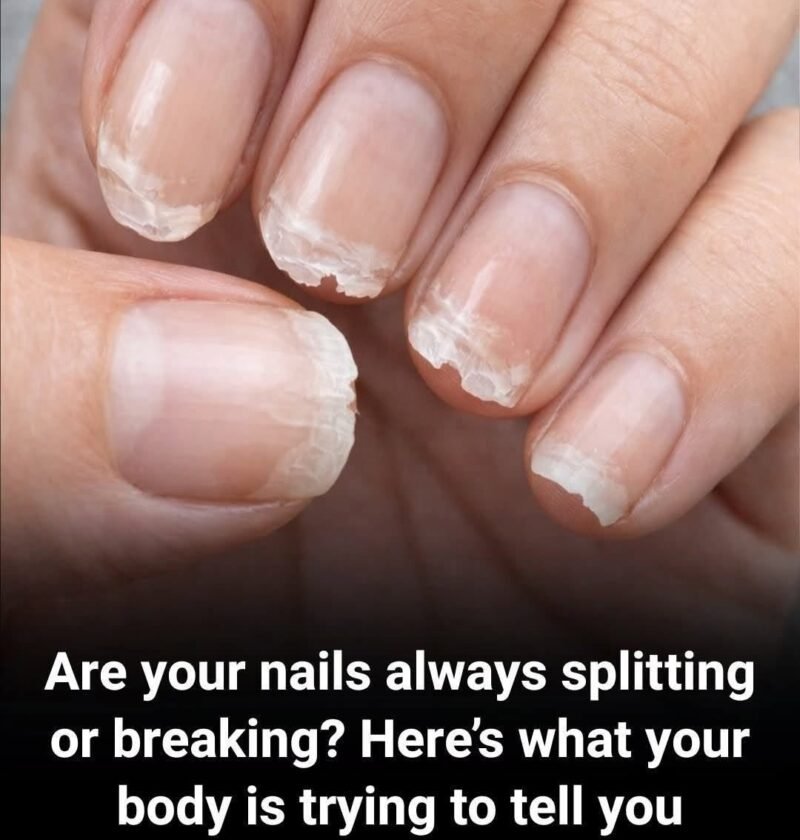
Weak or brittle nails are more than just a cosmetic annoyance—they are often your body’s way of signaling an underlying nutritional deficiency, lifestyle factor, or health condition.
1. Nutritional Deficiencies (The Most Common Culprits)
Your nails are made of a tough protein called keratin. To grow strong, resilient keratin, your body needs a steady supply of specific vitamins and minerals:
-
Biotin (Vitamin B7): One of the most famous nutrients for nail health. A deficiency can cause thin, fragile nails that split or peel easily.
-
Iron: Low iron levels (or iron-deficiency anemia) can lead to nails that become thin, brittle, and curved upward at the edges like a spoon (a condition called koilonychia).
-
Zinc: Zinc is essential for cell growth and protein synthesis. A lack of zinc can cause white spots on your nails, slow growth, and overall fragility.
-
Protein: Since nails are entirely protein, a diet lacking in adequate protein can directly result in weak, slow-growing nails.
-
Vitamin D, Calcium, and Omega-3 Fatty Acids: These help your body absorb minerals and maintain moisture, preventing your nails from becoming dry and brittle.
2. Environmental and Lifestyle Factors
External habits often strip your nails of moisture and natural oils, leading to weakness:
-
Frequent Handwashing and Harsh Chemicals: Constant exposure to water, dish soap, household cleaners, and hand sanitizers dries out the nail plate.
-
Acetone Nail Polish Removers: Regular use of harsh chemical removers strips away natural moisture and weakens the nail surface.
-
Overuse of Gel, Acrylics, or Press-ons: The removal process—often involving filing the natural nail surface and soaking in harsh solvents—greatly thins and weakens nails.
-
Prolonged Water Exposure: Constantly having your hands in water (e.g., swimming or washing dishes without gloves) causes nails to repeatedly expand and contract, breaking down their structural integrity.
3. Underlying Medical Conditions
Sometimes, brittle nails point to an internal health issue that requires a doctor’s evaluation:
-
Thyroid Disorders: Both an underactive thyroid (hypothyroidism) and an overactive thyroid (hyperthyroidism) can disrupt nail growth, making them dry, brittle, and prone to cracking.
-
Anemia: Beyond just iron deficiency, poor oxygen circulation can impair nail bed health.
-
Fungal Infections (Onychomycosis): While fungal infections often start as discoloration or thickening, they can eventually cause nails to become weak, crumbly, and distorted.
-
Autoimmune Conditions: Diseases like alopecia areata, psoriasis, or lupus can manifest changes in the nail bed and nail plate structure.
4. How to Strengthen Your Nails
You can improve nail strength by combining internal nutrition with external protection:
-
Moisturize Regularly: Apply a thick hand cream or cuticle oil containing jojoba oil, shea butter, or vitamin E immediately after washing your hands.
-
Wear Gloves: Use rubber gloves when doing dishes, cleaning, or handling harsh chemicals.
-
Upgrade Your Remover: Switch to an acetone-free nail polish remover.
-
Focus on Balanced Nutrition: Incorporate lean proteins, leafy greens, nuts, seeds, and biotin-rich foods (like eggs and sweet potatoes) into your diet. Consider consulting a doctor before starting supplements like biotin or iron.
-
Give Nails a Break: Take periodic pauses from gel manicures or artificial nails to let your natural nail plates recover.
When to see a doctor: If your brittle nails are accompanied by unexplained fatigue, hair loss, significant weight changes, or if your nails change color, detach from the nail bed, or develop painful inflammation around the cuticles, it is best to consult a healthcare provider or dermatologist.
Would you like some recommendations on specific foods or supplements to target nail health, or are you noticing any other symptoms alongside your weak nails?