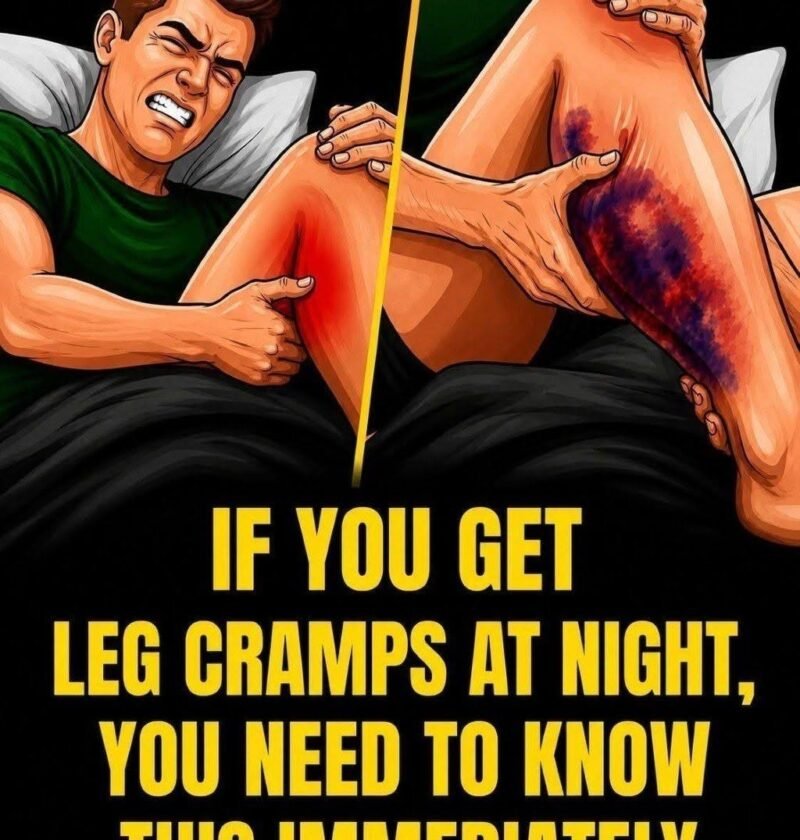
Nighttime leg cramps—often called “nochuria” or nocturnal leg cramps—can jolt you awake with a sudden, intense, and painful tightening of the muscles, most commonly in the calves. While they usually pass within a few minutes, they can leave lingering soreness and disrupt your sleep night after night.
Here is a breakdown of what causes these painful spasms and what you can do about them.
1. Why Do Nighttime Leg Cramps Happen?
In many cases, nighttime cramps are classified as “idiopathic,” meaning they happen without a clear or serious medical cause. However, they are frequently triggered by:
-
Muscle Fatigue and Overexertion: Standing for long hours, exercising intensely, or unusual muscle strain during the day can make muscles more prone to spasms at night.
-
Dehydration and Electrolyte Imbalances: Low levels of key minerals like magnesium, potassium, calcium, or sodium interfere with normal nerve and muscle function.
-
Prolonged Sitting or Inactivity: Spending long periods sitting still can cause muscles to shorten and tighten, making them vulnerable to cramping when you finally stretch or move in bed.
-
Poor Circulation: Inadequate blood flow to the legs—often linked to peripheral artery disease (PAD)—can starve muscles of the oxygen they need, triggering cramps.
-
Nerve Compression: Conditions like lumbar spinal stenosis (narrowing of the spinal canal) can pinch nerves that supply the legs, resulting in cramps or pain.
2. Underlying Health Conditions and Medications
Frequent night cramps can sometimes be a side effect of medications or an indicator of an underlying medical issue:
-
Medications: Certain drugs—particularly diuretics (water pills) used for high blood pressure or heart conditions, as well as statins (cholesterol-lowering drugs)—are known to list leg cramps as a side effect.
-
Chronic Conditions: Type 2 diabetes, kidney disease, liver disorders, and thyroid conditions are frequently associated with nerve and muscle issues that lead to cramping.
-
Pregnancy: Hormonal changes, shifts in blood circulation, and increased physical weight can make pregnant individuals much more susceptible to leg cramps, especially in the second and third trimesters.
3. What to Do When a Cramp Strikes
When a painful spasm wakes you up, swift action can help shorten the duration:
-
Stretch Immediately:
-
For a calf cramp: Straighten your leg, flex your foot upward (pulling your toes toward your shin), and gently pull the top of your foot if needed.
-
For a hamstring cramp: Straighten your leg and pull it forward while keeping your knee straight.
-
-
Walk It Around: Gently walking or pacing around the room for a minute or two helps loosen the contracted muscle.
-
Apply Heat or Ice: Use a warm towel or heating pad to relax tight muscle fibers, or use an ice pack if there is lingering soreness afterward.
-
Gentle Massage: Kneading the cramped muscle can help release the tension.
4. Prevention Strategies
You can significantly reduce the frequency of night cramps with a few daily habits:
-
Stay Hydrated: Drink plenty of water throughout the day. If you sweat heavily or exercise, ensure you are replenishing your electrolytes.
-
Stretch Before Bed: Spend 5 to 10 minutes doing gentle calf and hamstring stretches right before you go to sleep.
-
Review Your Footwear: Avoid shoes lacking proper support, high heels, or shoes that force your feet into awkward angles during the day.
-
Adjust Sleep Positions: If you sleep on your back, try not to point your toes downward (which shortens the calf muscles). Use pillows to keep your feet in a neutral, relaxed position.
-
Incorporate Electrolytes & Minerals: Eat a balanced diet rich in magnesium (found in nuts, seeds, leafy greens, and whole grains), potassium (found in bananas, sweet potatoes, and avocados), and calcium. Always talk to a doctor before taking mineral supplements.
When to see a doctor: Occasional leg cramps are normal, but you should consult a healthcare provider if your cramps are severe, happen nightly, are accompanied by noticeable leg swelling, redness, or skin changes, or if you experience muscle weakness. These could be signs of an underlying vascular or neurological issue that needs professional evaluation.
Are you or someone you know experiencing these cramps frequently, or would you like some tips on specific stretches that can help prevent them before bedtime?