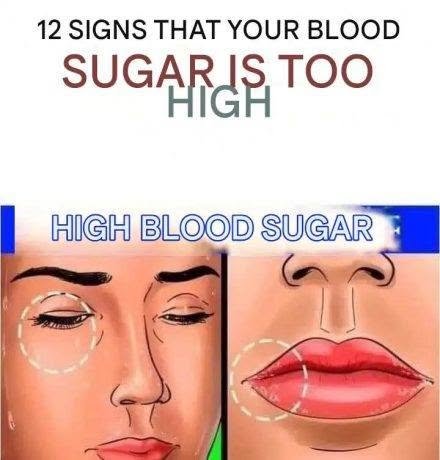
The headline “The High-Sugar Alert: Recognizing the 12 Key Symptoms Your Body is Showing You” is a classic piece of blood-sugar anxiety bait. These articles often take a dozen completely unrelated, everyday human experiences—like feeling tired after lunch, getting a mild headache, having dry skin, or experiencing a fleeting mood swing—and brand them all as secret warning signs of chronically high blood sugar or impending metabolic collapse.
While managing blood sugar is a crucial pillar of long-term metabolic health, your body doesn’t broadcast elevated glucose through a vague list of a dozen mysterious quirks. In clinical medicine, sustained high blood sugar (hyperglycemia)—associated with insulin resistance, prediabetes, or diabetes—presents through very specific, measurable physiological patterns driven by how excess glucose interacts with your kidneys, nerves, and fluid balance.
Let’s cut through the sensationalized listicles and look at what your body actually communicates when blood sugar regulation goes awry.
The True Clinical Indicators of Chronically High Blood Sugar
When blood glucose remains elevated over time, the kidneys cannot keep up with filtering and reabsorbing the excess sugar. This creates a distinct cascade of physiological symptoms that endocrinologists and primary care physicians look for:
1. Polyuria (Frequent Urination)
-
What happens: Excess glucose spills over from your bloodstream into your urine. Because sugar acts as an osmotic agent, it draws water along with it into the urine, leading to a noticeable, frequent need to use the restroom—including waking up multiple times at night.
2. Polydipsia (Excessive Thirst)
-
What happens: Because your kidneys are pulling large amounts of fluid out of your body via frequent urination, your systemic hydration levels drop rapidly. This triggers your brain’s thirst centers to demand heavy fluid intake to compensate.
3. Polyphagia (Increased Hunger Combined with Fatigue)
-
What happens: Even though there is plenty of glucose circulating in your blood, your cells cannot pull it inside effectively for energy due to insulin resistance or insufficient insulin production. Your body starves at the cellular level, sending urgent hormonal signals telling you to eat constantly, even while you may feel exhausted.
4. Unexplained Weight Loss
-
What happens: When your body cannot use glucose for fuel, it begins breaking down stored body fat and muscle tissue for energy instead. Rapid, unexplained weight loss while maintaining a normal or increased appetite is a classic red flag of unchecked metabolic distress.
5. Blurred Vision
-
What happens: High blood glucose levels temporarily alter the fluid balance inside the lenses of your eyes, causing them to swell and change shape. This makes it difficult to focus, resulting in intermittent blurred vision that fluctuates as blood sugar levels shift.
6. Slow-Healing Cuts and Frequent Infections
-
What happens: Chronically elevated blood sugar impairs immune function and damages tiny blood vessels, reducing efficient circulation. As a result, minor cuts, bruises, or skin scrapes take much longer to heal, and yeast or bacterial infections become more frequent.
Busted: The “Sugar Spike” Symptoms
Clickbait articles often claim that feeling irritable an hour after eating a candy bar, experiencing a mid-afternoon energy slump, or getting a craving for sweets are direct symptoms of high blood sugar.
-
The Reality: A temporary dip in energy after a heavy carbohydrate meal is a normal part of digestion and postprandial blood sugar regulation. It does not mean your body is chronically failing or that you have metabolic disease.
The Real Way to Know Your Status
You don’t need to guess your metabolic health by hunting for twelve vague warning signs on an internet list. If you have risk factors—such as a family history of diabetes, high blood pressure, or a sedentary lifestyle—the definitive way to evaluate your blood sugar is through standard clinical blood work ordered by your physician:
-
Fasting Blood Glucose Test: Measures your blood sugar after an overnight fast.
-
HbA1c Test: Provides a reliable average of your blood sugar levels over the preceding 2 to 3 months.