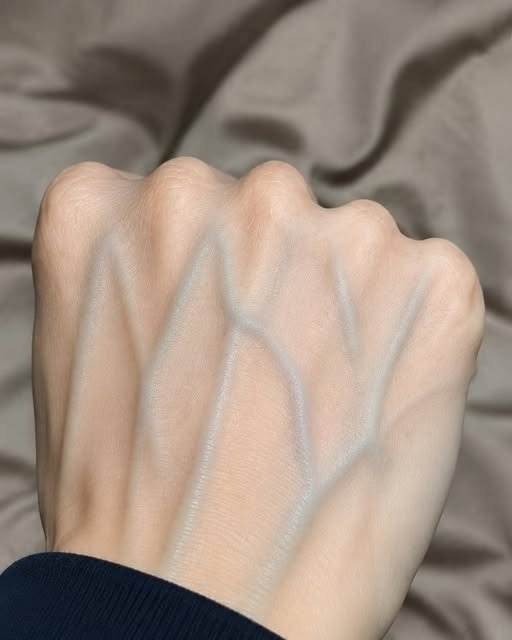
If Your Veins Are More Visible, Here’s What It Can Mean
Visible veins are often completely normal and, by themselves, don’t necessarily indicate a circulation problem. Their appearance can change with age, body composition, temperature, exercise, and genetics.
Common reasons
-
Thin or aging skin: Skin and the tissue beneath it become thinner with age, making superficial veins easier to see.
-
Exercise: Increased blood flow can temporarily make veins more prominent.
-
Warm temperatures: Heat causes blood vessels near the skin to widen.
-
Weight loss: Less tissue beneath the skin can make veins stand out.
-
Genetics: Some people naturally have more prominent superficial veins.
-
Varicose veins: Enlarged, twisted veins in the legs can result from weakened or poorly functioning vein valves.
When visible veins may need medical attention
See a healthcare professional if a vein becomes newly prominent and is accompanied by:
-
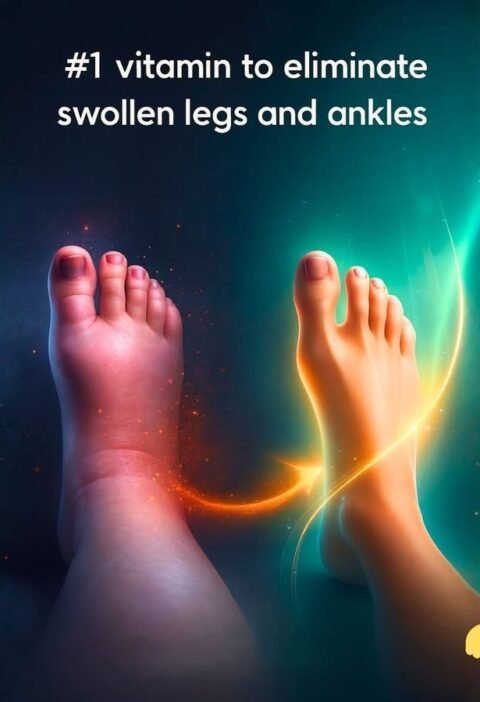
One-sided swelling of an arm or leg
-
Pain or tenderness
-
Redness or warmth
-
A hard, painful vein
-
Skin discoloration or ulcers
-
Sudden changes that don’t have an obvious explanation
🚨 Seek emergency care for sudden shortness of breath, chest pain, coughing up blood, or fainting—especially if you also have leg swelling or pain.
Bottom line: Prominent veins alone are usually not a warning sign. What matters is a sudden change, one-sided symptoms, or pain, swelling, warmth, or skin changes occurring with them.